The Bank of England Preview: Set to act in May once transition period is sealed in one day
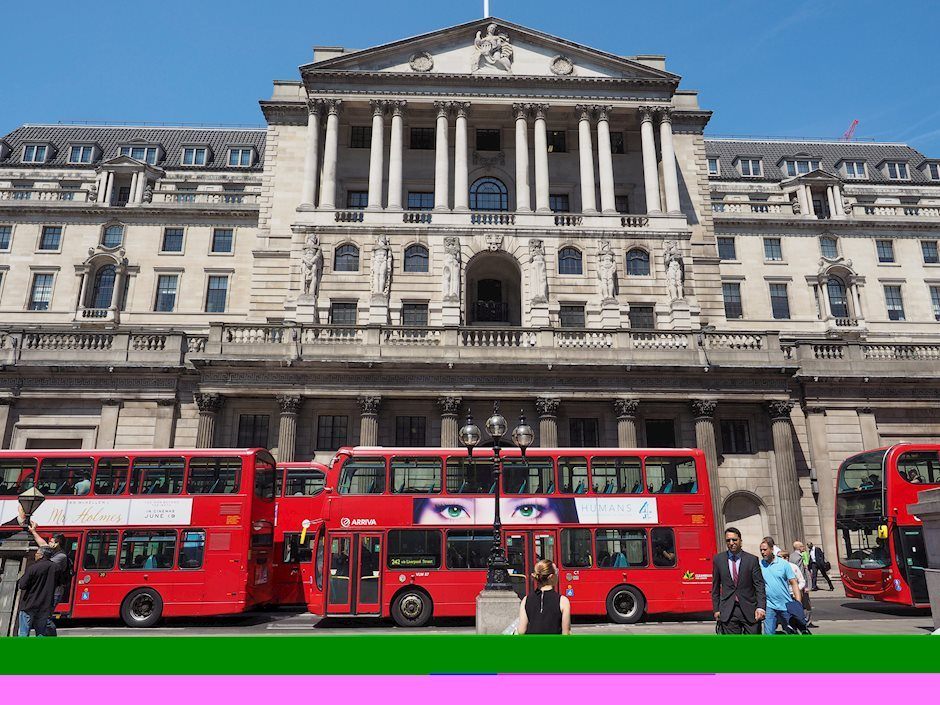

- Bank of England is widely expected to stay on hold with policy in March.
- Chances of May Bank rate hike increased with the UK negotiating transition deal with EU and the economy running at its inflationary limit of about 1.5%.
- Former Monetary Policy Committee doves are turning increasingly hawkish of late.
The Bank of England is likely to keep the Bank rate unchanged at its March meeting with the Monetary Policy Committee (MPC) member all expected to back the decision in a unanimous vote on March 22 at 12:00 GMT. After the MPC changed its forward guidance on rates at the beginning of this February, there is simply not enough of hard data since February Inflation Report to change the stance.
It is rather likely that the MPC members will want to opt for the re-affirming tone of the statement saying rates are going to go higher earlier and to a greater extent compared to last year’s expectations. Such monetary policy statement would then cement market expectations of a 25 basis points rate hike in May, once the Brexit-related uncertainty eases after the European summit scheduled for Thursday and Friday this week. The money market is currently pricing in about 80% probability of 25 basis point rate hike in May and another 25 basis point hike at the MPC meeting in November.
The March meeting of the MPC is not followed by the press conference of Governor Mark Carney that is the case of the Inflation Report published on a quarterly basis. Markets will have simply MPC meeting minutes and the Monetary policy summary to analyze with not much of the economic fundamentals changed since February meeting.
The inflation in the UK stabilized at lower levels compared to its cyclical high of 3.1% y/y from November last year and that is releasing some of the pressure from the Bank of England having to act to tackle its inflation target. Inflation has decelerated sharply in February rising 2.7% over the year only, after January and December increase of 3.0% y/y in a sign of Sterling’s depreciation negative impact on rising import prices is starting to fade away.
On the top of it the unemployment rate in the UK ticked down to 43-year low again in the three months to January period and the average weekly earnings including bonuses rose 2.8% y/y. Rising wages are good news for the economic outlook, although negative, inflation-adjusted wages still weigh on the UK consumers’ willingness to spend, lowering the growth outlook.
The unanimous voting pattern together with recent public speeches from the Bank of England official all stroke a bit more hawkish tone recently. Even ultra-dovish members like Gertjan Vlieghe and Bank’s Deputy Governor Sir David Ramsden seem to support a couple of rate hikes to stop the economy from running above its potential. Sir David Ramsden recently argued that productivity growth is so weak in the UK, that the economy runs an increased risk of exceeding the speed limit. With former dovish MPC members turning increasingly hawkish the likelihood of May rate hike raises, especially as the UK was able to negotiate the transition period until December 2020 with EU, easing the Brexit-related uncertainty. The European summit scheduled to convene this Thursday and Friday should formally seal the transition deal and probably bring some more Brexit positive headlines setting the stage for the Bank of England to act in May.
Author
Mario Blascak, PhD
Independent Analyst
Dr. Mário Blaščák worked in professional finance and banking for 15 years before moving to journalism. While working for Austrian and German banks, he specialized in covering markets and macroeconomics.