Pound lower as PM out in May?
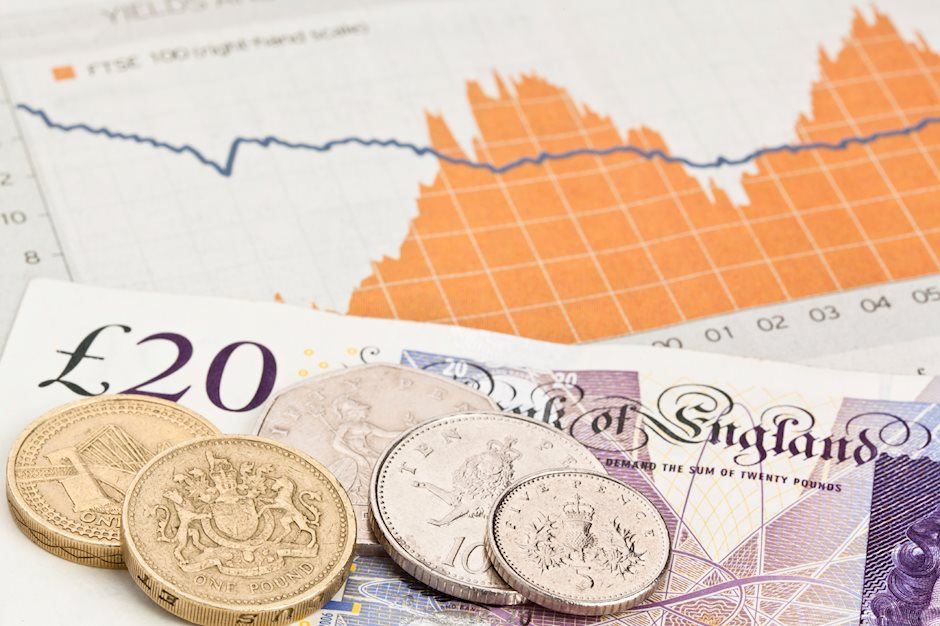

Global stocks plummeted on Thursday amid heightened concerns of a prolonged trade war. Investors fled from riskier assets, instead seeking refuge in safe havens. Gold climbed higher, along with the dollar and the yen.
Investors are repositioning themselves for what is now looking set to be a long draw trade war. With Trump now considering putting Huawei like sanctions on another Chinese technology firm, the trade dispute is quickly morphing into a technology Cold War. The prospect of a drawn out trade war and its potential impact on the global economy is sending a chill through the market. The trade sensitive Dax was hardest hit in Europe, down 1.8%. The FTSE closed down, 1.4% as weaker pound offered some support.
Pound lower as PM out in May?
The pound is on a record losing streak as investors brace themselves for a pro Brexit Prime Minister. Theresa May is still refusing to hand over the reins, but the judging by the price of the pound, traders are assuming it will be sooner rather than later. With cabinet ministers resigning, pressure on May to quit mounting and no future for her Brexit deal, the possibility of a disorderly Brexit has increased significantly. Should Theresa a May quit and pro-Brexit Boris Johnson replace her we could see the pound test 2016 lows.
What Do The European Parliamentary Elections Mean For The Euro?
The European Parliamentary elections begin today, and voting will continue until Sunday. Elections will be held in 28 countries across the European Union. 751 MEP’s will be elected. Over the next five years the elected Parliament will take decisions on Union issues such as border control, the EU’s future relationship with the UK, national autonomy among others. So far so good.
Previously the turnout for these elections has been low. However, this year’s elections could prove to be the most consequential in the bloc’s history, with a much higher turnout expected. As a result, the impact on the markets could be much greater than in previous years.
Why?
Over the past few years nationalist Eurosceptic movement has been gathering pace across Europe, populist party supporters have swelled in number. Polls are indicating that Eurosceptic parties could seize up to a third of the seats up for grabs in the European Parliament. This would mean that Eurosceptics could hold sufficient power to not just slow down legislation but potentially block it altogether. This in itself is not necessarily a big deal for the markets. The markets are more concerned about the largest economies in the eurozone Germany, France, Italy and Spain (not the UK as it is leaving and has the pound) and how they vote. Its only when we drill deeper into specific examples that the danger becomes apparent.
Case Study: Italy
One of the big concerns in Europe is Italy. Should populists gain more seats in the European parliament this could embolden Rome to push harder against European Commissions 2% limit on fiscal deficit. This could have negative consequences for the euro and could under mine stability in the sovereign debt market. In a worse case scenario this could start the ball rolling for eurozone debt crisis 2.0.
Author
Fiona Cincotta
CityIndex