BoE is planning to cut its rates soon
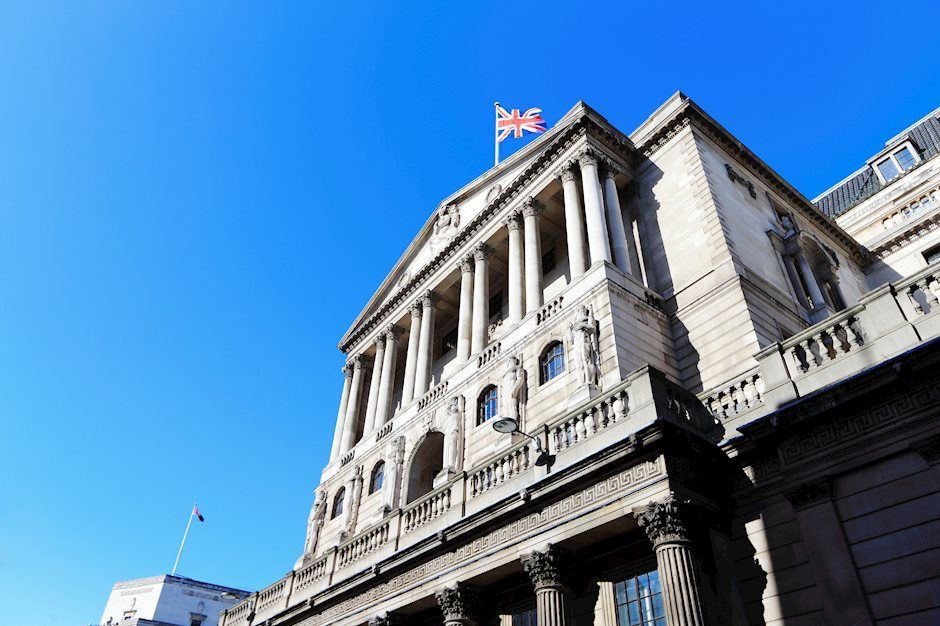

The title of yesterday’s report was: will the Bank of England (BoE) cut? And the answer is yes, it is planning to cut its rates soon. This – expected and concretized dovish shift – was the major takeaway from the BoE’s latest MPC meeting that took place yesterday. None of the 9 MPC members voted to hike the policy rate yesterday, 7 of them voted to maintain it, and 2 of them voted to cut – as Dave Ramsden opted for an immediate rate cut. And because the committee members has a track record of having followed his view in the past, Mr. Ramsden’s vote to cut has been taken as a very strong signal that the BoE will be cutting its rates soon.
How soon? Governor Bailey said that the June meeting ‘is neither ruled out nor a fait accompli’. We have two sets of inflation and labour data before the next decision, so the expectations will likely swing but in the wake of the BoE meeting, the market gives a 50% for a June cut, and an August cut is seen as a sure thing.
As a result, the FTSE 100 rallied to a fresh record yesterday and Cable sold off as a kneejerk reaction to the dovish shift in the BoE’s outlook, but rebounded strongly after the weekly jobless claims data from the US came in much stronger than expected. As such, a broad-based US dollar selloff that sent Cable above the 1.25 level despite a dovish BoE, the EURUSD is drilling above the top of its ytd descending channel and is preparing to test the 50 and 200-DMA to the upside, while the USDJPY remains bid against winds and tides.
If we summarize and give a structure to the FX outlook, the major currencies are operating in a three-speed environment. The Federal Reserve (Fed) can’t cut rates because inflation is stagnating – and worse, picking up momentum to the upside, the European Central Bank (ECB) and the BoE are convinced that inflation in their homes will continue to ease and the diverging inflation dynamics keep them on path to cut their rates this summer. The Bank of Japan (BoJ), on the other hand, doesn’t want to normalize policy. The Japanese have been traumatized by decades of deflation and can’t think properly anymore. So, the macro picture is supportive for a dollar appreciation, back a further depreciation in the euro and sterling against the dollar, and further yen weakness against all of them, with the risk of seeing BoJ step in time to time to slowdown the bleeding.
The S&P500 rallied yesterday and closed from a spitting distance from an ATH level because the stronger-than-expected weekly jobless claims suggested a tighter labour market and an economic slowdown that could bring the Fed to cut rates if inflation eases. And if inflation eases not, well, it is still interpreted as a good news, because then, the demand is strong enough to push prices higher. Yes, equities are winners in both cases. But there is also the stagflation scenario - where the Fed will have no option but to keep rates at higher levels for a longer period of time, praying that the inflation fever will eventually break. And that – stagflation – is the major risk to the US equity rally ahead of next week’s US inflation update.
Author
Ipek Ozkardeskaya
Swissquote Bank Ltd
Ipek Ozkardeskaya began her financial career in 2010 in the structured products desk of the Swiss Banque Cantonale Vaudoise. She worked in HSBC Private Bank in Geneva in relation to high and ultra-high-net-worth clients.

















