Central Bank policy to backstop risk
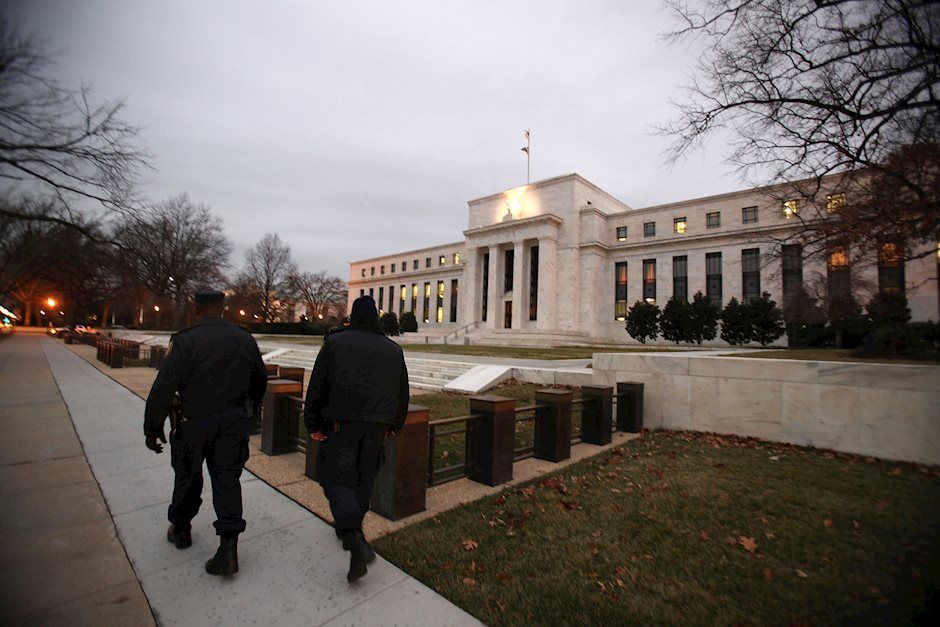

Last weekend’s attack on Saudi Arabian oil production generated a significant crude price spike. While the initial price's highs have moderated slightly crude prices remain elevated. Not lost on the pessimistic fringe is that most recession in the last 50 years has been preceded by oil price increases. The market bears have been waiting for a geopolitical trigger that would tip markets over the edge. While the size of the price spike was not large enough in itself to cause alarm, it does remind us how vulnerable markets are to geopolitical threats. Trade conflicts remain the greatest geopolitical threat and is slowly dragging the global economy lower. Uncertainty due to among many, US-China trade war and effect of Brexit on UK-EU trade has damaged business sentiment, halted investment and slowed manufacturing globally. Yet, our constructive view is based on the central bank monetary response, which has become a rigid backstop for risk.
Stay on top of the markets with Swissquote’s News & Analysis
Last week the FOMC reduced their target range for the federal fund rates by an additional 25bp to 1.75%-2.00%. The updated Summary of Economic Projections (SEP) exposed a median policy rate forecast with no extra rate cuts from the current level over 2019-20 and a measured upward rise to the longer-term estimate of 2.5% over 2021-22. However, member forecasts indicated divergence within the Committee, as seven members wanted 25bp rate cut this year, yet 10 members do not currently expect more easing. The direction of the incoming data will be critical. Currently, the US data is pointing to a slowdown in more than a recession in our view. In the US, a recession general is a private sector phenomenon and the private sector is healthy. Household and corporates are both running a surplus. With Fed easing debt servicing for household and business will further be reduced. The only threat would be an absolute in confidence perhaps driven by the trade war or political discourse. We doubt in the US political shock materializing into economic weakness (more likely the opposite). Elsewhere, 16 central banks have cut rates this quarter. The ECB provides broad-based easing measures while the BoJ remained on hold but become more dovish. The net result is enough negative indicators to force central banks to react to geopolitical threats. Yet currently these dynamics won't actual trigger a broad recession. Gold prices are steady a $1520, as investors remained on the sidelines ahead of details on U.S.-China trade talks, yet rising tensions in the Middle East delivered demand.
Author
Peter A Rosenstreich
Swissquote Bank Ltd
Peter Rosenstreich is Swissquote Bank’s Head of Market Strategy and manages the global strategy desk; he has held various positions in several banking institutions in the United States, Europe & Asia.

















