|

Biden’s wealth tax and renewable energy plan moving markets

The Biden Administration has released details on two market shifting plans within 24 hours. 

The first is a pledge by the US to slash its greenhouse gas emissions by up to 52% before we hit 2030. Alongside its domestic effort, the administration will be launching an International Climate Finance Plan to aid the worlds effort to cut emissions. Altogether, known as The US International Climate Finance Plan will overlap with the proposed US$2 trillion infrastructure and jobs spend-up announced by the Biden administration in March.

The clean energy sector is expected to benefit from the reinvigorated push to decarbonize much of the US economy. US and global clean energy indices and ESGs are yet to completely embrace a bullish sentiment in reaction. iShares Global Clean Energy ETF is up 2.43% over Thursday trading, but others have been slower to react. It would be hard to argue against the long-term bullishness of the sector.  
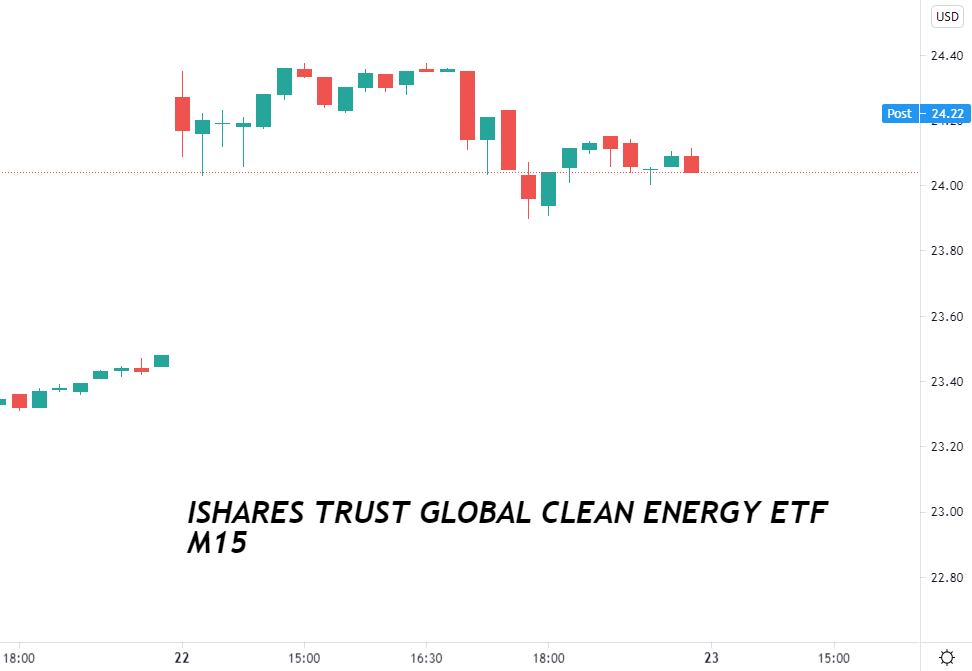
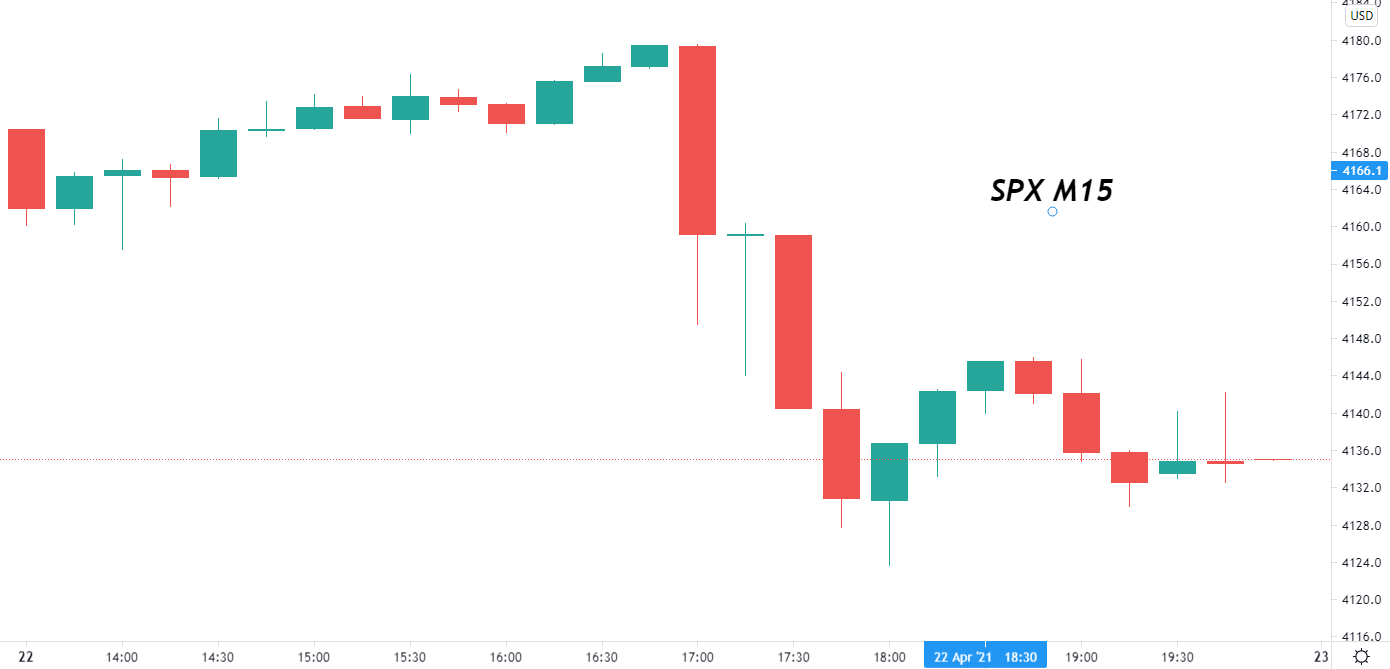
Any bullishness in the cleantech sector has not been enough to overcome the bearishness over the whole US market on Thursday. All the major indices have fallen, with the likely cause being the second announcement detailed next.

Breaking news: The second announcement is a planned hike in the Capital Gains Tax for the wealthy. The new proposed rate is double the current rate and will boost funding for childcare and education.

The US markets on Thursday had an immediate adverse reaction to the announcement. Investor threw their toys out of the crib and tanked the major US indices. The S&P, for instance, dropped −0.92% over Thursday trading.
It will be interesting to see how the APAC markets open today in reaction. Most of the APAC markets ended in green yesterday, so a day’s buffer is there to be lost in any case.

Author

Mark O’Donnell

Mark O’Donnell

Blackbull Markets Limited

Mark O’Donnell is a Research Analyst with BlackBull Markets in Auckland, New Zealand.

More from Mark O’Donnell
Share:

Editor's Picks

AUD/USD holds above 0.6950 as bullish USD caps gains

AUD/USD edges lower during the Asian session on Tuesday, stalling a two-day recovery move from a two-month low, touched last week. An extended rout in the fixed income market keeps US bond yields elevated near multi-year highs. This, along with geopolitical uncertainties, helps the US Dollar retain its bullish tone despite receding October Fed hike bets. However, expectations for another RBA rate hike this month could act as a tailwind for the Aussie.

USD/JPY remains confined in a range; 158.00 holds the key

USD/JPY extends its consolidative move during the Asian session on Tuesday, trading below 158.00 amid diverging forces. Hawkish BoJ expectations support the Japanese Yen amid looming intervention risks. Meanwhile, geopolitical uncertainty and elevated US bond yields keep the US Dollar near its YTD high despite receding October Fed hike bets. This, in turn, holds back traders from placing aggressive directional bets.

Gold holds steady below $4,150 as receding Fed hike bets lend support

Gold continues its struggle to gain any meaningful traction, holding steady below $4,150 during the Asian session on Tuesday. Receding October Fed hike bets act as a tailwind for the non-yielding bullion, though a bullish US Dollar caps the upside. Furthermore, traders await the release of the FOMC Minutes on Wednesday for more cues about the future policy path and some meaningful impetus.

Ethereum: BitMine scoops extra ETH tokens following Q3 outperformance
Ethereum (ETH) treasury firm BitMine Immersion continued its buying streak of the top altcoin last week. The firm acquired 15,112 ETH, lifting its holdings to 6.016 million ETH, representing 4.9% of ETH's circulating supply and worth $16.16 billion at the time of writing. That brings the company roughly 98.5% closer to acquiring 5% of ETH's supply, a goal it tags "Alchemy of 5%."
Markets just priced out rate hikes on financial stress. This chart shows why 2022-23 says they’ll be wrong

Traders have taken about one quarter-point hike out of their European Central Bank forecasts since mid-September, betting the ECB will stop raising rates because of a French debt selloff. The same bet failed twice in 2022 and 2023, when the ECB kept raising rates through financial stress because inflation was above its 2% target. Euro-area inflation came in at 3.8% in September.

Eurozone inflation just hit 3.8%, its highest in three years. This chart shows why the ECB can’t simply hike its way out

The ECB would normally have a relatively straightforward answer to inflation running almost twice its target: raise interest rates. But these are not normal circumstances. This time, the bond market is already doing part of the tightening for it, leaving the ECB facing an increasingly difficult dilemma.