Asia open: Central banks seem itching to cut
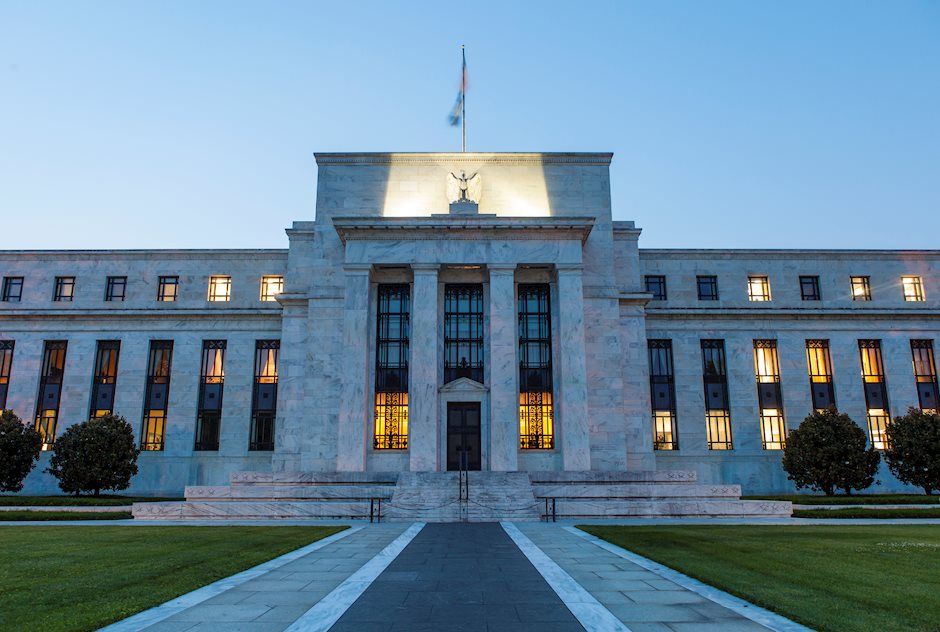

The active central bank agenda this week provided significant support for stock market bulls, particularly with the Federal Reserve opting for a dovish stance and the surprise rate cut by the Swiss National Bank, hinting at potential easing measures by other central banks later this year.
Still, equities in Asia appear poised for a mixed opening on Friday, with the stronger US dollar indicating that investors are reassessing the optimism that drove the region's shares higher in the previous session. This shift comes as new indications of ongoing inflation emerge in the US.
US economic data released on Thursday bolstered the argument that the Federal Reserve may need to reconsider its forecasts for interest rate reductions. Just a day after the central bank signalled three 25-basis-point cuts in 2024, housing, manufacturing, and labour-market data from the US indicated a resilient economy. This could potentially lead the Fed to implement interest rate cuts slower than the market anticipates.
Following record highs in Tokyo and Taiwan stocks on Thursday, the question for Asia now is whether investors will come up for air or continue to push for even higher highs across global indexes.
Investors and economists are divided on whether the Bank of Japan (BOJ) has concluded its interest rate hikes for the year or if further moves are on the horizon. Governor Ueda suggested that if inflation exceeds expectations, the possibility of another rate hike remains. A crucial factor in this decision will be the trajectory of consumption.
Should consumption rebound, it would provide a favourable backdrop for the BOJ to consider additional rate hikes. The central bank could argue that robust domestic demand drives sustainable inflation, fueled by wage increases. Conversely, if consumption fails to recover despite wage growth, the economy may lose momentum, complicating the BOJ's justification for further rate hikes.
Thursday's notable event unfolded in Switzerland, as the Swiss National Bank (SNB) unexpectedly reduced its main interest rate by 25 basis points to 1.50%. This surprise move led to a weakening of the Swiss franc and provided support to the dollar.
During their respective June meetings, market expectations are aligned with anticipated rate cuts by the Federal Reserve and the European Central Bank (ECB).
Author
Stephen Innes
SPI Asset Management
With more than 25 years of experience, Stephen has a deep-seated knowledge of G10 and Asian currency markets as well as precious metal and oil markets.

















