WTI: Under pressure, OPEC cuts 2020 demand forecasts, US dollar on a tear
- OPEC reduced its forecast for 2020 crude demand by 2.23 million barrels a day.
- US dollar spikes on Fed's Powell reminding markets negative rates are not on the cards.
- WTI falls into negative territory towards lows for the week.
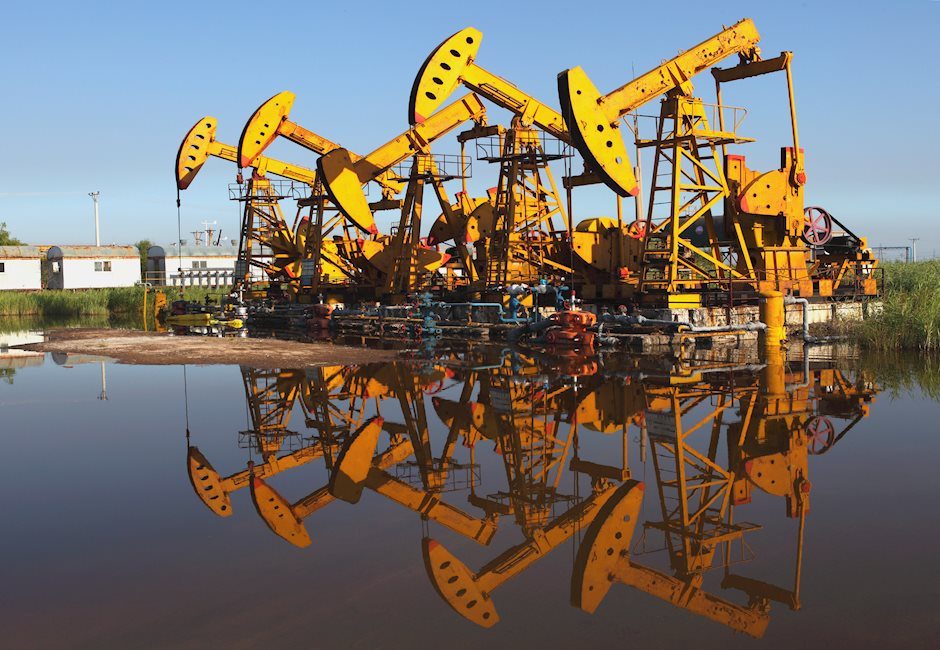

The price of a barrel of oil mid-week has dropped -0.93% from a high of $26.94 bbls to a low of $25.27 bbls in West Texas Intermediate crude. However, it has not all been one-way traffic as investors presume that the fact oil demand is plummeting, the Organization of the Petroleum Exporting Countries (OPEC) will have to do more to stabalise prices.
WTI was exceeding yesterday's highs at one earlier point in the day. Yesterday, oil futures finished at a five-week high on expectations that falling production levels, as well as gradual demand in nations seeking to open their economies up from several weeks of lockdown, would support higher prices going forward. However, with a combination of a tear in the US dollar pertaining to Federal Reserve Jerome Powell's comments sinking in as well as OPEC further cutting its forecast for global oil demand in 2020, oil prices were once again back in the red.
OPEC reduced its forecast for 2020 crude demand
In its monthly report, OPEC reduced its forecast for 2020 crude demand by 2.23 million barrels a day from its April projection, now expecting oil demand to drop by 9.07 million barrels a day this year. What has also rattled the market is the revision of non-OPEC liquids production down by a "huge" 2 million barrels a day from its previous assessment.
A 3.5 million barrel a day decline in non-OPEC production to an average 61.5 million barrels a day in 2020 is a major hit for the market, for both upstream and downstream participants, especially in Noth America. However, the outlook and forecasts were made for worldwide production, including Canada (300,000 barrels a day), Brazil (100,000 barrels a day).
China should pay for its role in spreading the coronavirus - Navarro
Meanwhile, trade wars are back on the table and there is no telling how severe the global downturn will be, as this narrative could not have come at a worse time for the world's financial and commodity markets. OPEC might not have factored in a deeper downturn into its recent forecasts. At the start of this week, White House trade adviser Peter Navarro said China should pay for its role in spreading the coronavirus.
A bill has to come due for China,
– Navarro told CNBC.
“They inflicted tremendous damage on the world which is still ongoing,” Navarro said, and even suggested that the US could impose new tariffs or to walk away altogether from the phase one deal that had put a milestone down within a bitter 18-month battle between the world's two largest economies and roiled markets.
All FOMC members against negative rates
Meanwhile, Fed's Powell's comments fueled a spike in the US dollar on Wednesday, further adding to the bearish case for AUD/USD. Powell noted that the FOMC's view on negative rates has not changed and reiterated that it's not something the Fed is looking at.
"The Fed intends to continue using tools it has already tried," Powell said in answer to questions at an event organized by the Peterson Institue for International Economics.
Previous minutes on negative rates debate says all FOMC participants were against them.
WTI levels
Author
Ross J Burland
FXStreet
Ross J Burland, born in England, UK, is a sportsman at heart. He played Rugby and Judo for his county, Kent and the South East of England Rugby team.