|

Uk election Polls: GBP/USD remains sensitive to every survey

The countdown to December 12 and the UK election – polls may be tricky

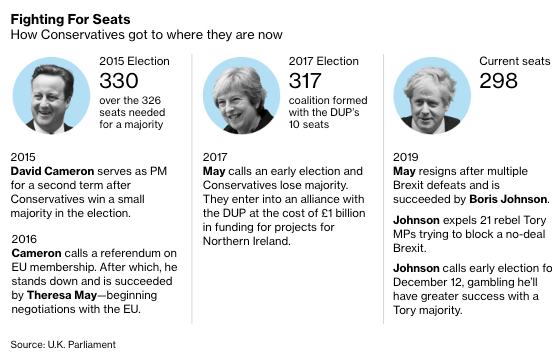
In 2016 David Cameron called an EU referendum which he hoped the British people would vote to stay in the EU. The result was a shock defeat for David Cameron and he stepped down to make way for Theresa May.
UK Election Polls

In 2017 Theresa May called an early election in order to capitalize on the Tory Party being ahead in the plots and secure a larger majority in Parliament. The plan failed miserably and Theresa May could only control a majority after striking a £1bln deal with Northern Ireland's DUP.

So, this takes us to the third roll of the dice with Boris Johnson. An early election is called for December 12 in which is the first December election in nearly a century. Read more...


GBP/USD Forecast: Going nowhere in a hurry

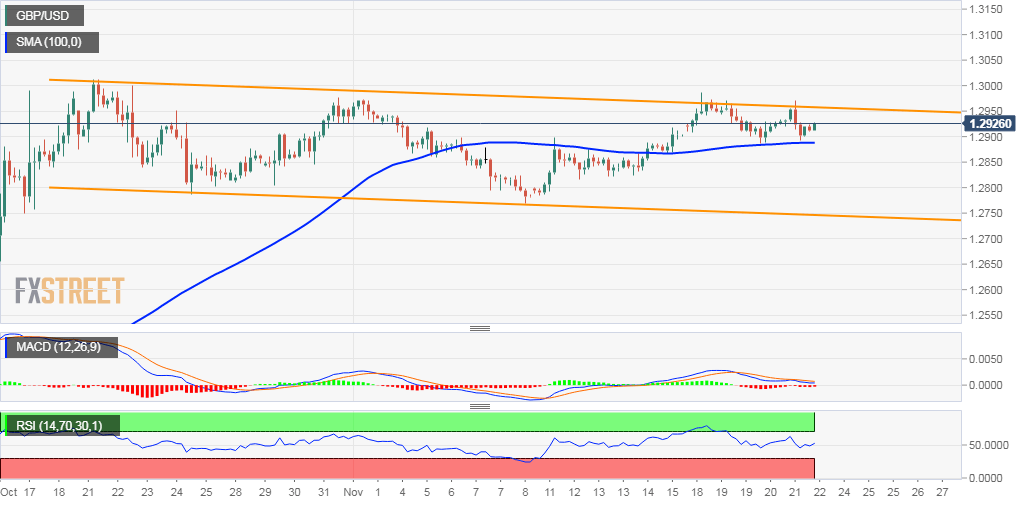
The GBP/USD pair on Thursday initially edged higher and moved back closer to weekly tops, albeit failed to capitalize on the momentum. In a series of UK election polls, the latest Ipsos MORI's poll showed that the UK Prime Minister Boris Johnson's Conservative Party has gained three points to take its lead to 44% and turned out to be one of the key factors that provided a minor boost to the British pound. 

Meanwhile, the support for the Labour Party also rose four points to 28%, while support for the Liberal Democrats and Nigel Farage's Brexit Party dropped four points each to 16% and 3% respectively. Read more...
gbp/usd forecast chart

Author

Yohay Elam

Yohay Elam

FXStreet

Yohay is in Forex since 2008 when he founded Forex Crunch, a blog crafted in his free time that turned into a fully-fledged currency website later sold to Finixio.


More from Yohay Elam
Share:

Editor's Picks

AUD/USD bulls regain control above 0.6950 amid USD retreat

AUD/USD regains traction and extends the previous day's bounce from the weekly low, aiming for 0.7000 in Asia on Friday. The overnight pullback in US bond yields keeps the US Dollar below an 18-month high, which in turn offers some support to the pair. Meanwhile, hawkish RBA expectations also keep the major underpinned.

USD/JPY holds gains near 158.00 after Japan's weak Household Spending data

USD/JPY clings to gains around 158.00 after data showed on Friday that Japan's Household Spending fell for the ninth straight month, undermining the Japanese Yen. Meanwhile, the US Dollar remains depressed as the overnight fall in US bond yields counters a hawkish Fed and geopolitical uncertainties, could cap any downside in the pair.

Gold remains range-bound below $4,200

Gold has given up some ground after an initial bullish attempt to reach weekly highs, returning to below the $4,200 mark per troy ounce on Friday. The US Dollar’s strong upside momentum, combined with rising US Treasury yields across the curve, seems to keep further gains in the yellow metal under scrutiny.

Has Bitcoin really escaped the macro forces it was built to fight?
Over 17 years ago, Satoshi Nakamoto designed Bitcoin (BTC) on the back of a global financial crisis as an alternative to the global monetary system outside the control of central banks, governments and traditional intermediaries. This raises a key question: has Bitcoin really become independent of the macroeconomic forces it was built to challenge?
The Euro is not the sick man of Europe. France's bond market is
EUR/USD remains under pressure, near the 17-month low of 1.1161 reached on Monday. The pair has lost more than 7% since its yearly peak, as concerns over France's public finances increasingly weigh on the single currency. But behind the weakness of the Euro (EUR), the problem does not necessarily lie with the European economy as a whole.
Has Bitcoin really escaped the macro forces it was built to fight?
Over 17 years ago, Satoshi Nakamoto designed Bitcoin (BTC) on the back of a global financial crisis as an alternative to the global monetary system outside the control of central banks, governments and traditional intermediaries. This raises a key question: has Bitcoin really become independent of the macroeconomic forces it was built to challenge?














