RBA: When doves cry? - Westpac
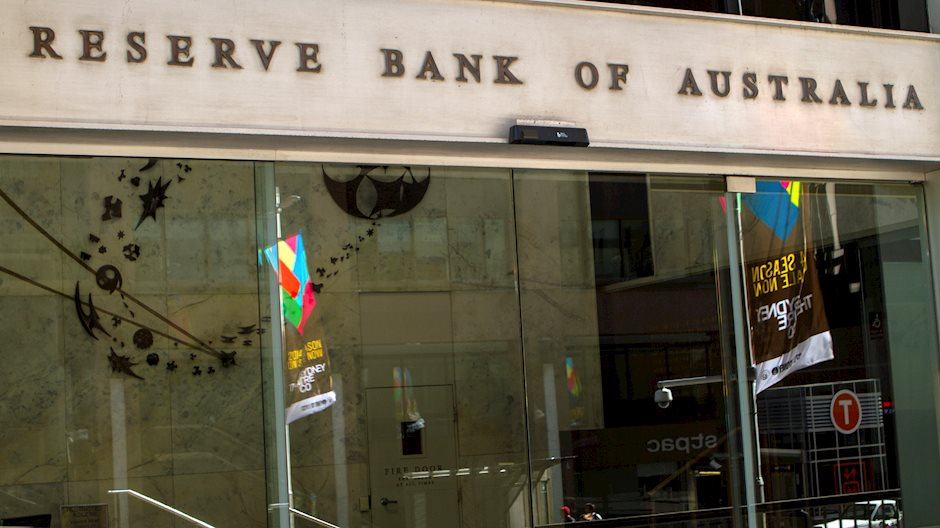

David Goodman, Research Analyst at Westpac, suggest that price action in recent months has seen AUD rallying and AU fixed income underperforming as markets began to price in a more optimistic outlook for the Australian economy and thus a more hawkish RBA.
Key Quotes
“At the same time markets priced in a more pessimistic outlook for Fed hikes in response to persistently sluggish US inflation and ongoing political travails.”
“Essentially markets moved further away from our long-held Economics house view of an RBA firmly on hold this year and next and three Fed hikes by Dec-18.”
“At the same time, there has been a confluence of macro factors that have also contributed:
- Broad USD weakness – in response to the Fed outlook as well as debt ceiling travails and related political concerns clouding potential fiscal reforms;
- Geopolitical concerns focussed on North Korea driving a bond bid;
- RBA discussion of neutral rates in July minutes (although this has been repeatedly downplayed as having any near-term policy significance by officials); and
- BoC hiking rates in July and September, with the most recent hike seeing some draw parallels between the commodity reliant (and consumer indebted) Australian and Canadian economies.”
“This has pushed AUD to the top of our fair value model range.”
“Now, much of this has been driven by firmer commodity prices and interest rate differentials, but as shown below, the largest contributor of the AUD move has actually been from other factors and primarily the weaker USD trend which has dominated markets over the last quarter.”
“So just as markets moved away from our view over recent months, are they about to return?
- We believe there is a fair chance we are about to embark on another hawkish swoon as the focus globally returns to central bank normalisation. We saw this in July when BoC first tightened, and Draghi gave his more upbeat Sintra speech, but the forces of carry returned over European summer.
- Fast forward a few months, and now we have seen BoC tighten again, BoE deliver a hawkish hold overnight with rhetoric suggesting “some withdrawal of monetary stimulus is likely to be appropriate over the coming months” and of course Fed balance sheet normalisation likely to commence next week as well as ECB to announce tapering plans in coming months.
- Add to this last night’s US CPI print, which showed a bounce, and some glimmers of hope regarding Trump’s tax plans and we could well see markets again pricing in a more hawkish path from the Fed. While September’s projections and “dots” may migrate in a dovish direction, and uncertainty remains high, we maintain that the Fed will continue gradual rate normalisation over 2018 given full employment; strong job growth; and their expectation that inflation will firm to target.
- Domestically, optimism has been supported by recent labour market outcomes and an upbeat business outlook. This has also been supported by recent run of robust commodity prices. Ultimately however, we still think the overarching forces of a pessimistic consumer and weak wages growth will restrain consumer spending and keep inflation subdued. At the same time, it is worth noting the technical factors which are likely to weigh on inflation prints through 2018.
- Together with an expected moderation in commodity prices, this should see AU-US expected cash rate differentials narrow and the AUD weaker into year-end. With front end pricing to move in a more supportive direction, AU-US 10 year spread should also narrow. While the price action in that spread has been dreadful recently (from a narrowing perspective), we continue to believe on a medium term basis that these levels represent value within the context of a gradually rising global yield backdrop.”
Author
Sandeep Kanihama
FXStreet Contributor
Sandeep Kanihama is an FX Editor and Analyst with FXstreet having principally focus area on Asia and European markets with commodity, currency and equities coverage. He is stationed in the Indian capital city of Delhi.

















