No. of S. African Covid cases surge, but patients need less medial intervention
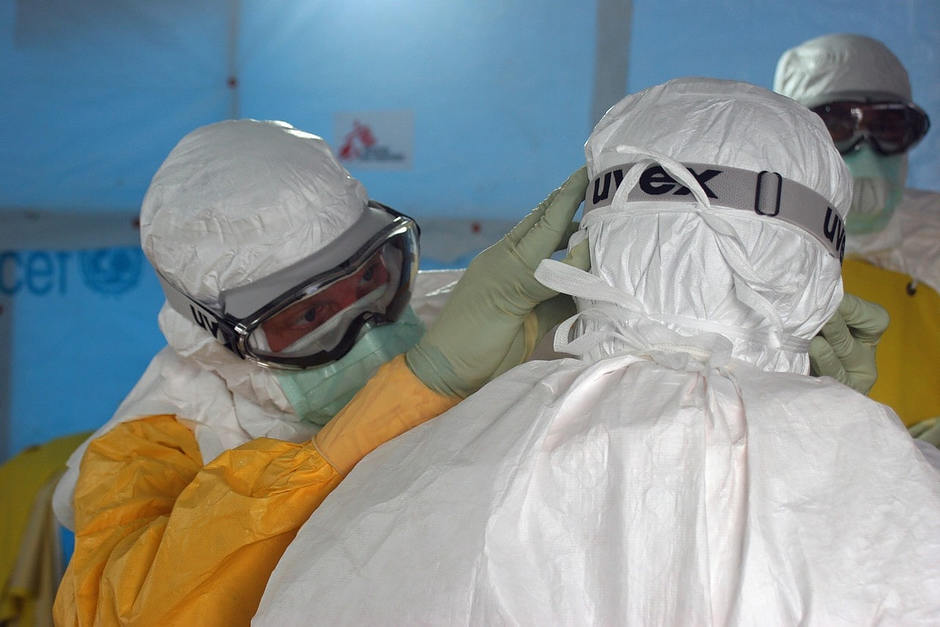

The new coronavirus variant Omicron has now become dominant in South Africa and is driving a sharp increase in new infections, health officials say. However, Bloomberg reported today that 'initial data from a major hospital complex in South Africa’s omicron epicentre show that while Covid case numbers have surged, patients need less medical intervention.''
Meanwhile, Omicron has now been detected in at least 24 countries around the world, according to the World Health Organization (WHO).
According to the BBC, ''Those who have already had other variants of coronavirus do not appear to be protected against Omicron but vaccines are still believed to protect against severe disease, according to top scientists from the global health body and South Africa's National Institute for Communicable Diseases (NICD).''
The full picture in South Africa will not become clear until "people get so sick that they need to go to hospital" which is generally "three, four weeks later," says Prof Salim Abdool Karim of the Africa Task Force for Coronavirus.
"But the feedback we're getting from the ground is that there's really no red flags - we're not seeing anything dramatically different, what we're seeing is what we are used to," he told the BBC's Newsday programme.
Additionally, Reuters in Johannesburg has reported that ''higher hospital admissions among children during the fourth wave of COVID-19 infections in South Africa that has been driven by the Omicron coronavirus variant should not prompt panic as infections have been mild, a health official said on Saturday.''
''Ntsakisi Maluleke, a public health specialist in the Gauteng province that includes Tshwane and the biggest city Johannesburg, told Reuters that out of the 1,511 COVID-positive patients in hospitals in the province 113 were under 9 years old, a greater proportion than during previous waves of infection.
"We are comforted by clinicians' reports that the children have mild disease," she said in an interview, adding health officials and scientists were investigating what was driving increased admissions in younger ages and were hoping to provide more clarity within two weeks.''
"The public needs to be less fearful but vigilant," she said. Despite a recent influx of admissions, Gauteng's dedicated COVID-19 bed occupancy was still only around 13%, Maluleke said.
Reuters also referred to an article by the South African Medical Research Council based on early observations at the Steve Biko/Tshwane District Hospital Complex in Pretoria over the last two weeks that contained reassuring signs.
The majority of patients in the COVID wards at the hospital complex were not oxygen-dependent and were "incidental COVID admissions," having another reason for admission, the article said.
"This is a picture that has not been seen in previous waves. In the beginning of all three previous waves and throughout the course of these waves, there has always only been a sprinkling of patients on room air in the COVID ward," it said.
Market implications
This is good news that could lead to the relaxation of covid social distancing rules that have since been imposed in response to the fears of the new variant's contagion and unknown severity of the illness.
With that being said, markets will likely be on edge each time there is the first news of a new mutation. However, they will recall not to react too suddenly next time around.
Vaccines and herd immunity could come sooner considering the emphasis nations have put on getting their population fully vaccinated in response to the new variant.
Author
Ross J Burland
FXStreet
Ross J Burland, born in England, UK, is a sportsman at heart. He played Rugby and Judo for his county, Kent and the South East of England Rugby team.