|

GME Stock News: GameStop Corp edges higher as SEC readies meme saga report

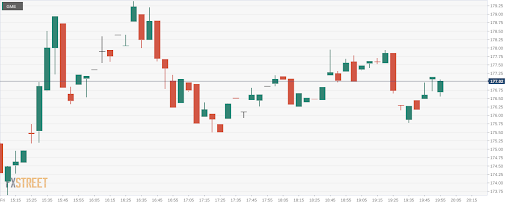
  • NYSE:GME gained 0.82% on Friday during October’s first trading session.
  • The SEC is getting ready to release its report on the short squeeze saga.
  • A new survey shows that retail investors have no clue about stock research.

NYSE:GME is once again at the center of headlines on Wall Street, but this time the stock price has been mostly unaffected. In fact, since its last small surge in June alongside AMC (NYSE:AMC), GameStop largely hasn’t been acting like a meme stock at all. This could have to do with the stock being added to the Russell 1000 small-cap index back at the end of June. On Friday, to kick off the fourth quarter of 2021, shares of GameStop gained 0.82% and closed the session at $176.91. GameStop shareholders are ready to put September behind them as the stock lost over 17% during the past month.


Stay up to speed with hot stocks' news!


The short squeeze saga from January simply will not go away, but thankfully for shareholders, GameStop shares aren’t paying the price this time. The SEC is preparing to release its report on the meme stock saga, and the results could forever change the way brokerages, market makers, and investors interact with each other. At the top of the list of things that will be addressed is the gamification of investing with zero-dollar fees for trades, payment for order flow, and short selling disclosures. 

GME stock forecast
A recent Survey Monkey survey has some shocking and revealing data about how retail investors are approaching the stock market. Nearly 40% of investors who started trading in 2020 or later, rely on social media platforms like Twitter (NYSE:TWTR) or Reddit to choose which stocks to buy. This is compared to only 12% of people who started investing before 2019. It seems as though the meme stock phenomenon has super charged investor reliance on discussion forums, rather than through individual research. 

Author

More from Stocks Reporter
Share:

Editor's Picks

British Pound eases to 1.3450 area following downwardly revised Manufacturing PMI data

The British Pound is trimming previous gains against the US Dollar on Monday, returning to the mid-range of the 1.3400s down from fresh seven-week highs, above 1.3500 earlier on the day. Weaker-than-expected UK manufacturing data added pressure on the Pound, which rallied at the Asian session opening, amid news of a halt to the hostilities in Iran.

EUR/USD remains under pressure; looks at 1.1500 on firm US ISM

EUR/USD now accelerates its downtrend and trades in the low 1.1500s on the back of the marginal improvement in the US Dollar, all in the wake of solid US ISM Manufacturing data on Wednesday. The Greenback, in the meantime, remains far from a sustainable rebound in the current context of cooling geopolitical tensions.

Gold remains supported near $4,000

Gold adds to Friday’s pullback, although it remains well underpinned by the key $4,000 threshold per troy ounce on Monday. The US Dollar’s inconclusive price action seems enough to cap the yellow metal’s potential upside, although renewed hopes for a US-Iran peace deal and fading expectations of a Fed rate hike could limit the Greenback’s recovery.

Week ahead: US payrolls report and AI earnings to keep investors on edge

After the Fed decision, NFP report awaited for more rate hike clues. Employment also on the agenda in Canada and New Zealand. Chinese trade and Japanese wage data to be watched too. But Iran and AI headlines to remain in driver’s seat for risk sentiment.

The Bitcoin futures yield collapse: Once over 20%, now less than Treasury notes
Once a goldmine for carry traders, Bitcoin futures have flipped, consistently underperforming plain‑vanilla U.S. Treasuries every month since February. Carry trades consistently yielded 20% or more across regulated and unregulated crypto exchanges during the 2021 bull market. The strategy involved shorting Bitcoin futures while simultaneously buying a spot exchange-traded fund (ETF).
9-3: Is the Federal Reserve’s vote tally Warsh's new forward guidance?
The rate did not move. Neither did the statement, and that’s the more interesting fact. Set the July 29 Federal Open Market Committee (FOMC) statement beside the one issued on June 17, and the two documents are identical apart from a single verb and a paragraph at the bottom naming three dissenters.














