Germany: Nine more days – ING
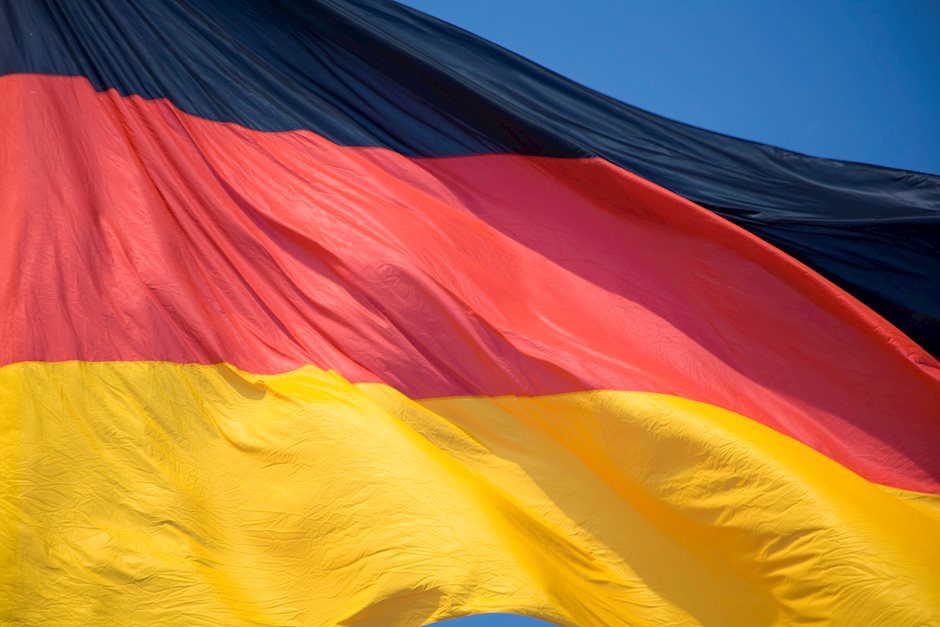

With less than 10 days to go, the election campaign is coming to a close and latest polls suggest complicated coalition talks, according to Carsten Brzeski, Chief Economist at ING.
Key Quotes
“After the one-and-only live debate between Angela Merkel and challenger Martin Schulz at the beginning of September, this week German public television presented both candidates in two separate individual formats. Martin Schulz on Tuesday and Angela Merkel on Thursday both had to answer questions from the audience in a 90-minute live tv debate. It was the last time for German voters to have a closer look at both candidates.”
“In short, the tv shows allowed both Merkel and Schulz to demonstrate much more detailed knowledge on a broader range of topics than during the live debate. While Martin Schulz tried to position himself as a politician with lots of social empathy and close contact to the “ordinary” citizens, Angela Merkel tried to sharpen her reputation as a pragmatic problem-solver.”
“Whether either Merkel or Schulz could exploit their last big tv appearances in more electorate support seems unlikely. While the live debate between the two had more than 16 million viewers, Schulz’s appearance on Tuesday only had some 3 million viewers. Merkel’s appearance yesterday will probably have not had much more viewers. In our view, there was only one newsworthy item from the two shows. Last night, Angela Merkel confirmed that her intention was to serve an entire fourth term as chancellor (if she was elected).”
“Turning to the latest polls, Martin Schulz’s SPD has lost further ground against Merkel’s CDU. According to a poll by Infratest dimap released yesterday, the CDU currently stands at 37%, while the SPD dropped to an historical all-time-low of 20%. The AfD would currently be the third largest party in the next German parliament with 12%. The FDP would come in at 9.5%, the Left Party at 9% and the Greens at 7.5%. According to the poll, around 40% of the voters are still undecided.”
“With such an outcome, coalition building would be anything but easy. The only two-partyoption would be a continuation of the current grand coalition of CDU and SPD. This is an option that in particular the SPD voters are not convinced of. Currently some 50% of the SPD voters say they are against a new edition of the current government coalition. An interesting side effect of another grand coalition – in case the current polls will be confirmed – would be that the AfD would become the main opposition leader. The only other alternative – if Election Day would confirm the current polls – would be a coalition of CDU, FDP and Greens. A coalition, the Germans have labelled as Jamaica coalition due to the associated party colours (black, yellow, green). With these potential results on Election Day, even a minority government of the CDU without any coalition partners should no longer be excluded.”
“From today, it is only nine more days before the election campaign comes to a close. Contrary to other recent experiences, the German election campaign seems to remain calm and unexcited until the very last day. Nevertheless, coalition building could become much more complicated than many think.”
Author
Sandeep Kanihama
FXStreet Contributor
Sandeep Kanihama is an FX Editor and Analyst with FXstreet having principally focus area on Asia and European markets with commodity, currency and equities coverage. He is stationed in the Indian capital city of Delhi.