Fed's Williams: Expects Omicron wave to temporarily prolong supply chain bottlenecks
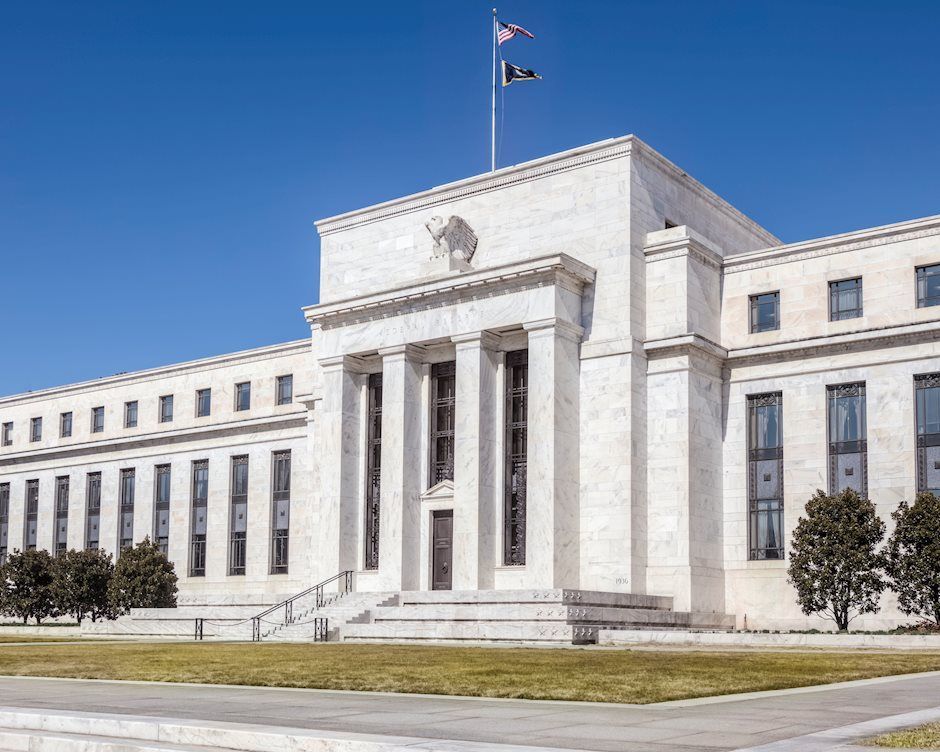

Federal Reserve Bank of New York President John Williams said on Friday that he expects the Omicron wave to temporarily prolong and intensify labour supply challenges and supply-chain bottlenecks. He also expects the wave to slow growth in the next few months as people once again pull back from contact-intensive activities.
Additional Remarks:
"The economy should return to a solid growth trajectory and supply constraints should ebb after Omicron subsides."
"Expects real GDP to increase around 3.5% this year."
"Expects the unemployment rate will continue to come down further to 3.5% this year."
"Expects inflation to drop to around 2.5% this year, much closer to the FOMC’s 2% longer-run goal."
"Expects inflation to get close to 2% in 2023."
"The next step in reducing monetary accommodation will be to gradually bring the target range for Fed funds rate back to more normal levels."
"The timing of such decisions will be based on a wide range of data and information, with a clear eye on Fed's maximum employment and price stability goals."
"Inflation is too high and the Fed would not want to see it persist at high levels."
"The economy is very close or near to maximum employment."
"The Fed needs to bring inflation down."
"A lot of the factors driving inflation are still related to pandemic effects."
"High shipping costs are due to imbalances and those will be resolved."
"There is a lot of uncertainty about the inflation outlook."
"The Fed is committed to achieving 2% inflation over time."
"The Fed is data dependant and driven by analysis."
"Some supply chain issues are more persistent than he initially thought."
"The drivers of inflation have been more persistent."
"That's why some people expect inflation to be higher this year than previously thought."
"As the data changed and drivers of inflation changed the fed had to move policy consistent with that."
"He doesn't know exactly what the path of the fed funds rate will be this year because it will be driven by data."
"The Fed forecast seeing rate increases this year is completely sensible."
"It makes sense to continue this process of removing accommodation."
"The Fed can control short-term interest rates through various tools."
"He is confident that when it is time to adjust monetary policy the Fed has the tools."
"The Fed has the ability to manage the balance sheet smoothly."
"The primary tool of monetary policy is the Fed funds rate."
Author
Joel Frank
Independent Analyst
Joel Frank is an economics graduate from the University of Birmingham and has worked as a full-time financial market analyst since 2018, specialising in the coverage of how developments in the global economy impact financial asset