Brexit Florence speech: clock ticking as key European Council vote draws nearer - ING
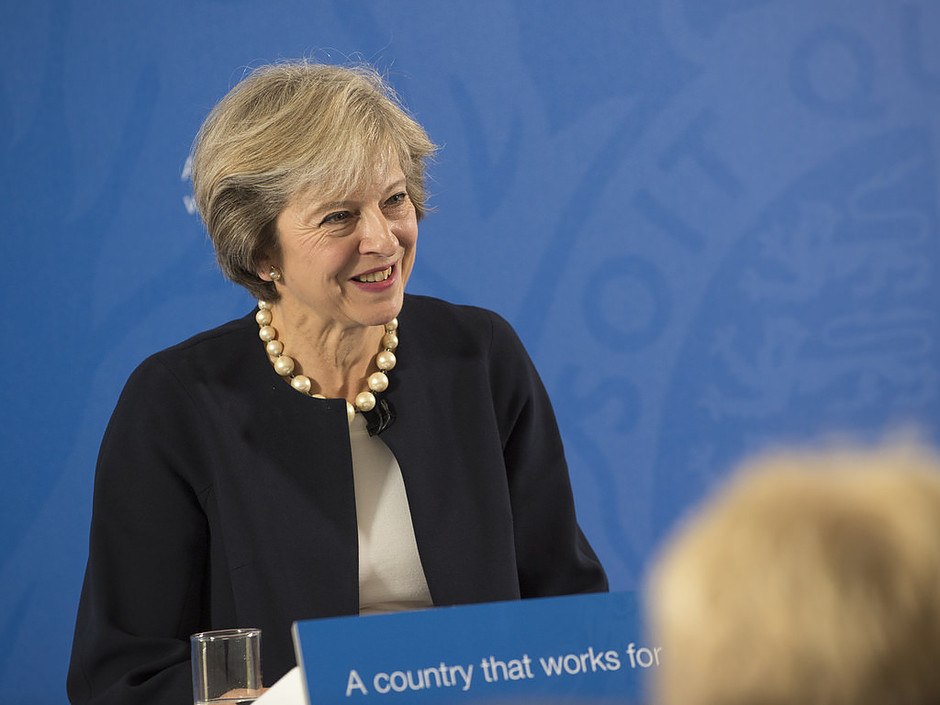

Analysts at ING Bank explained that when the UK Prime Minister May takes to the microphone in Florence on Friday, there will be just 27 days to go until a crucial European Council vote on whether enough progress has been made on exit issues to move onto trade talks.
Key Quotes:
"So far, the UK and EU have made little headway on the key issue of financial liabilities, and the European Parliament is reportedly set to vote on a resolution in early October, noting there has not been 'sufficient progress' to justify moving negotiations forward.
So can PM May's speech change this?
When it comes to cost, the devil is in the detail
Ahead of the speech, various press reports suggest the UK is willing to make a net contribution of roughly €20 billion to ensure no other EU nation will need to make up a budget shortfall during a two-year transition. While she reportedly may not quote a specific figure in the speech, the gesture may help to foster a slightly more constructive dialogue between both sides during the next round of talks on Monday. But it is unlikely to be enough to convince EU leaders that enough progress has been made.
The big sticking point is that the European side wants further commitments to honour longer-term costs, including pension liabilities, legal commitments, and contingent liabilities, set aside in case a member state defaults on a loan. There's also the contentious issue of whether the UK's rebate, negotiated by Margaret Thatcher, should be included - and by extension, whether the UK should continue paying for farm subsidies, which the rebate was originally linked to.
The BBC is also reporting the €20bn payment is also contingent on access to the single market during the transition. This is reportedly slightly more contentious in Europe, and it's likely that the UK would also have to accept all four freedoms of the market - including freedom of movement - which may not be popular at home.
So for now at least, without progress on these various issues, it looks unlikely that resolution will be reached before the European Council's October vote.
If no progress is made, what happens next?
When it comes to the divorce bill, the Prime Minister has two dilemmas. The first is the UK government is aware that money is a key bargaining chip in the talks. That's why the UK has been vocal in pushing to discuss trade talks in tandem with issues surrounding costs, and one minister told the BBC's Kuenssberg that money is "our only leverage".
But the more imminent conundrum for Theresa May is political. A Guardian/ICM poll in August found that only 18% would view a £20bn bill as acceptable, and with only a matter of days until the Conservative Party conference, she will be keen to avoid negative headlines.
This means that the deadlock between London and Brussels may still take some time to break. But the better news, at least for markets, is that the UK cabinet has reportedly agreed on the possibility of a two-year transition deal. Whilst it could take some time before this is formally agreed, it would be a positive for both UK markets and the economy as the tail-risk of a cliff edge fades even more."
Author
Ross J Burland
FXStreet
Ross J Burland, born in England, UK, is a sportsman at heart. He played Rugby and Judo for his county, Kent and the South East of England Rugby team.