Austrian elections on 15 October should bring a turbulent political year to a close - ING
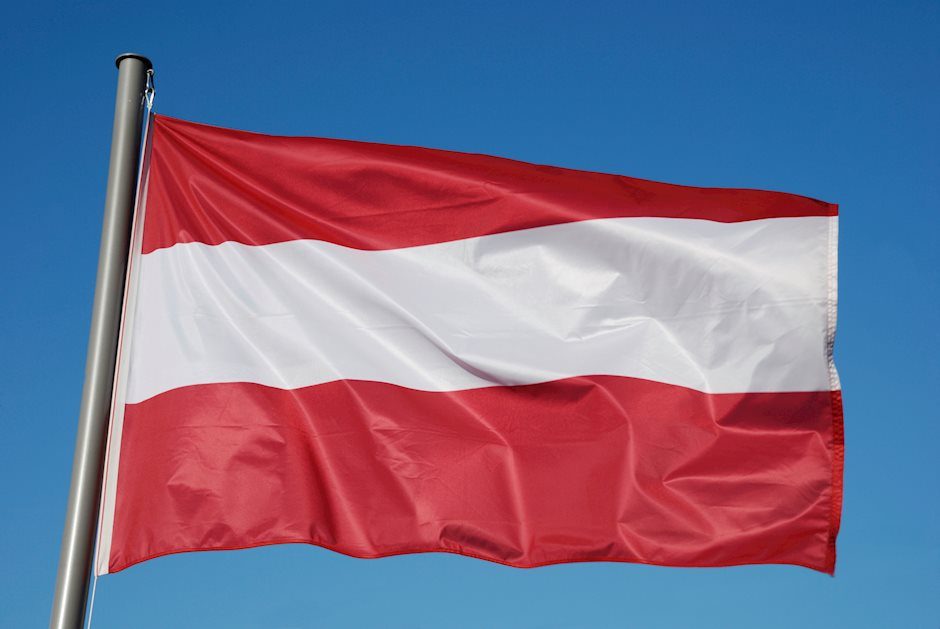

"The stage for early elections was cleared when Foreign Minister Sebastian Kurz (ÖVP) pulled the plug for the current coalition after months of quarrels and political disputes. On 15 October, Austria will go to the polls, for the fourth time in 18 months," notes ING Economist Inga Fechner.
Key quotes:
"Last year’s genuinely exciting presidential election turned out in favour of independent candidate Alexander Van der Bellen over right-wing candidate Norbert Hofer (FPÖ). Remember that the presidential election had received lots of international attention as a populist candidate was close to making it into the highest office in a core Eurozone country. This year’s parliamentary election has so far not been on Europe’s radar screen. Wrongly so, as Austria could become (once again) the first core Eurozone country with a populist party in government."
"With three main characters in the run-up to this election – Christian Kern (SPÖ), Sebastian Kurz (ÖVP) and Heinz-Christian Strache (FPÖ) – it might become another exciting one for the Alpine Republic. With the candidacy of Kurz, the tide turned not only for the FPÖ, after having led in the polls for almost two years, but also for the SPÖ, which has lost electorate support in recent months. 30-year-old Foreign Minister Kurz has risen to Austria’s most popular politician and has attracted international attention to himself with his hard stance on border policy – a topic which was previously covered by the FPÖ."
"So far, however, politics have not had any impact on investment or sentiment. After having been a growth laggard for almost five years, the Austrian economy is powering ahead nicely since last year. In the first half of this year, GDP growth has been robust, with 2Q GDP growth coming in at 2.2% year-on-year. Also the second half of the year is expected to be solid with survey data pointing to an ongoing strengthening of the economy. However, the opportunity for reforms in light of the current cyclical upswing should not be missed. Longer-term targets should come to focus in order to keep up the recent economic strength in light of ageing and digitalisation.
For the Austrian economy, all party programmes imply more stimulus, should the electoral promises be implemented. However, with reciprocal financing being formulated vaguely, the deficit might increase. As regards Europe, tensions between the EU and Austria might heat up with all parties trying to restrict access to the labour market."
"Politically, the Austrian election could be an important and interesting hint and precedent for the rest of the Eurozone: a first role model of how a Macron-like movement can take place within an established party and the next stage of populism, with a populist party potentially joining the next government. The exciting political times in the Eurozone continue."
Author
Eren Sengezer
FXStreet
As an economist at heart, Eren Sengezer specializes in the assessment of the short-term and long-term impacts of macroeconomic data, central bank policies and political developments on financial assets.

















