|

Asian stocks: Mildly bid amid the absence of US-Iran war

  • Asian traders are cautiously optimistic about no war between the US and the Middle East.
  • Fresh trade headlines, upbeat data and Wall Street performance also support the equities’ recovery.

Asian traders ignore war threats amid the absence of any major developments concerning the US-Iran tussle. The same, while joining with mixed US-China trade head headlines, help the MSCI index of Asia-Pacific shares to gain 0.60% to 692 by the press time of the pre-European session on Tuesday.

Market bears expecting an outbreak of the US-Iran war on Monday went home disappointed as the global leaders including France, Germany, the UK and United Nations (UN) are trying to placate Iran. Also, an absence of fresh war threat from the Middle East gives a little importance to the headlines showing that the US is preparing for fresh sanctions on Iraq as well as Trump administration’s banning of the Iranian Foreign Minister from entering the US.

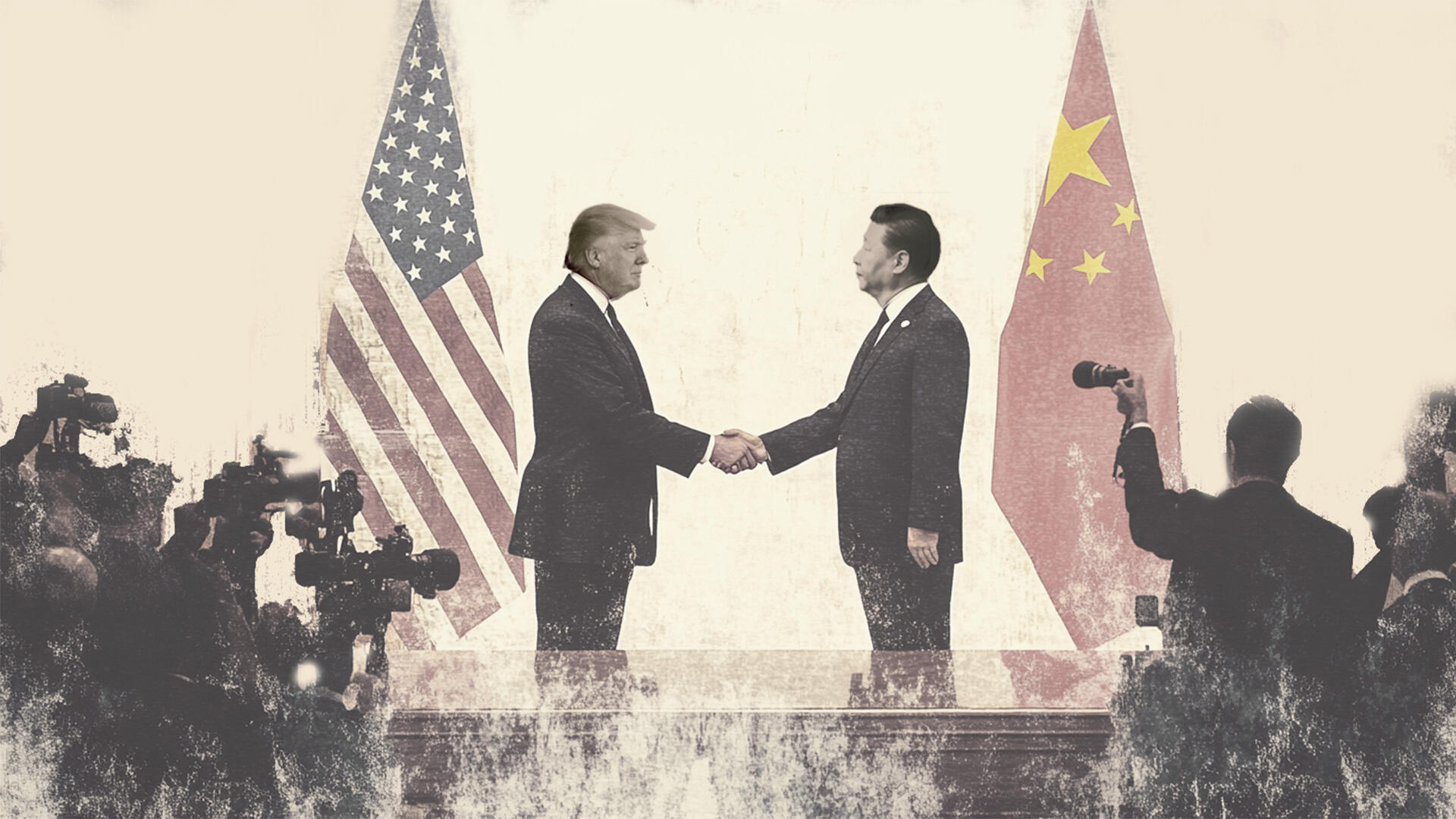
Furthering the market’s risk reset could be trade headlines that suggest the US and China are on track as far as the phase-one deal is concerned. This joins the next week’s scheduled US visit by the Chinese diplomats while contrasting Beijing official’s claims that China will not change the purchase quotas of the farm goods’ import from the US.

Additionally, a positive daily performance by the Wall Street benchmarks also supports the equity buyers.

While portraying all this, the US 10-year treasury yields stay positive around 1.82% whereas Japan’s NIKKIE gains more than 1.37% to 23,523 by the press time. Further, leading stock indices from China and India are around 1.0% in gains whereas Australia’s ASX 200 benefits from the expectations of further easing after the recent wildfire and downbeat data.

Moving on, investors will closely observe developments surrounding the US-Middle East tussle for near-term direction whereas the US ISM Non-Manufacturing PMI could offer intermediate clues.

Author

Anil Panchal

Anil Panchal

FXStreet

Anil Panchal has nearly 15 years of experience in tracking financial markets. With a keen interest in macroeconomics, Anil aptly tracks global news/updates and stays well-informed about the global financial moves and their implications.


More from Anil Panchal
Share:

Editor's Picks

AUD/USD battles 0.7000 amid bullish USD

AUD/USD keeps its offered tone intact near 0.7000 at the start of a new week, trading near its lowest level since August 4 amid a bullish US Dollar. US yields hold near multi-year highs amid inflation risks from higher oil prices and rising bets on an October Fed rate hike. This, along with the US-Iran standoff, continues to underpin the safe-haven buck and weigh on the pair ahead of Tuesday's RBA policy announcements.

USD/JPY climbs back toward 158.00 after BoJ minutes amid firm USD

USD/JPY finds dip-buyers and reverses part of Friday's slide driven by speculation that authorities will step in again to prop up the Japanese Yen. However, the BoJ's dovish Minutes cap the JPY. Meanwhile, the US Dollar regains traction as the US-Iran standoff supports crude oil prices, fueling inflation fears and reaffirming bets for an October Fed rate hike. This further supports the pair, driving it back toward 158.00.

Gold cracks $4,200 for the first time in eight weeks

Gold falls hard at the start of a new week, breaching $4,200 for the first time in eight weeks. Firming October Fed rate-hike bets, along with oil-driven inflation risks, keep US bond yields elevated near multi-year highs, helping the US Dollar regain positive traction amid persistent Iran risks. These factors weigh heavily on the bullion.

Week ahead: Rate hike bets face a crucial data week
Despite the solid drop from the mid-September high, oil prices remained in the driver’s seat for another week, setting the tone in financial markets. Six months have passed since the late-February start of the US-Iran conflict, and there is still no breakthrough in the stalled talks, despite pressure from regional leaders and the rest of the world.
After the Trump Xi summit, markets are trading three clocks
The summit delivered time, not a deal. Trade, oil and chips now each run to a date, and the macro backdrop matters more than the pageantry. Markets wanted a deal and got a calendar date instead. Xi Jinping left Washington on Friday after tea at the White House and a tour of the National Archives.
Fed vs BoJ: Both hiked. The market only believes one of them – and the chart shows which

The Fed and the BoJ have just done something remarkably similar. Both central banks raised interest rates by 25 bps last week, both are confronting inflation risks, and both signal that future decisions will depend on incoming economic data.