Last evening, I was having a conversation with a fellow trader discussing the importance of asset classes as they relate to each other. Even though my friend is primarily a trader in stocks, he analyzes the futures markets for guidance and uses options strategies designed to help improve rate of return and to manage his risk.
Most investors and traders fail to recognize the benefits that related asset classes offer to the stock trader. We are incorrectly trained to believe that we will meet our goals focusing solely on the equity markets and diversifying our portfolio in different stock sectors. The truth is that no matter how many stock sectors you buy, they are all likely to fall when the markets crash. The only true diversification comes from holding different asset classes.
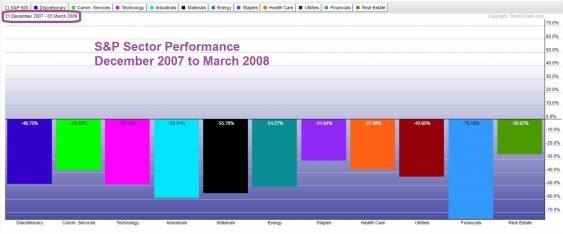
As you can see from the preceding chart, a diversified stock portfolio would have still lost money during the market crash of 2007. Traders and investors who diversified their portfolio in different assets, however, could have seen gains.
Benefits of Investing in Multiple Asset Classes
The other asset classes, such as futures and Forex, are beneficial for stock traders and investors in many ways.
-
They can often offer a warning before the stock market changes direction and trend
-
They can be used to hedge portfolios
-
A portfolio comprised of stocks, futures and currency is properly diversified.
Forecasting the Markets
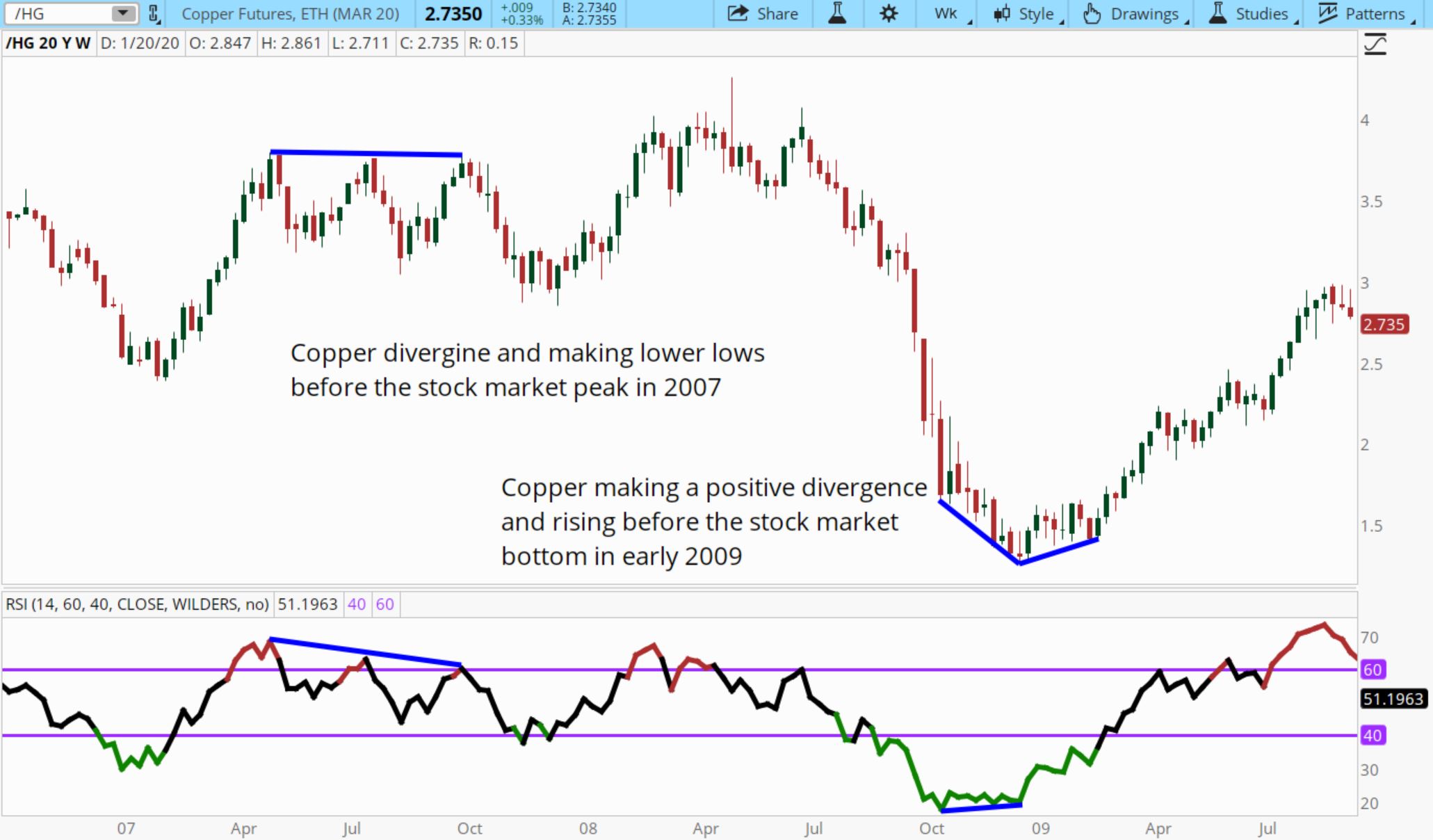
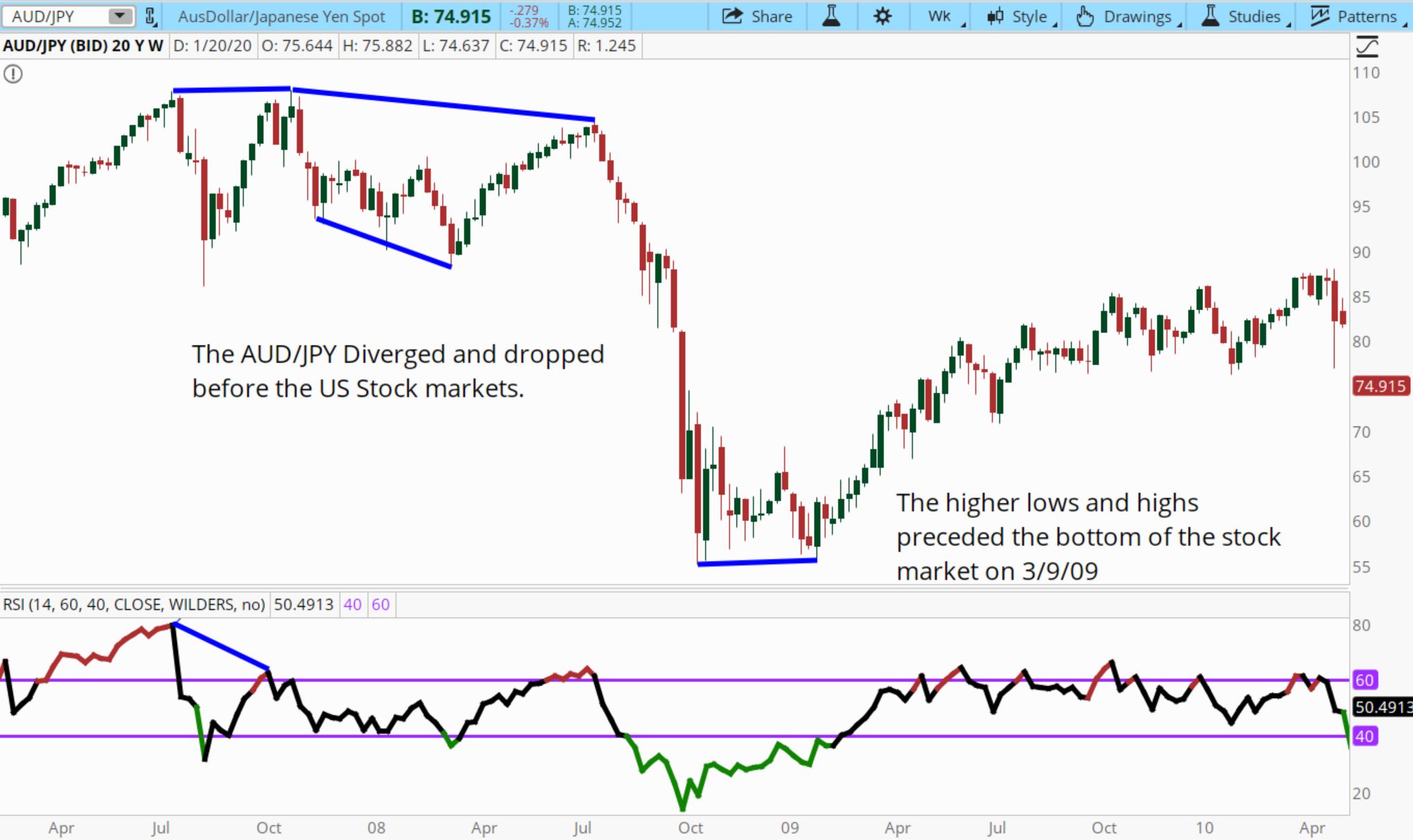
When looking for a forecast tool for the stock market, you need to understand the correlations between the stock market and several other assets. For example, as seen in the charts below, the market crash in 2008 and recovery in 2009 was preceded by turns in both the commodity and currency markets.
On a day to day basis, stocks will often react, and play catch up to, the equity futures markets. Futures trade nearly 24 hours a day and will act in response to news before the stock market opens. I have written about this before when discussing Program Trading. By understanding the futures markets, you can predict the morning movements and trading opportunities of the stock markets.
Hedging Portfolios
Since some currency pairs and futures mimic the stock market, a shorting position in these securities could be used to hedge the risk of a stock portfolio. Your gains in the short would offset the losses in the portfolio in the event of a market crash. There is a bit more that would need to be done to ensure the hedge is done properly, such as beta weighting the portfolio, but it is a strategy worth considering. Additionally, options on futures or indexes would allow you to create a hedge using less money.
Taking Advantage of Offsetting Rallies
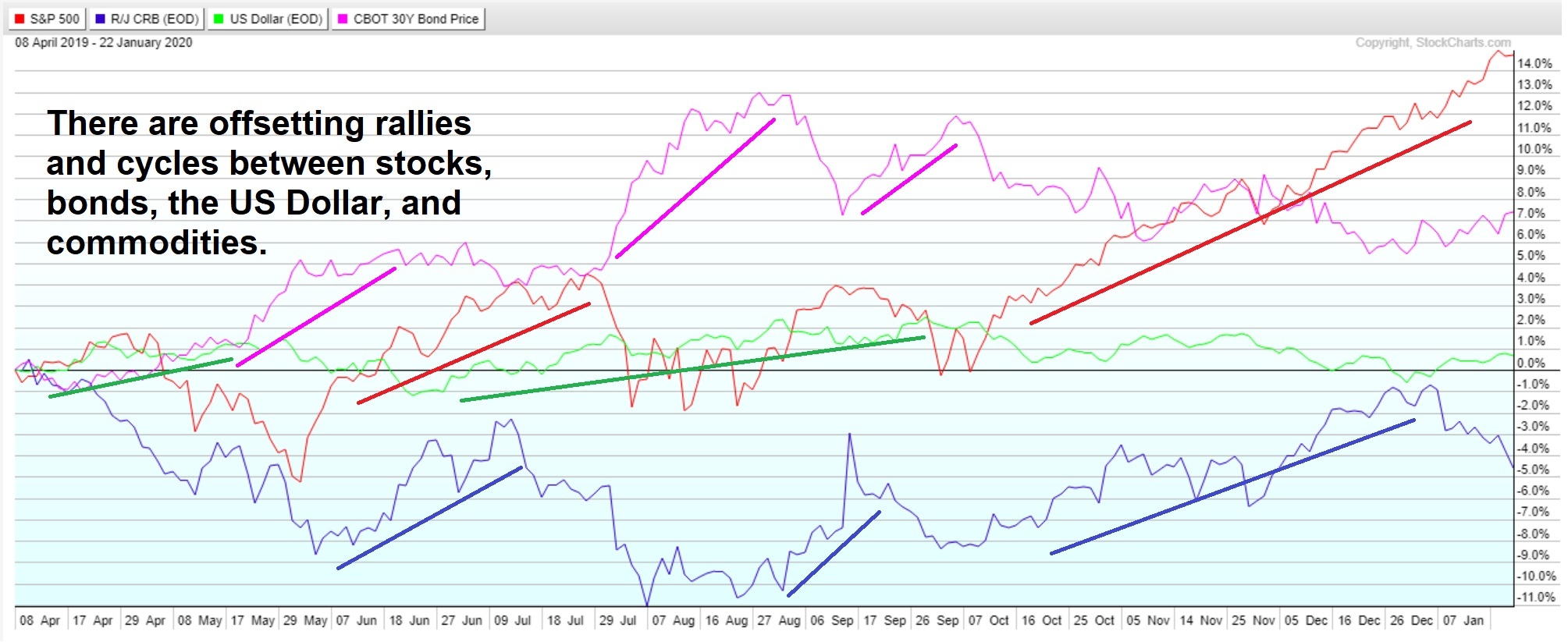
Bonds, stocks, currencies and commodities all have differing cycles that they go through. Some are bullish while others are bearish. Creating a truly diverse portfolio of various assets can be a viable strategy to minimize risk in the event the market drops. Once again, diversification in different sectors is often just not enough.
We have discovered several reasons why having knowledge of multiple asset classes can be a huge benefit for the stock trader/investor. You can learn more about these assets at your local Online Trading Academy center.
Neither Freedom Management Partners nor any of its personnel are registered broker-dealers or investment advisers. I will mention that I consider certain securities or positions to be good candidates for the types of strategies we are discussing or illustrating. Because I consider the securities or positions appropriate to the discussion or for illustration purposes does not mean that I am telling you to trade the strategies or securities. Keep in mind that we are not providing you with recommendations or personalized advice about your trading activities. The information we are providing is not tailored to any individual. Any mention of a particular security is not a recommendation to buy, sell, or hold that or any other security or a suggestion that it is suitable for any specific person. Keep in mind that all trading involves a risk of loss, and this will always be the situation, regardless of whether we are discussing strategies that are intended to limit risk. Also, Freedom Management Partners’ personnel are not subject to trading restrictions. I and others at Freedom Management Partners could have a position in a security or initiate a position in a security at any time.
Editors’ Picks
AUD/USD hangs near one-week low; downside seems limited
AUD/USD trades with a negative bias for the fifth straight day on Wednesday, just above a one-week low touched the previous day, as a weaker risk tone and China's economic woes undermine the Aussie. However, the RBA's hawkish stance could limit deeper losses. Moreover, bets for more rate cuts by the Fed in 2026 keep a lid on the attempted US Dollar recovery, warranting some caution for bearish traders ahead of US CPI on Thursday.
USD/JPY dips as bearish pressure persists despite ETF growth
Ripple is finding footing above $1.90 at the time of writing on Tuesday after a bearish wave swept across the broader cryptocurrency market, building on persistent negative sentiment.
Gold extends the range play around $4,300
Gold edges higher during the Asian session on Wednesday, though it remains confined in a multi-day-old trading range. Dovish Fed-inspired bearish sentiment surrounding the US Dollar, along with the risk-off mood, acts as a tailwind for the safe-haven bullion. However, hopes for a Russia-Ukraine peace deal hold back the XAU/USD bulls from placing aggressive bets. Traders also seem reluctant ahead of the crucial US consumer inflation figures on Thursday.
XRP dips as bearish pressure persists despite ETF growth
Ripple is finding footing above $1.90 at the time of writing on Tuesday after a bearish wave swept across the broader cryptocurrency market, building on persistent negative sentiment.
Ukraine-Russia in the spotlight once again
Since the start of the week, gold’s price has moved lower, but has yet to erase the gains made last week. In today’s report we intend to focus on the newest round of peace talks between Russia and Ukraine, whilst noting the release of the US Employment data later on day and end our report with an update in regards to the tensions brewing in Venezuela.
RECOMMENDED LESSONS
Making money in forex is easy if you know how the bankers trade!
I’m often mystified in my educational forex articles why so many traders struggle to make consistent money out of forex trading. The answer has more to do with what they don’t know than what they do know. After working in investment banks for 20 years many of which were as a Chief trader its second knowledge how to extract cash out of the market.
5 Forex News Events You Need To Know
In the fast moving world of currency markets where huge moves can seemingly come from nowhere, it is extremely important for new traders to learn about the various economic indicators and forex news events and releases that shape the markets. Indeed, quickly getting a handle on which data to look out for, what it means, and how to trade it can see new traders quickly become far more profitable and sets up the road to long term success.
Top 10 Chart Patterns Every Trader Should Know
Chart patterns are one of the most effective trading tools for a trader. They are pure price-action, and form on the basis of underlying buying and selling pressure. Chart patterns have a proven track-record, and traders use them to identify continuation or reversal signals, to open positions and identify price targets.
7 Ways to Avoid Forex Scams
The forex industry is recently seeing more and more scams. Here are 7 ways to avoid losing your money in such scams: Forex scams are becoming frequent. Michael Greenberg reports on luxurious expenses, including a submarine bought from the money taken from forex traders. Here’s another report of a forex fraud. So, how can we avoid falling in such forex scams?
What Are the 10 Fatal Mistakes Traders Make
Trading is exciting. Trading is hard. Trading is extremely hard. Some say that it takes more than 10,000 hours to master. Others believe that trading is the way to quick riches. They might be both wrong. What is important to know that no matter how experienced you are, mistakes will be part of the trading process.
The challenge: Timing the market and trader psychology
Successful trading often comes down to timing – entering and exiting trades at the right moments. Yet timing the market is notoriously difficult, largely because human psychology can derail even the best plans. Two powerful emotions in particular – fear and greed – tend to drive trading decisions off course.