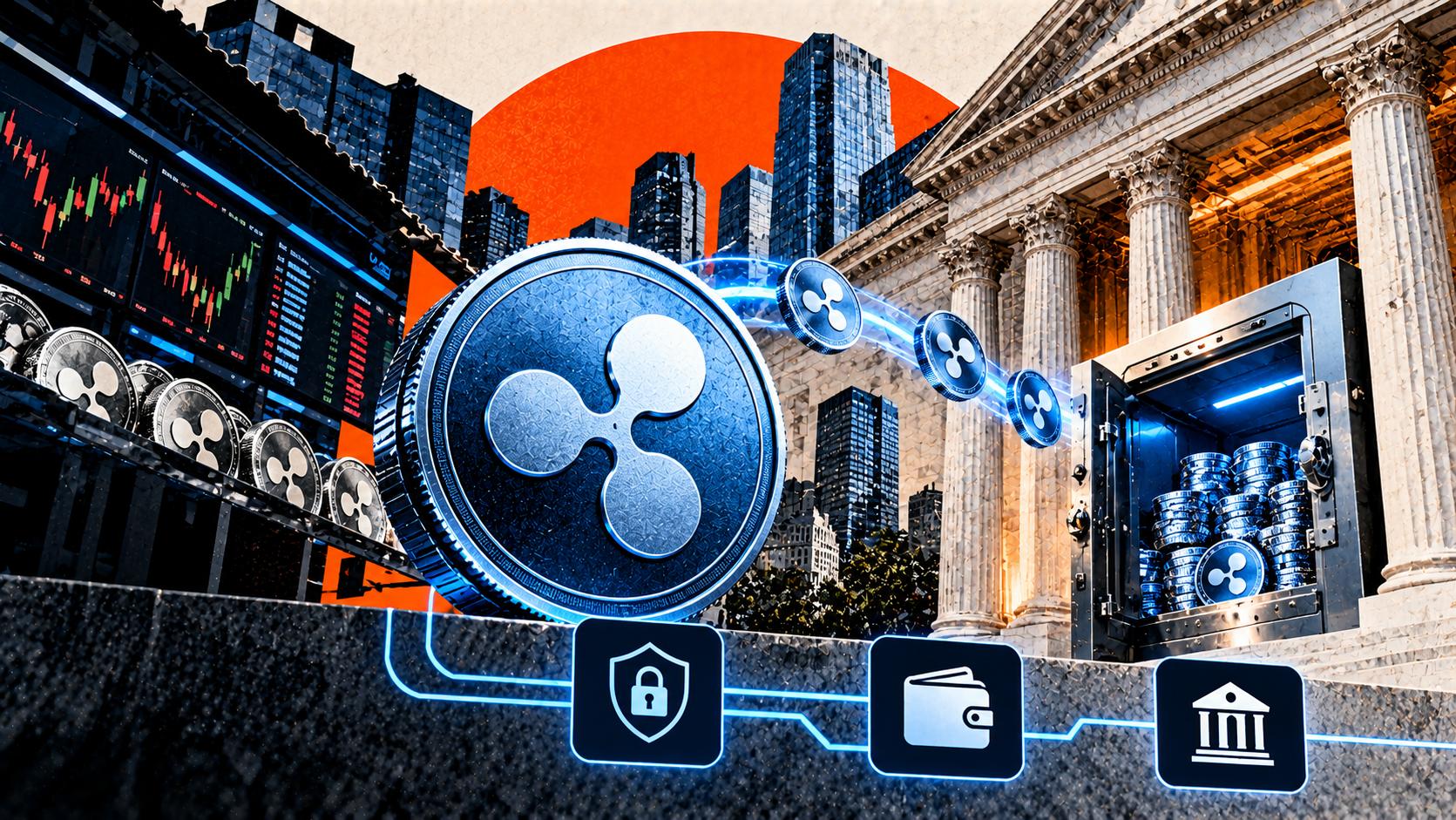
What is Bitcoin and how does it work – Pros and cons of Bitcoin investment

Bitcoin has become a hot topic in the world of finance and investment. It is a decentralized digital currency that is based on blockchain technology. This article will explore everything you need to know about Bitcoin.
What is Bitcoin?
Bitcoin is a digital currency created in 2009 by an unknown person or group using Satoshi Nakamoto. It is a decentralized currency, meaning it is not controlled by any government or financial institution.
How does Bitcoin work?
Bitcoin works on a blockchain, a decentralized public ledger that records all Bitcoin transactions. Each transaction is verified by a network of computers, and once verified, it is added to the blockchain. The blockchain comprises blocks of transactions, and each block is linked to the previous block, creating a chain of blocks. This is where the term "blockchain" comes from. Bitcoin can be bought and sold on various online exchanges and can also be used to purchase goods and services from merchants that accept it as a form of payment.
Advantages of Bitcoin
One of the main advantages of Bitcoin is its decentralized nature. This means that it is not controlled by any government or financial institution, which can benefit people who do not trust traditional financial institutions.
Another advantage of Bitcoin is that it is fast and cheap to use. Transactions can be made quickly and cheaply compared to conventional banking methods.
Finally, Bitcoin is also highly secure. Transactions are verified by a network of computers, and once a transaction is added to the blockchain, it cannot be altered.
Disadvantages of Bitcoin
One of the main disadvantages of Bitcoin is its volatility. The price of Bitcoin can fluctuate greatly in a short time, making it risky for investors.
Another disadvantage of Bitcoin is that it is not widely accepted as a form of payment. While there are some merchants that accept Bitcoin, it is still not as widely accepted as traditional forms of payment.
Conclusion
In conclusion, Bitcoin is a digital currency based on blockchain technology. It is a decentralized currency that is not controlled by any government or financial institution. While it has many advantages, such as being fast, cheap, and secure, it also has some disadvantages, such as its volatility and lack of acceptance as a form of payment. As Bitcoin continues to gain popularity, it will be interesting to see how it evolves and what impact it will have on the world of finance and investment.
Author

ATFX
ATFX
ATFX provides a trading experience with advanced technology, first-class products and services, and trading courses.