Charles Hoskinson says, “There was no Cardano ICO”; argues Bitcoin is not decentralized
- Charles Hoskinson criticized the SEC for giving Bitcoin a “free pass” while other crypto assets are treated as securities.
- The Cardano founder noted that BTC is not decentralized, as it would take merely three subpoenas to perform a 51% attack on the network.
- Upon being highlighted that the ADA’s ICO is the reason Cardano is treated as a security, Hoskinson stated that it did not have an ICO.
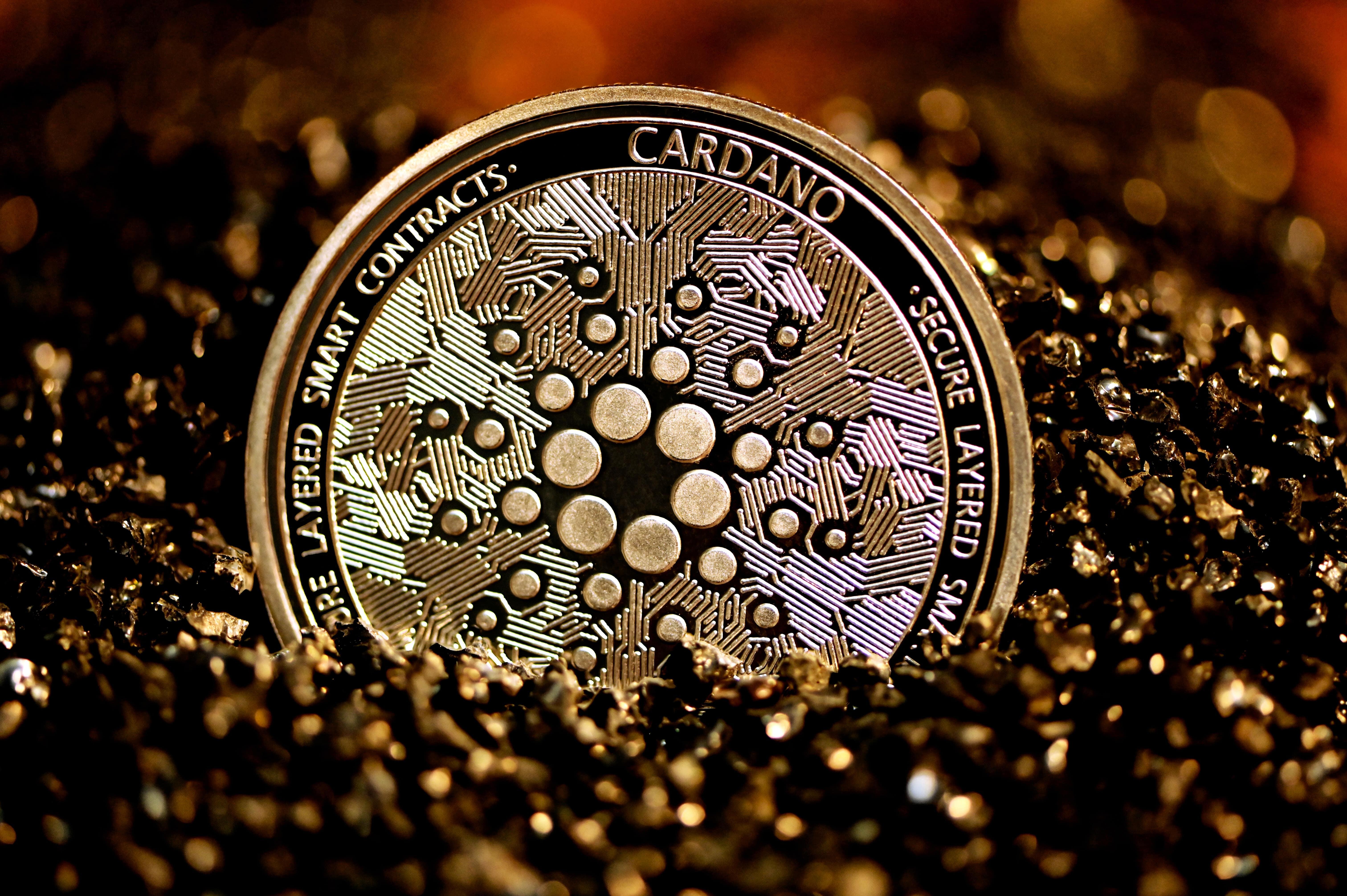
Cardano is known as the third-generation cryptocurrency and, at times, even the "Ethereum killer" but never as “not a security”. For that matter, the Securities and Exchange Commission (SEC), to date, has only named Bitcoin as "not a security," and XRP partially won that label following its lawsuit win. This seemingly did not sit well with Cardano founder, Charles Hoskinson.
Charles Hoskinson criticizes the SEC
Cardano founder Charles Hoskinson, during a recent stream, took on the SEC for giving Bitcoin essentially a free pass by not scrutinizing it as security the same way it does with other crypto assets. Hoskinson stated,
"Explain it to me [the difference between Bitcoin and other cryptocurrencies] like I am a five years old. Run the Howey test.
He went on to add that Bitcoin is not as decentralized as the SEC believes it to be. The reason is that over 51% of the hash rate can be controlled merely by subpoenaing the top three hash pools.
In response, crypto influencer Adam Black stated that the reason behind Bitcoin not being secure is that it did not do an ICO (Initial Coin Offering). He added,
"Bitcoin did not do an ICO, most people thought it had no value, it was mined from zero, it is decentralised, there is no CEO, ICO warchested "foundation", incorporation etc. so cardano, eth etc clearly pas howey, Bitcoin is a commodity and does not.
ICOs are a form of crowdfunding where cryptocurrencies are sold to investors in the form of tokens. The ICO boom of 2018 was one of the biggest driving factors of the bull run noted back then.
Hoskinson replied to Adam's statement by saying that Cardano did not do an ICO. He noted,
"There was an airdrop onto a distribution, and then thousands of people who never met each other traded Ada on exchanges and used Cardano for their projects.
A voucher sale of a different asset outside of the United States, priced in Yen, settled in Bitcoin, explained in Japanese to Japanese citizens, and without a single US participant does not constitute an ICO of Ada.
Technically, Cardano did conduct an ICO by utilizing a novel variation. As stated on Cardano's official website discussing the genesis of the chain, the ADA vouchers were sold by a Japanese corporation and its sales force in Japan with total gross sales of 108,844.5 BTC. The public sales distribution accounts for 25,927,070,538 ADA, of which 2.4 billion were distributed to IOHK, the developer of Cardano.
Thus, as long as the United States does not establish clear guidelines and regulations for the crypto industry, Charles Hoskinson and others will continue to criticize the SEC for its seemingly partial approach toward crypto assets.
Author

Aaryamann Shrivastava
FXStreet
Aaryamann Shrivastava is a Cryptocurrency journalist and market analyst with over 1,000 articles under his name. Graduated with an Honours in Journalism, he has been part of the crypto industry for more than a year now.