'USD bulls will jump back if Fed speakers align with Yellen' - Hussein Sayed, FXTM


PROFILE
• Current Job: Chief Market Strategist at ForexTime (FXTM)
• Career: Spent many years working in the finance sector as a dealer, trader and analyst in equities, credit and foreign exchange markets. As a highly experienced financial analyst with an in-depth understanding of the GCC region, Hussein provides valuable insight into the latest local and international market news and macroeconomic trends..

Hussein Sayed is the Chief Market Strategist for the Gulf and Middle East region at FXTM, and host of the popular evening business show on CNBC Arabia, Bursat Al Alam. As an ambassador for the FXTM brand, he represents the face and voice of FXTM within the MENA and GCC region, and is frequently quoted in leading media outlets such as Forbes Middle East, AFP, The Telegraph and MarketWatch. Through his role as business news anchor for CNBC Arabia, he covers the most important business and market news which provide insight to traders that could assist them in their investment decisions.
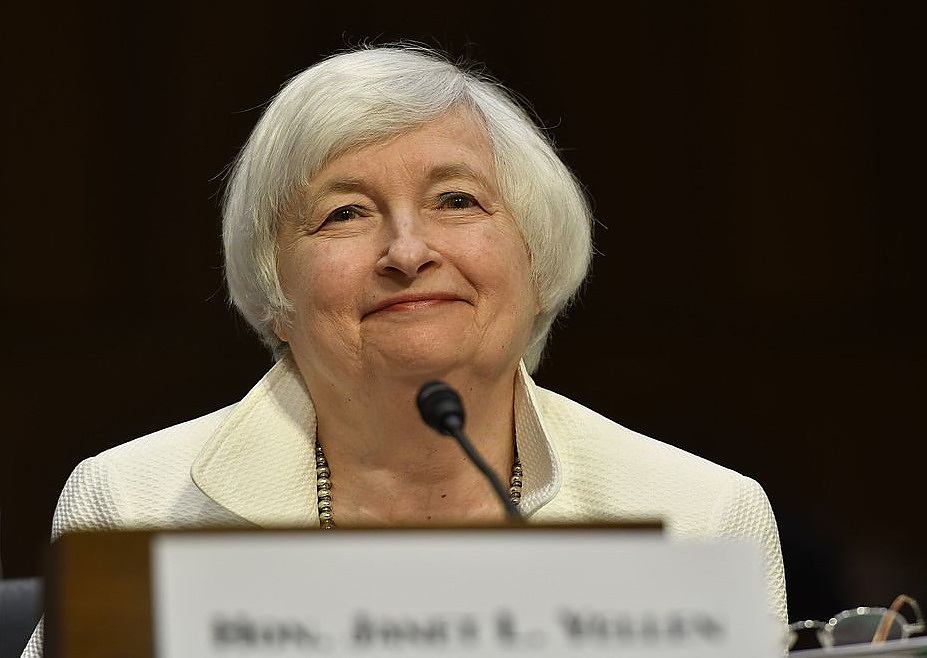
Yellen surprised markets with a hawkish speech and Fed dot plot still reflects one more hike: Is this enough to revert the USD back to bullish?
Indeed it was surprising, especially since recent economic data doesn't support the Fed's outlook. Inflation, retail sales, housing statistics, and consumer confidence all declined last week, an indication of softening economic data. However, Yellen no longer seems data-dependent and wants to remain on track to normalizing monetary policy. However investors are somehow skeptical about the trajectory of interest rates and the reduction of $4.2 trillion in Treasury's and MBS's. That’s why we didn't see a broad based rally in the USD. Similarly, fixed income traders shared this skepticism by sending yields on U.S. government bonds lower. If the Fed speakers' tone seems to be aligned with Janet Yellen this week, Dollar bulls will have a reason to jump back, but if the messages are mixed and data continues to point south, the USD downtrend will likely continue.
Where are the key technical levels on the EURUSD in the mid-to-long term outlook?
The EURUSD has been in an uptrend since the beginning of January. The next key technical level is August 2016’s high of 1.1365, where a break above will lead the pair to test 1.16. So, in the absence of a breakdown below 1.10, I think we'll continue to see new highs for 2017, assuming there are no political surprises from the Eurozone, which seems unlikely.
Have central banks regained their edge on the markets over politics?
I still believe politics will remain the markets’ key driver. Trump's promises to cut taxes, reduce regulations, and boost infrastructure spending are what drove the USD to 14-year highs; failure to implement these promises was the major reason behind the currency’s drop. Market participants are even considering the possibility of Trump's impeachment, which is going to be disastrous to the financial markets. On the other side of the Atlantic, Brexit talks have just begun and, although the BoE looks more hawkish, the risk of no deal will weigh heavily on the pound.
With the Fed willing to reduce its balance sheet and the ECB thinking about tapering: are the stock markets about to reverse down?
Not necessary. Central banks have been preparing the markets for so long, they have even become dull to some extent. In other words, the markets should have already priced in the tightening factor. However, few may disagree that stock valuations are overstretched, and for equities to revert, earnings should be robust. If earnings aren't convincing in Q2, this will lead to a reverse.
The BoE also surprised with three votes in favor of a rate hike: with inflation surging in the UK on Pound weakness, is a rate hike happening in the UK before than expected?
The BoE mentioned in the past that there are limits to the MPC's tolerance of above-target inflation. The change in the voting pattern from 7 -1 to 5 - 3 is already sparking expectations of a rate hike in the near future. If inflation breaks above 3% and stays there for two or three consecutive months, I think there's a high chance for a rate increase. Mark Carney cannot prevent the economy's adjustment as a result of the Brexit. Real income will continue to decline, growth will likely continue to slow, but the biggest threat remains inflation.
Which currency should benefit the most from summer trading?
This is a difficult question to answer. In this world of constant changes. I would rather seek trading opportunities in general rather than focusing on one currency.
Author
Jordi Martínez
FXStreet
Jordi Martínez is the Editor in Chief at FXStreet, leading editorial operations at the company, before being promoted to the role in 2023, he worked in several editorial positions at FXStreet, including roles as Senior

















