Flash Comment: Is Trump preparing for a round of trade escalation - again?
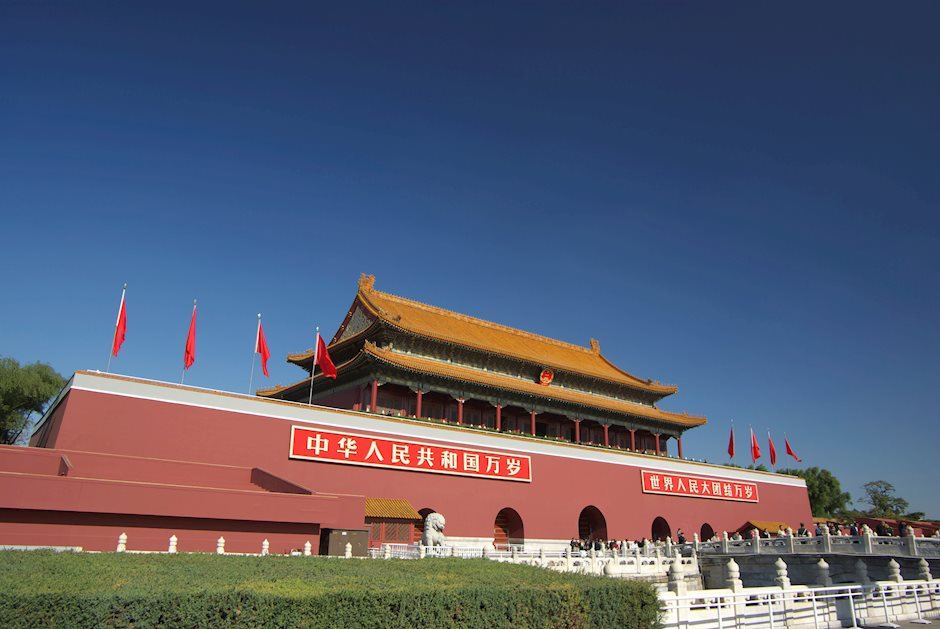

The pendulum keeps swinging in the US-China trade conflict. Recently tensions eased following Xi Jinping's speech at the Boao Forum signalling a more rapid pace of opening up and cutting tariffs on cars and other goods. Trump responded positively on Tuesday 10 April saying, 'Very thankful for President Xi of China's kind words on tariffs and automobile barriers also, enlightenment on intellectual property and technology transfers. We will make great progress together!'
However, there are signs that the Trump administration is not done firing trade shots at China and we could see a further escalation next week. A Wall Street Journal Article (paywall) on Thursday suggested that the White House plans to escalate the pressure further on China as it sees the recent signals from China as concessions due to their pressure, encouraging Donald Trump to add more pressure.
According to the article the White House is preparing to announce details on which goods categories of the USD100bn will be subject to a 25% tariff. Trump announced a week ago, that he had instructed his Trade Representative to look into this list after China announced retaliation to the first USD50bn of goods subject to tariffs. It will raise the total amount of Chinese goods to be taxed at the border to USD150bn (1/3 of total US imports from China, 1.2% of Chinese GDP). Trump's recent announcement that he will reconsider joining the Trans-Pacific Partnership deal is probably another attempt to add pressure on China, see Reuters , 12 April.
If Trump goes on and announces the USD100bn list of goods, we expect China to be quick to announce a 1-1 retaliation. This has been the pattern so far when Trump announced details on his trade threats. It is not possible to find US goods imports worth a total of USD150bn as the total imports from the US are only USD130bn. However, there are other areas where China can turn up the heat. China has signalled it could restrict trade within services where the US has a surplus around USD30bn. For example 1.1m Chinese tourists spent more than USD30bn in the US in 2016 and a tourist ban on travelling to the US could hurt tourisms. China is also the country sending the most students to the US. In 2016 China had around 350,000 students in the US giving revenue to American colleges and Universities (see South China Morning Post, 14 November 2017). However, China's strongest weapon is probably a consumer boycott of US products. A People's Daily article last week warned of 'an army of 1.4bn consumers who are proud of their nation's development...' and that China was ready to 'fight till the bitter end'.
The White House may be overplaying its cards here and misread what China is doing. China has planned to open up more all along, and what they are doing is speeding up the process. In that sense the pressure is helping reformers within China that argue for faster reforms but who face opposition from vested interests within. This is also alluded to in the WSJ article. However, there is a limit to how much China can speed up, both because the Chinese government generally believes in gradualism, as expressed by the new central bank governor Yi Gang over the past week ('The Chinese philosophy is gradualism') and because there is a limit to how much Xi Jinping can offer the US, as it could look as if China is letting itself be bullied by the US into opening up.
While we still believe in a deal between the US and China, ultimately we may be in for another escalation soon. But as we have stated several times, we are likely to see ebbs and flows in the conflict before a deal is finally reached down the line.
Author
Danske Research Team
Danske Bank A/S
Research is part of Danske Bank Markets and operate as Danske Bank's research department. The department monitors financial markets and economic trends of relevance to Danske Bank Markets and its clients.