Central banks send softer signal, intentionally or not
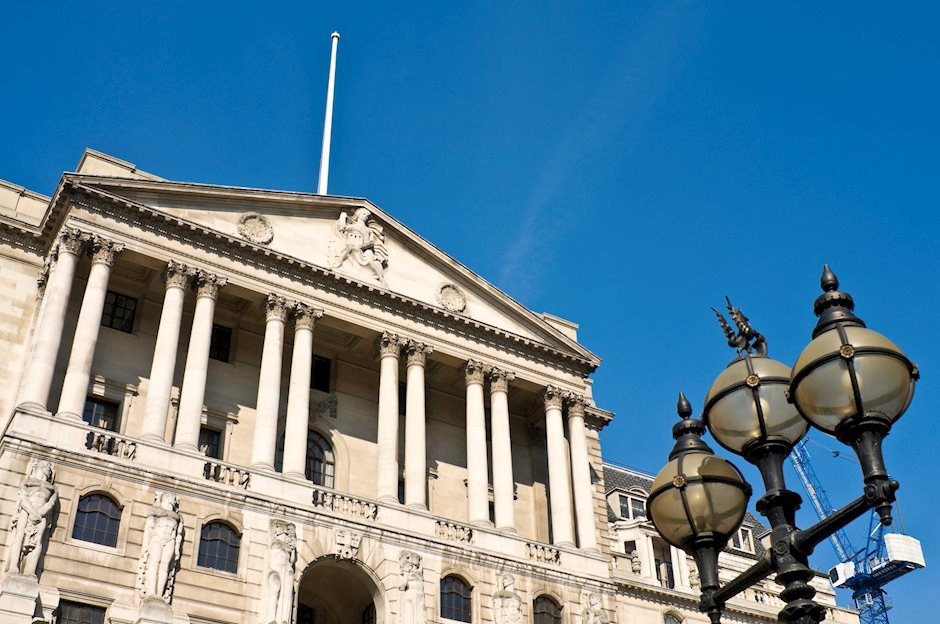

The US Federal Reserve, the European Central Bank and the Bank of England all announced rate hikes this week as expected, but they also sent what markets interpreted to be signals of lower levels of rates in the future than previously thought, and there were rallies in equity and especially bond markets. However, the central banks, especially the ECB, did sound very concerned about the inflation outlook still, and actual numbers for core inflation do not seem to point towards lower rates at this point.
The Fed hiked by 25bp as widely signalled before the meeting. Chairman Jay Powell sounded less concerned that a deep recession might be necessary to bring down inflation enough in the US, and also played down the easing in overall financial conditions that has taken place in recent months, despite the Fed rate hikes. The Fed still does not expect that a rate cut will happen this year, but the market is increasingly betting that the central bank will have to change its mind about that, as headline inflation is declining. Speaking against the chance of rate cuts this year, though, is a still tight labour market, signs that business activity might soon start growing again, and the Fed’s stated preference for tightening too much rather than too little in the current situation.
The ECB hiked 50bp and seemed to send a hawkish signal in its decision statement by saying that it ‘intends’ to hike 50bp again in March, pushing back against the media stories that it would only be 25bp. It also stated that, after the March hike, it will ‘evaluate’ the path of rate hikes depending on how the economy develops. At the press conference, ECB president Christine Lagarde said that the inflation outlook has become ‘more balanced’, which is a dovish signal. All in all, it seems that the communication was a compromise between the different views on ECB governing council. January inflation declined to 8.5% y/y in the euro area, which was lower than expected but also highly uncertain, as information from Germany was missing, and the data will be revised. Core inflation was unchanged at 5.2% y/y, and seasonally adjusted monthly changes in the core index does not indicate any slowing either. Unemployment in the euro area was unchanged at the record low level of 6.6% in December. Persistently high core inflation and tight labour market are central reasons why the ECB remains in tightening mode, and it seems that there will be less help on those issues from slowing overall economies than previously expected. We and others have upgraded the growth outlook significantly.
In the UK, the central bank also delivered a 50bp hike and revised up its economic outlook. It also still signalled more hikes to come, but in a toned-down language compared to December. Governor Bailey did not push back against market pricing of rate cuts in the second half of 2023, leading markets to price rates even lower towards the end of the year.
The coming week is light in terms of major data releases. The German inflation data that was missing in the January calculation for the euro area should come out on Thursday, and there is an EU summit Thursday-Friday where there will be discussions on trade and industrial policy such as new subsidies, but an agreement seems unlikely at this point.
Author
Danske Research Team
Danske Bank A/S
Research is part of Danske Bank Markets and operate as Danske Bank's research department. The department monitors financial markets and economic trends of relevance to Danske Bank Markets and its clients.