Wall Street Close: Major Indices pull back from record levels in defensive finish to the week
- Major US equity bourses closed the final trading day of the week in the red.
- A number of factors were cited as being behind the more defensive equity market tone.
- Stocks were given a mild boost following much stronger than anticipated preliminary January US Markit PMI numbers.
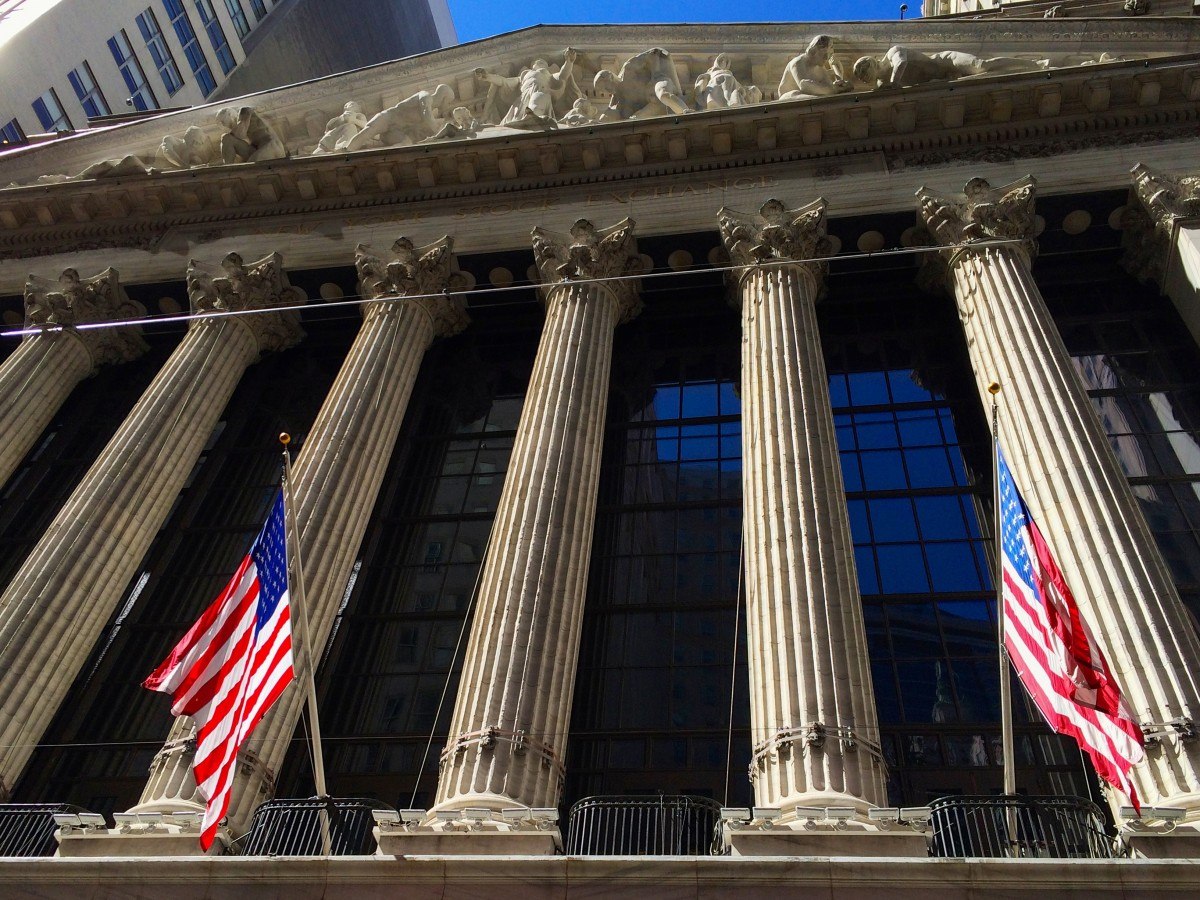
Major US equity bourses closed the final trading day of the week in the red, all three sliding slightly back from record levels hit as recently as yesterday. The major bourses spent the majority of the session gently recovering from early lower, only to see selling pressure into the close; the S&P 500, for example, hit lows just above 3830 not long after the open, then gradually recovered back to just above 3850, only to drop back to 3841 in the final minutes of trade to close 0.2% lower. The Nasdaq 100 saw similar price action, swinging between 13,340 and 13,400 before closing around 13,360, down 0.3% on the day and the Dow dropped 0.6%.
Risk-off
In terms of the reason for the broad decline in risk appetite; market commentators have suggested pre-weekend profit-taking with major bourses at all-time highs, given growing concerns regarding the state of the global pandemic. China is struggling to quash a small outbreak, with 100 cases per day still being reported, which is concerning given how soon the Lunar New Year holiday is and the potential for that to be a super spreader event. Meanwhile, Hong Kong is in lockdown, various European nations have tightened restrictions this week and seem to be eyeing up tougher travel restrictions which could come into force in the coming weeks and the UK government is talking about lockdowns dragging on into the summer (though the Covid-19 statistics there are improving).
Negative vaccine updates have not helped, and might have contributed to the late selling pressure; AstraZeneca is to cut deliveries to the EU by 60% in Q1, providing the bloc with just 31M doses, due to production problems at its vaccine factory in Belgium. The vaccine maker was unable to indicate delivery targets to the EU for Q2 2021. Rob Haworth, senior investment strategist at U.S. Bank Wealth Management in Seattle commented that “if we're forced to keep the economy closed and it takes longer than we want to get through immunizations and vaccinations for the coronavirus, that's going to be a little rougher on the market than people apparently anticipated”. Meanwhile, earnings weren’t great; IBM and Intel posted respective 10% and 9% declines post-earnings. Energy was weighed alongside crude oil markets.
Markit PMIs beat consensus
Note that stocks were given a mild boost following much stronger than anticipated preliminary January US Markit PMI numbers (released at 14:45GMT); the manufacturing index hit a series record high at 59.1 (versus expectations for 56.5) and the services index came in at 57.5 (versus expectations for a drop to 53.4). According to Markit, manufacturers registered the sharpest rise in selling prices since 2008 and the rate of input price inflation was the fastest on record (since 2009). The indices were also driven higher by supply shortages.
The data suggests a more robust than expected start to the year to the US economy and may even raise hopes that the US economy might avoid recession in Q1 2021. That, combined with higher reported price pressures has seemingly given a boost to the reflation trade and stocks and commodities are above lows, though still lower on the day for the most part.
Biden sells the need for stimulus
Elsewhere, US President Joe Biden gave downbeat commentary on the outlook for the US economy and the trajectory of the Covid-19 pandemic over the coming months, though his comments did not seem to have too much of an impact on the price action. Some market commentators suggested he may be trying to up the pressure on Congress to agree to pass his proposed $1.9T rescue package by impressing to the public the gravity of the situation the country faces and just how badly this stimulus is needed. Note; Biden administration officials are set to hold a call with Senators over the weekend.
American Association of Individual Investors Survey
Meanwhile, Pessimism among individual investors over the short-term direction of the US equity market rose to its highest level in 11 weeks, according to the latest American Association of Individual Investors Sentiment Survey, cited by Reuters. The Sentiment Survey showed that expectations for a market decline over the next six months were up 2.7% to 34.5% on the week. The last time pessimism was this high was in the 28 October 2020 report.
Author

Joel Frank
Independent Analyst
Joel Frank is an economics graduate from the University of Birmingham and has worked as a full-time financial market analyst since 2018, specialising in the coverage of how developments in the global economy impact financial asset