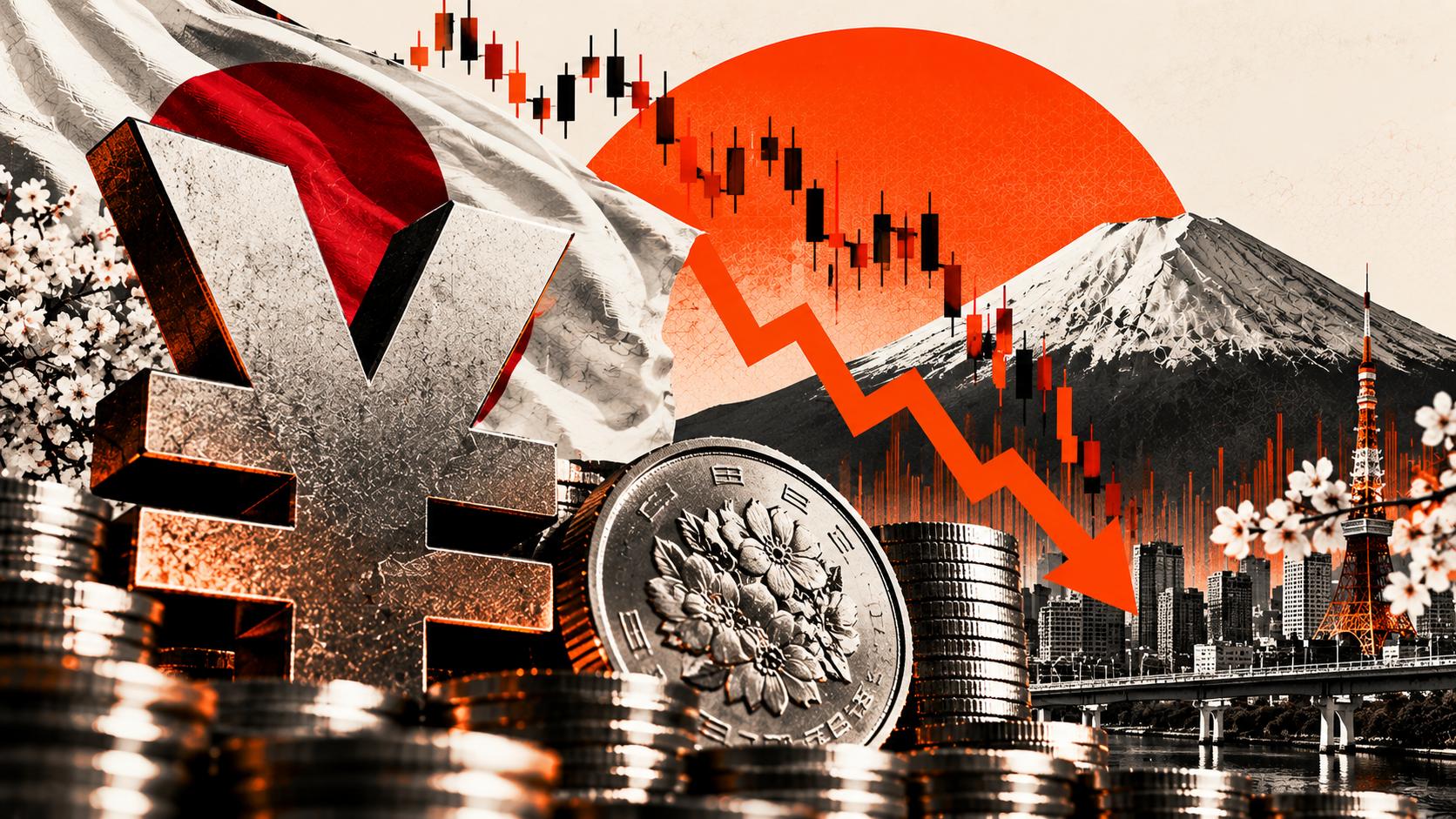
USD/JPY treads water above 155.00 as BoJ reinforces gradual tightening path
- USD/JPY steadies as the BoJ signaled the risk of falling behind the curve has not increased materially.
- Japanese PM Sanae Takaichi said a weak JPY supports exports and helps cushion the auto sector from US tariffs.
- The US Dollar strengthens following Kevin Warsh’s nomination as Fed Chair.

USD/JPY holds ground after three days of gains, trading around 155.20 during the Asian hours on Monday. The upside of the pair could be limited as the Japanese Yen (JPY) remains calm following the Bank of Japan’s (BoJ) January Summary of Opinions.
BoJ Summary of Opinions suggested the risk of falling behind the curve has not risen materially, though timely policy execution is becoming more important. With real rates still deeply negative, members agreed that further rate hikes would be appropriate if the outlook for growth and inflation holds, while maintaining a gradual tightening path.
Japanese Prime Minister Sanae Takaichi stated over the weekend that a weak Japanese Yen (JPY) could present significant opportunities for export-oriented industries and help cushion the automobile sector against the impact of US tariffs.
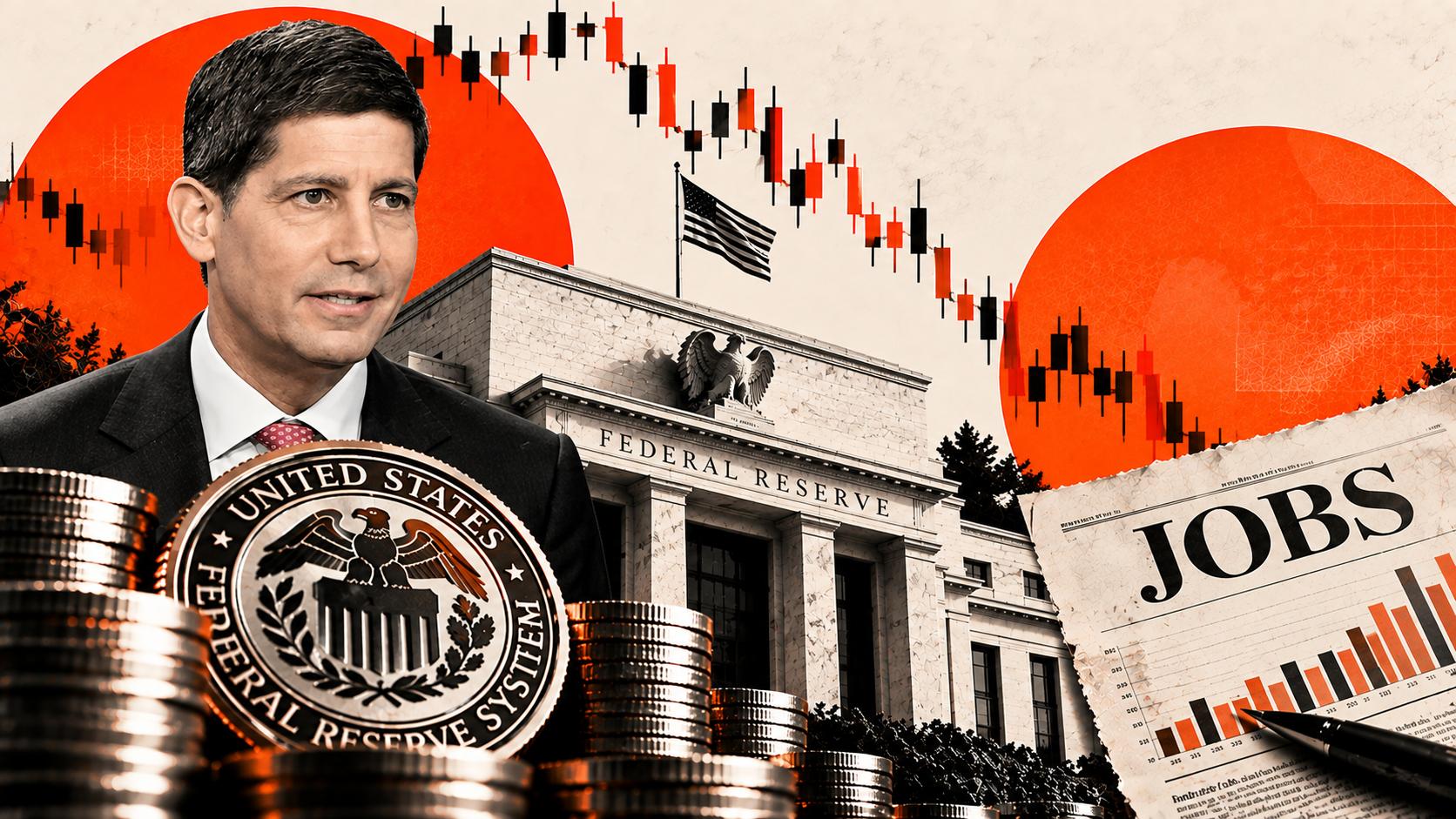
The pair could further gain ground as the US Dollar (USD) gains ground after President Donald Trump’s nomination of Kevin Warsh as the next Federal Reserve (Fed) Chair. Markets interpreted the Warsh’s appointment as signaling a more disciplined and cautious approach to monetary easing.
US producer-side inflation firmed, moving further away from the Federal Reserve’s 2% target and reinforcing the central bank’s policy stance. US PPI inflation holds steady at 3.0% year-over-year (YoY) in December, unchanged from November and above expectations for a moderation to 2.7%. Core PPI, excluding food and energy, accelerated to 3.3% YoY from 3.0%, defying forecasts for a decline to 2.9% and highlighting persistent upstream price pressures.
St. Louis Fed President Alberto Musalem said additional rate cuts are not warranted at this stage, characterizing the current 3.50%–3.75% policy rate range as broadly neutral. Similarly, Atlanta Fed President Raphael Bostic urged patience, arguing that monetary policy should remain modestly restrictive.
Bank of Japan FAQs
The Bank of Japan (BoJ) is the Japanese central bank, which sets monetary policy in the country. Its mandate is to issue banknotes and carry out currency and monetary control to ensure price stability, which means an inflation target of around 2%.
The Bank of Japan embarked in an ultra-loose monetary policy in 2013 in order to stimulate the economy and fuel inflation amid a low-inflationary environment. The bank’s policy is based on Quantitative and Qualitative Easing (QQE), or printing notes to buy assets such as government or corporate bonds to provide liquidity. In 2016, the bank doubled down on its strategy and further loosened policy by first introducing negative interest rates and then directly controlling the yield of its 10-year government bonds. In March 2024, the BoJ lifted interest rates, effectively retreating from the ultra-loose monetary policy stance.
The Bank’s massive stimulus caused the Yen to depreciate against its main currency peers. This process exacerbated in 2022 and 2023 due to an increasing policy divergence between the Bank of Japan and other main central banks, which opted to increase interest rates sharply to fight decades-high levels of inflation. The BoJ’s policy led to a widening differential with other currencies, dragging down the value of the Yen. This trend partly reversed in 2024, when the BoJ decided to abandon its ultra-loose policy stance.
A weaker Yen and the spike in global energy prices led to an increase in Japanese inflation, which exceeded the BoJ’s 2% target. The prospect of rising salaries in the country – a key element fuelling inflation – also contributed to the move.
Author

Akhtar Faruqui
FXStreet
Akhtar Faruqui is a Forex Analyst based in New Delhi, India. With a keen eye for market trends and a passion for dissecting complex financial dynamics, he is dedicated to delivering accurate and insightful Forex news and analysis.