The CBRT keeps rates unchanged at 46.00%, as anticipated
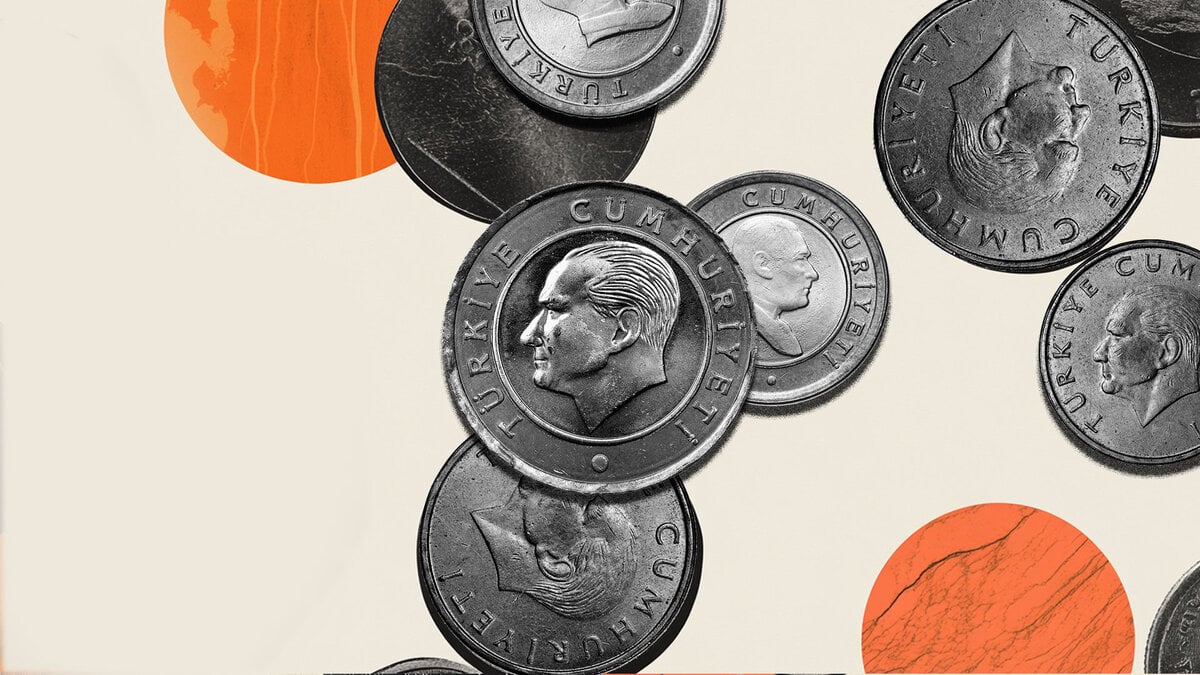

Turkey's central bank (CBRT) kept its One-Week Repo Rate at 46% on Thursday, matching the broad consensus. However, it also kept the top band of its rate corridor at 49% (Overnight Lending Rate), which was not what many had expected. The Overnight Borrowing Rate remained at 44.50%, in line with the forecast.
The CBRT said that inflation is likely to continue to fall, but growth is likely to slow down. The latest choice to take a relatively hawkish position on interest rates effectively extends a period of policy pause, laying the way for a possible resumption of rate decreases expected this summer.
The bank's policy committee said again what it has said before: that the restrictive monetary policy would stay in place until price stability is reached via a steady drop in inflation.
The CBRT also said it will carefully change the policy rate, looking at each meeting separately and putting the inflation forecast first.

Market Reaction
Following the CBRT's interest rate decision, the Turkish Lira (TRY) trades weaker, leading the USD/TRY to reach its highest level since mid-March, around 39.5500.
Inflation FAQs
Inflation measures the rise in the price of a representative basket of goods and services. Headline inflation is usually expressed as a percentage change on a month-on-month (MoM) and year-on-year (YoY) basis. Core inflation excludes more volatile elements such as food and fuel which can fluctuate because of geopolitical and seasonal factors. Core inflation is the figure economists focus on and is the level targeted by central banks, which are mandated to keep inflation at a manageable level, usually around 2%.
The Consumer Price Index (CPI) measures the change in prices of a basket of goods and services over a period of time. It is usually expressed as a percentage change on a month-on-month (MoM) and year-on-year (YoY) basis. Core CPI is the figure targeted by central banks as it excludes volatile food and fuel inputs. When Core CPI rises above 2% it usually results in higher interest rates and vice versa when it falls below 2%. Since higher interest rates are positive for a currency, higher inflation usually results in a stronger currency. The opposite is true when inflation falls.
Although it may seem counter-intuitive, high inflation in a country pushes up the value of its currency and vice versa for lower inflation. This is because the central bank will normally raise interest rates to combat the higher inflation, which attract more global capital inflows from investors looking for a lucrative place to park their money.
Formerly, Gold was the asset investors turned to in times of high inflation because it preserved its value, and whilst investors will often still buy Gold for its safe-haven properties in times of extreme market turmoil, this is not the case most of the time. This is because when inflation is high, central banks will put up interest rates to combat it. Higher interest rates are negative for Gold because they increase the opportunity-cost of holding Gold vis-a-vis an interest-bearing asset or placing the money in a cash deposit account. On the flipside, lower inflation tends to be positive for Gold as it brings interest rates down, making the bright metal a more viable investment alternative.
Author
Pablo Piovano
FXStreet
Born and bred in Argentina, Pablo has been carrying on with his passion for FX markets and trading since his first college years.