|

PBOC: Surge in interbank rates is a hawkish signal – Capital Economics
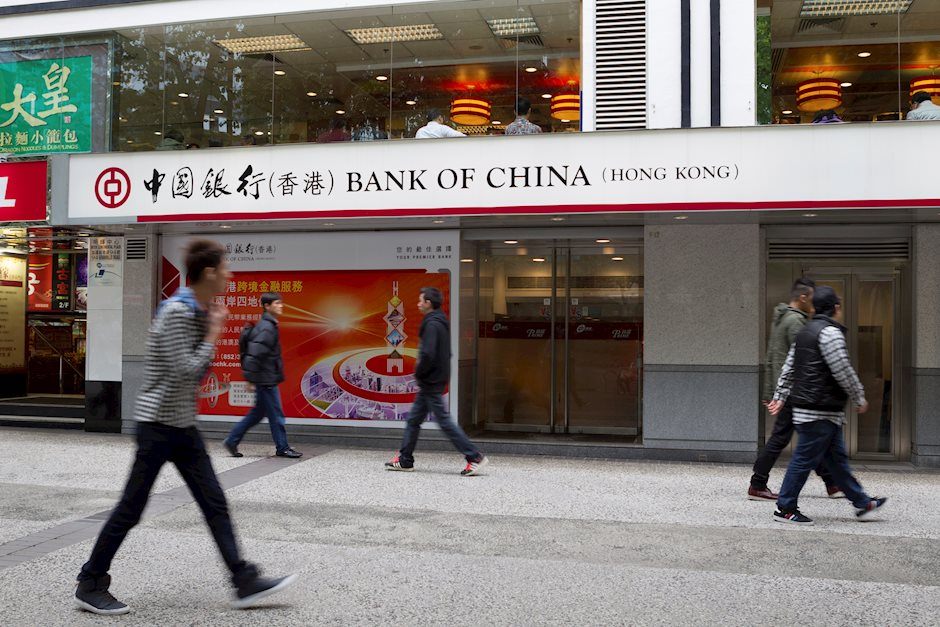
Julian Evans-Pritchard, Senior China Economist at Capital Economics suggests that the People Bank of China (PBOC) could be delivering a hawkish signal, in light of the recent surge in the interbank rates.

Key quotes

“Short-term funding costs for banks have risen sharply during the past couple of weeks. The 7-day depository repo rate (DR007), which has been flagged by the PBOC as a key benchmark and focus of monetary policy, jumped over 100 basis points to a two-year high. Swings in interbank rates are common in China, but the recent move stands out as unusually large.

The proximate cause is a seasonal tightening of liquidity ahead of Chinese New Year, when demand for cash surges. But this is an incomplete explanation.

After all, the PBOC has the tools to keep interbank rates steady when it wants to. It could have prevented the latest jump by injecting funds via its lending facilities and daily market operations. Instead, it has been withdrawing liquidity in recent days.

At the very least, this implies that the PBOC is content to let monetary conditions tighten temporarily. But it also hints at a more hawkish stance and reinforces our expectation that policy rates will rise this year, perhaps as soon as this quarter.”

Author

Dhwani Mehta

Dhwani Mehta

FXStreet

Residing in Mumbai (India), Dhwani is a Senior Analyst and Manager of the Asian session at FXStreet. She has over 10 years of experience in analyzing and covering the global financial markets, with specialization in Forex and commodities markets.


More from Dhwani Mehta
Share:

Editor's Picks

EUR/USD falls to near 1.1600 due to persistent bearish bias

EUR/USD depreciates after registering modest gains in the previous session, trading around 1.1610 during the Asian hours on Thursday. The technical analysis of the daily chart suggests a persistent bearish bias as the EUR/USD pair remains within the descending channel pattern.

GBP/USD underperforms as UK faces stagflation risks amid Middle East war

The Pound Sterling trades lower against its major currency peers, is down 0.22% around 1.3340 against the US Dollar, during the Asian trade on Thursday. The British currency faces selling pressures amid fears that the United Kingdom economy could face stagflation risks due to higher energy prices, a situation in which inflation accelerates with economic growth and employment conditions remaining stagnant.

Gold buyers stay hopeful amid Middle East war, China growth woes

Gold is building on the previous rebound in Thursday’s Asian trades, testing offers once again at the $5,200 threshold. Deeper escalation of the Middle East war and dovish US Federal Reserve monetary policy outlook continue to support Gold.

Trump presses Congress on CLARITY bill after meeting with Coinbase CEO

US President Donald Trump is urging legislators to pass the CLARITY Act after allegedly meeting with Coinbase CEO Brian Armstrong amid growing dispute over stablecoin yields.

First Venezuela, now Iran: The US-China energy war escalates

At first glance, the latest escalation involving the United States with both Iran and Venezuela looks like another chapter in a long-running geopolitical story. But viewed through a broader strategic lens, something else may be unfolding: Energy.

Bittensor extends recovery despite retail demand slump

Bittensor, a leading Artificial Intelligence token, is aging up above $190 at the time of writing on Wednesday. Steady price increases characterise the broader crypto market, with Bitcoin holding above $71,000 and Ethereum above $2,000.