|

Kamala Harris faces uphill battle according to US elections betting odds
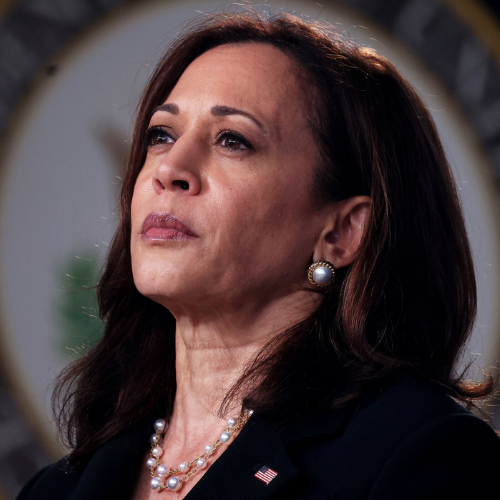
As Americans head to the polls to elect the 47th President of the United States, betting odds suggest that Vice President Kamala Harris is facing an uphill battle against former President Donald Trump.

Over the weekend, one of the major betting platforms, PredictIt, showed that Harris became the slight favorite to win the US presidential election, surpassing Trump for the first time since early October. This lead, however, remained short-lived as Trump moved to the top again on the platform, albeit with a small margin.

Although US presidential election betting odds should not be taken as a representative view of US voters, they might still trigger a reaction in financial markets. Unlike PredictIt, RealCelarPolling's average for betting odds currently has Trump with at a comfortable lead against Harris, 57.7 vs 40.7.
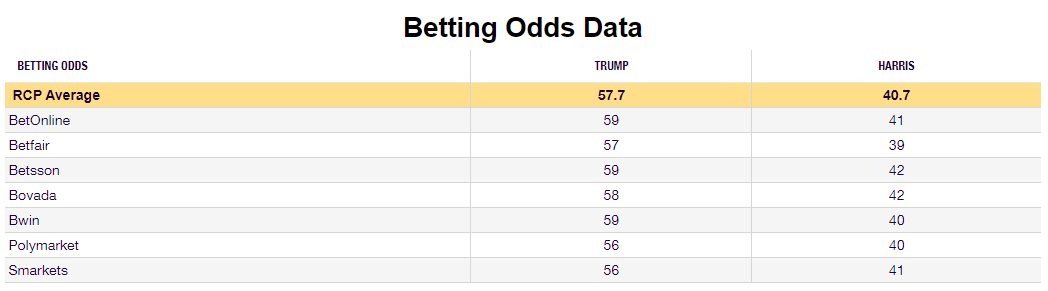
Source: RealClearPolling.com

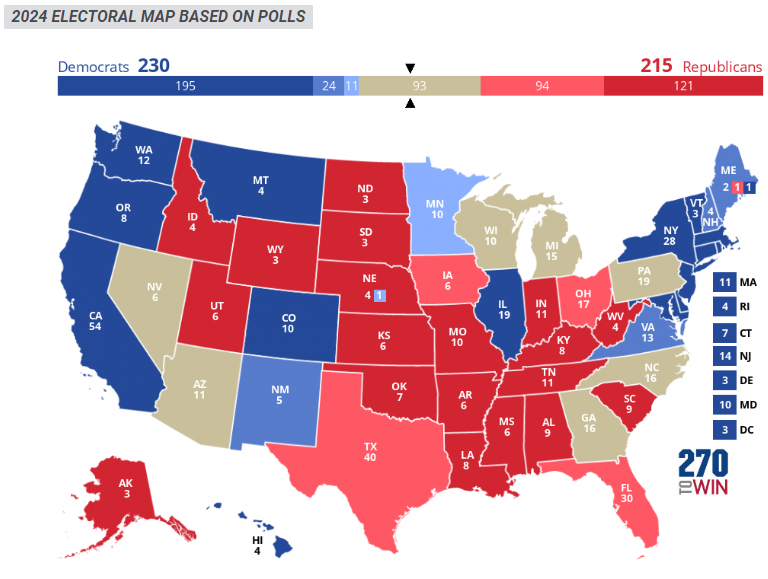
In the meantime, election polls point to a much tighter race than what betting odds suggest. The TIPP poll has Trump and Harris tied at 48 in nationwide, the Ipsos poll has Harris leading by two points, 50 vs 48, and the Atlas Intel poll has Trump having a one point lead, 50 vs 49, as per RealClearPolling. In some swing states, such as Arizona and North Carolina, Trump seems to be staying on top, while Harris seems to have closed the gap in others, such as Nevada, Georgia and Pennsylvania.
Follow our live coverage of the market reaction to the US presidential election as counting results start hitting the wires.

Author

FXStreet Team

Composed of a group of economic journalists and FX experts, the FXStreet content team produces and oversees all content published on FXStreet. It provides a purely journalistic approach to the Forex market.


More from FXStreet Team
Share:

Editor's Picks

AUD/USD stays defensive below 0.7150 after Chinese data

AUD/USD remains on the back foot below 0.7150 in the Asian session on Tuesday, close to an over three-week low touched the previous day. US bond yields hold near multi-year highs ahead of the FOMC meeting and oil-driven inflation risks, supporting the US Dollar and weighing on the currency pair. Mixed Chinese activity data for August also fail to inspire the Aussie.

USD/JPY extends gains toward 155.00 amid USD resurgence

USD/JPY keeps pushing higher toward 155.00 early Tuesday, looking for more upside, as traders await the FOMC and BoJ meetings this week. Meanwhile, Fed rate-hike bets and oil-driven inflation risks keep US bond yields near multi-year highs, supporting the US Dollar and the pair. That said, a more hawkish repricing of the BoJ normalization path might continue to underpin the Japanese Yen and could limit USD/JPY's upside. .

Gold struggles below $4,300, near one-month low as USD sticks to gains ahead of Fed

Gold struggles to capitalize on its modest Asian session uptick, and remains close to a one-month low, which it touched the previous day. The commodity currently trades just below the $4,300 mark as traders move to the sidelines ahead of the crucial two-day FOMC policy meeting, starting later today.

Dogecoin clings to EMA support as recovery lacks conviction
Dogecoin (DOGE) hovers around $0.083 at the time of writing on Tuesday after finding support around the key support zone the previous day. Quiet institutional demand, along with mixed derivatives positioning, suggests fading interest in the dog-themed meme coin.
AI, markets and a more complicated world
The week started with upward pressure on energy prices, US 10-year yield breaching the 5% mark and very uncomfortable questions regarding AI, and this time, it was not about the circular deals, financing capabilities, investor greed, earnings, the impact of AI on different sectors and businesses, the parabolic rise in market prices, PE ratios and so on.
Venezuela’s 65-billion-barrel Oil deal could reshape America’s inflation fight
The United States (US) has secured unprecedented access to part of Venezuela’s vast Oil reserves. The timing is particularly significant as the war with Iran is disrupting Middle Eastern supplies, keeping energy prices elevated and reviving concerns about inflation.