Japan: Abe marches on, tread carefully with USDJPY – Deutsche Bank
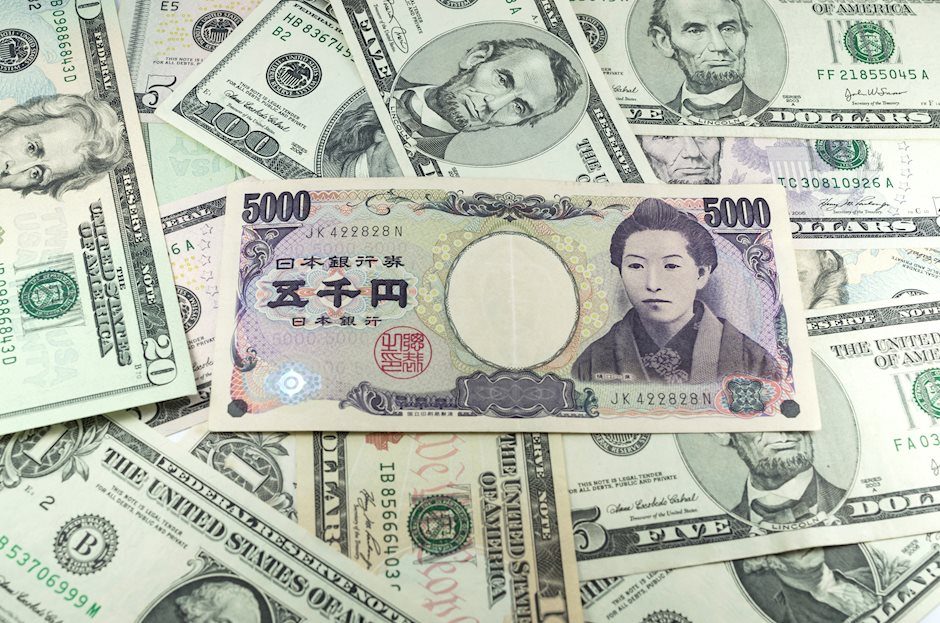

The decisive election win for Abe and recent upward pressure on US back-end rates opens up some headroom for USD/JPY, according to Mallika Sachdeva, Strategist at Deutsche Bank.
Key Quotes
“Novembers historically have been bullish USD/JPY, positioning is not at extremes, and USD/JPY remains a good expression of our tactically bullish USD view into year-end. Geopolitics remains a downside risk though, and there are technical hurdles with spot near the top of the year’s range and key resistance levels at 114.50 and 115.50. More fundamentally, valuations could be constraint for sustained upside in spot, and BoJ policy is going to be (dovishly) unwinding from here on. We keep exposure to measured USD/JPY topside into year-end via options, but caution against adding aggressively to cash longs.”
“We share 7 key observations on USD/JPY markets, in roughly decreasing order of support for spot.
1. Comfort in continuity. With Abe’s ruling coalition retaining their super majority in yesterday's election, the future of Abenomics seems secure for now. Kuroda, or someone similar to him in thinking, is likely to be appointed as the BoJ Governor next April, muting the risk of a political disruption to monetary policy.
2. November has been a good month for USD/JPY bulls. The past five Novembers have seen USD/JPY rise by 5% on average. Admittedly, this appears more driven by a concentration of events in recent Novembers than seasonal flows (Trump win in 2016, BoJ QE2 in 2014, Abe leading election race in 2012). We likely need a catalyst, with US tax reform the most likely one this November.
3. Option positioning not extreme. Cash positioning remains short JPY, with investors having added back on IMM lately. Our recently launched COFFEE indicator also shows JPY selling via options, but the volume bias is far from the extremes of last year. The recent jump in USD/JPY risk reversals also shows a scramble to reverse positioning that had been protecting against JPY strength.
4. Watch Trump’s visit next month. Trump begins his first tour of Asia-Pacific in early November, visiting Tokyo on the 5th and Seoul on the 7th. North Korea is likely to be a key item on the discussion agenda. This opens the risk of some geopolitical tension over this period to which USD/JPY is likely to be sensitive, with risk premium having unwound recently.
5. Equities no longer need JPY weakness. One common criticism of the Abe equity rally is that it was largely driven by yen weakness which only temporarily inflates earnings and margins. This has begun to change though, with the Nikkei powering higher this month in the absence of JPY weakness. With gains led by consumer and healthcare stocks, this appears more a domestic growth story, driven by earnings and an economy in good shape. This is good news for Abe, but means that the policy imperative to keep driving USD/JPY higher will soften.
6. BoJ scaling back is inevitable. Even with the BoJ board likely to remain dovish, market constraints will mean that the direction of policy movement is towards a slow (ideally covert) unwind. BoJ has already quietly tapered their JGB purchases down to JPY60tn in net annual buying. The recent rise in TIBOR suggests some speculation around a negative rate removal. And the stock market rally could allow for a reduction in BoJ ETF purchases.
7. JPY appears very cheap. JPY remains the most conclusively undervalued currency in the world, with a 15% undervaluation on an average of our three main models (DBeer, PPP, FEER). This is the most stretched it has been in at least the past 20 years. Tactical overshoots are likely, but it makes it difficult to project too much further fundamental JPY weakness.”
“We keep exposure to USD/JPY topside into year-end through high-delta options, targeting a move above 115, but would not add aggressively to cash longs.”
Author
Sandeep Kanihama
FXStreet Contributor
Sandeep Kanihama is an FX Editor and Analyst with FXstreet having principally focus area on Asia and European markets with commodity, currency and equities coverage. He is stationed in the Indian capital city of Delhi.