FOMC: Data-dependent or Trump-dependent? - Rabobank
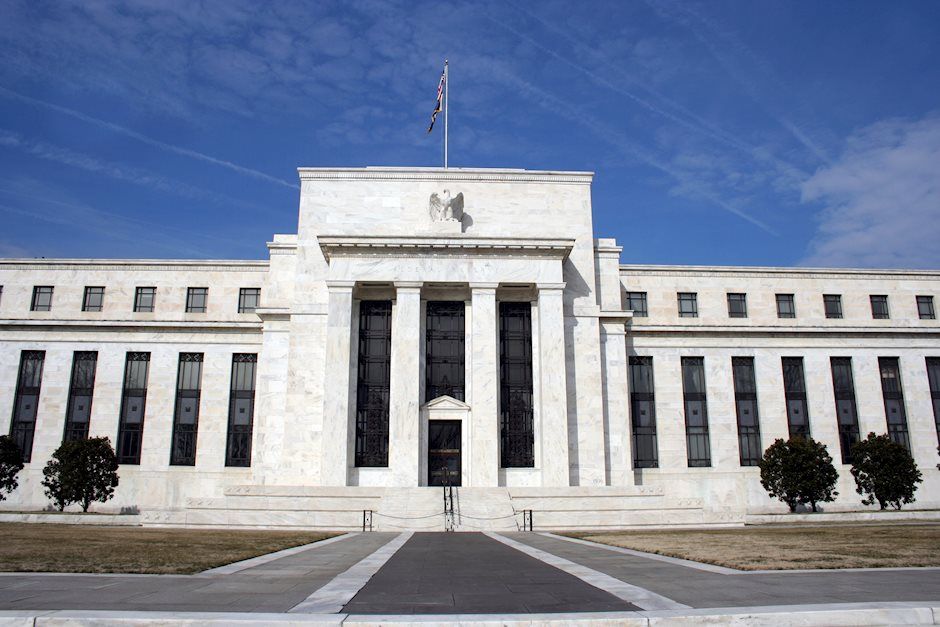

Philip Marey, Senior US Strategist at Rabobank, suggests that while Fed speakers had been careful in their comments on the election outcome, the dot plot has revealed what they really think about the economic consequences.
Key Quotes
“In fact, the data-dependency that was stressed in the statement and Yellen’s press conference is to a large extent Trump-dependency.”
“Despite the Fed’s upward shift in the dot plot, we are skeptical of 3 hikes in 2017. Keep in mind that they expected 4 hikes for 2016 back in December 2015 and we have seen only 1. There are several reasons for our skepticism. First, the implementation lag of infrastructure spending can be considerable. Finding shovel ready projects can be a challenge. Second, the impact of infrastructure spending on GDP growth may also take time. Note that the $305bn highway bill of December 2015 has yet to have a positive impact on GDP growth. Third, the positive impact of the fiscal impulse may be mitigated by the negative fall-out from Trump’s trade policies. Finally, the voting members of the FOMC will be more dovish in 2017 than in 2016, with the three hawkish September dissenters George, Mester and Rosengren losing their voting rights.”
“Therefore, we still expect only one rate hike in 2017, most likely in December. If the fiscal policy impulse hits the economy sooner than we expect, and with more impact, the risks to our forecast lie to the upside. In contrast, if the fiscal impulse disappoints in terms of timing and size, or if trade conflicts bring substantial damage to the US economy, the risks lie to the downside.”
Author
Sandeep Kanihama
FXStreet Contributor
Sandeep Kanihama is an FX Editor and Analyst with FXstreet having principally focus area on Asia and European markets with commodity, currency and equities coverage. He is stationed in the Indian capital city of Delhi.