|

Sources: PNC, JPM putting in final bids for First Republic in FDIC auction
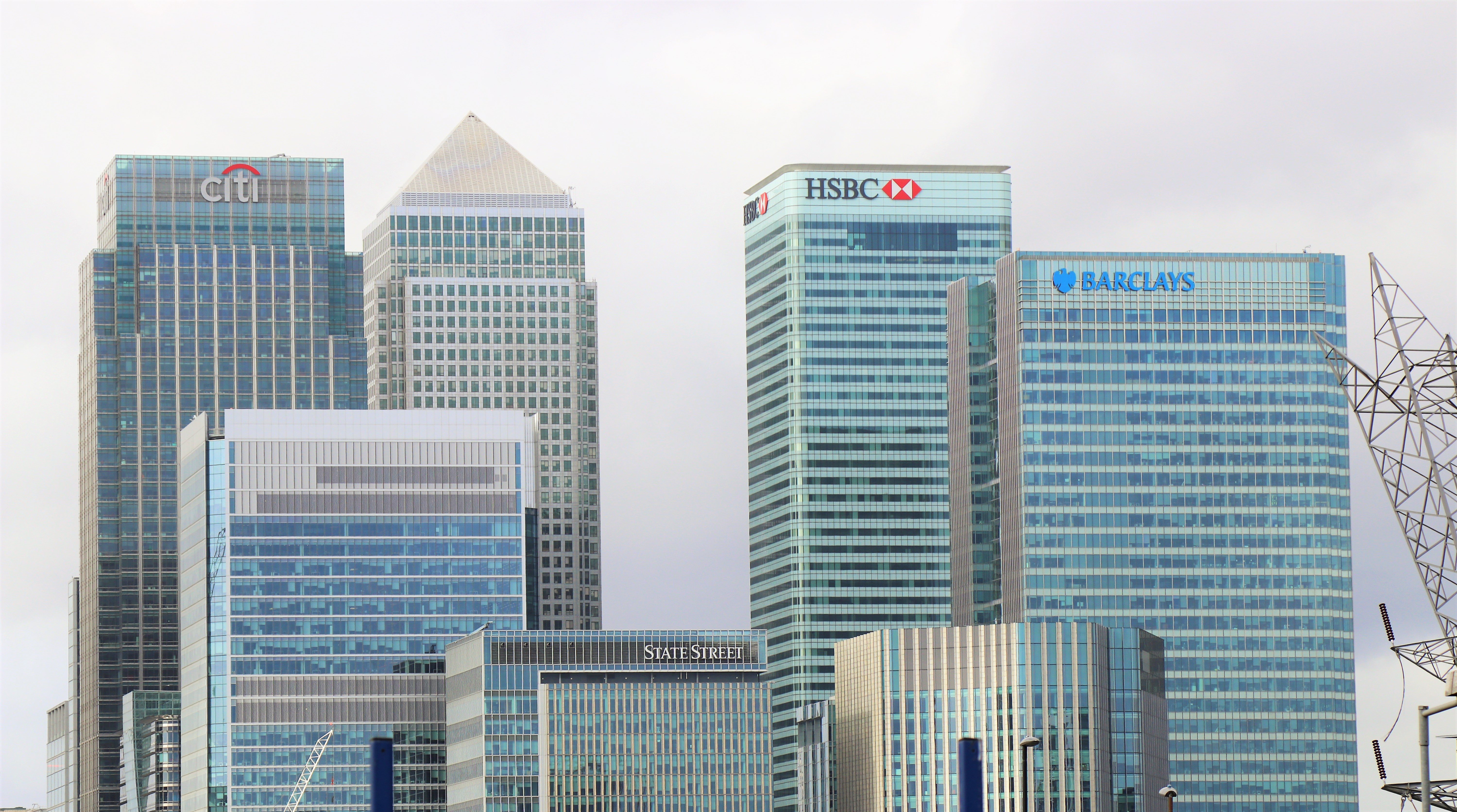
Reuters quotes anonymous sources familiar with the matter while saying, “PNC Financial Services Group and JPMorgan Chase & Co were among banks set to submit final bids for First Republic Bank by midday Sunday in an auction being run by US regulators.”

“Citizens Financial Group Inc was another bidder in the final phase of the process, according to one of the sources familiar with the matter,” adds Reuters.

Three sources familiar with the matter said that the Federal Deposit Insurance Corporation (FDIC) is expected to announce a deal on Sunday night before Asian markets open, with the regulator likely to say at the same time that it had seized the lender.

Additional details

A deal for First Republic would come less than two months after Silicon Valley Bank and Signature Bank failed amid a deposit flight from U.S. lenders, forcing the Federal Reserve to step in with emergency measures to stabilize markets.

While markets have since calmed, a deal for the First Republic would be closely watched for the amount of support the government needs to provide.

In trying to find a buyer before closing the bank, the FDIC is turning to some of the largest U.S. lenders. Large banks had been encouraged to bid for FRC's assets, one of the sources said.

A source familiar with the situation told Reuters on Friday that the FDIC decided the lender's position had deteriorated and there was no more time to pursue a rescue through the private sector.

By Friday, First Republic's market value had hit a low of $557 million, down from its peak of $40 billion in November 2021.

Author

Anil Panchal

Anil Panchal

FXStreet

Anil Panchal has nearly 15 years of experience in tracking financial markets. With a keen interest in macroeconomics, Anil aptly tracks global news/updates and stays well-informed about the global financial moves and their implications.


More from Anil Panchal
Share:

Editor's Picks

GBP/USD edges lower below 1.3650, with eyes on US PCE data

GBP/USD trades with a negative bias below 1.3650 in the European session on Wednesday, eroding a part of the previous day's strong gains. The pair, however, remains within striking distance of a six-month top, set last Friday, as traders keenly await the release of the US Personal Consumption Expenditures (PCE) Price Index data for a fresh impetus.

EUR/USD holds lower ground near 1.1650 ahead of key US data

EUR/USD is holding lower ground toward 1.1650 in Wednesday's European session. The US Dollar is recovering modestly amid profit-taking and Middle East uncertainty. US inflation, tracked by the PCE, and another revision of Q2 GDP data should keep investors entertained on Wednesday.

Gold corrects to near $4,620 in countdown to US PCE Inflation data

Gold price is down 0.75% to near $4,620 during the European trading session. The precious metal corrects as the rally pauses after posting a fresh three-month high at $4,697 the previous day, with investors turning cautious ahead of the United States Personal Consumption Expenditure Price Index (PCE) data for July at 12:30 GMT and Federal Reserve Chairman Kevin Warsh’s commentary at the Jackson Hole Symposium.

Hyperliquid eyes record high on rising revenue, ETF inflows

Hyperliquid (HYPE) is up 4% with bulls aiming to advance last week’s 43% gains to a fresh record high above $83.30. The “Everything Exchange” is gaining institutional and user demand, with Exchange Traded Funds recording daily inflows of over $5 million in each of the last two days, while printing daily revenue of over $2.75 million over the last seven days.

US core PCE inflation set to keep pressure on the Federal Reserve to hike interest rates

The United States Bureau of Economic Analysis is expected to publish the Personal Consumption Expenditures (PCE) Price Index data for July on Wednesday, at 12:30 GMT. PCE inflation data for July is expected to reveal that price pressures remain high, well above the Fed’s 2% target.

Canada hits US goods with tariffs; The rate market sees a problem
On September 8, Canada begins charging its own importers 15%, 25% and 50% on roughly 700 lines of American goods. The measure is billed as dollar for dollar, and on the arithmetic of covered trade it is. What it is not is a tax on the United States.















