|

Inflation could flare up again under a new Trump administration – Nomura
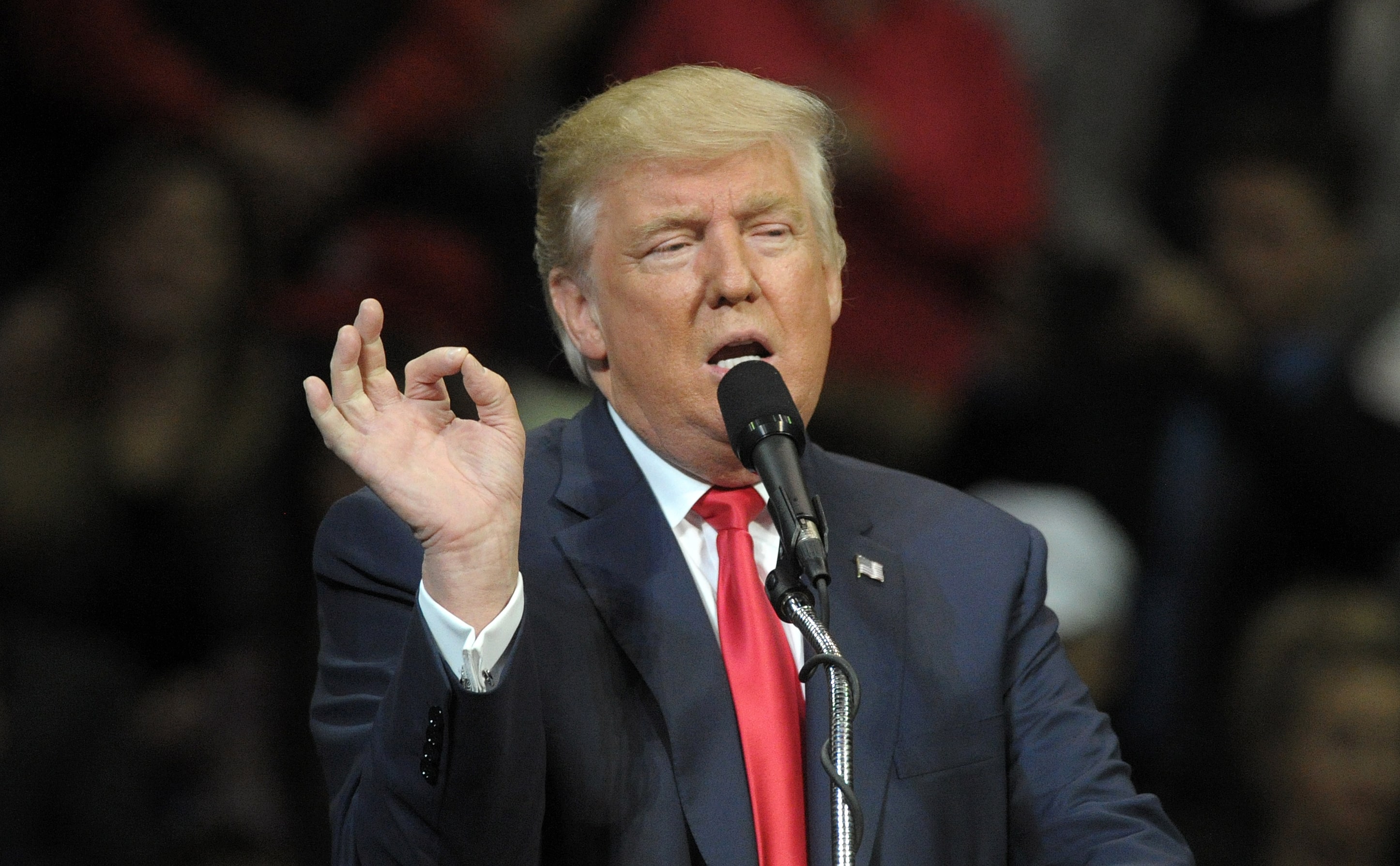
The November 2024 US presidential election looks likely to be a contest between the same people as in the previous one in 2020, with President Joe Biden as the Democratic Party candidate and former President Donald Trump as the Republican Party candidate. Under a Trump presidency, economists at Nomura would expect a flare-up in inflation, the abandonment of moves toward carbon neutrality, and heightened geopolitical risk.

Major market implications from policy about-face in event of second Trump presidency

Should President Biden be re-elected, the risk exists of frequent standoffs over the debt ceiling or a government shutdown, but our main scenario for overall policy is a continuation of the status quo. Should Mr Trump return to the White House, however, we think the market implications of policy shifts would be major.

We think that a major consequence of a second Trump presidency would be renewed upward pressure on inflation. In addition to Mr. Trump’s eagerness to lower the corporate tax rate and other taxes, we would also expect (1) the nomination of a dovish chair of the Board of Governors of the Federal Reserve System (2026), (2) protectionist trade policies (higher import costs), and (3) moves to halt the influx of migrants (supporting higher wages). We would also expect a rewinding of the support for decarbonization and renewable energy that has been advanced by the Biden administration. Furthermore, diplomatically, we think global geopolitical risks could grow if a Trump administration were to pursue isolationism.

Author

FXStreet Insights Team

The FXStreet Insights Team is a group of journalists that handpicks selected market observations published by renowned experts. The content includes notes by commercial as well as additional insights by internal and external analysts.


More from FXStreet Insights Team
Share:

Editor's Picks

EUR/USD gains traction to near 1.1800 as tariff uncertainty weighs on US Dollar

The EUR/USD pair holds positive ground around 1.1795 during the early Asian session on Tuesday. The US Dollar weakens against the Euro amid US tariff uncertainty. The release of the US January Producer Price Index report will be in the spotlight later on Friday. 

GBP/USD treads water near 1.3500 as BoE-Fed divergence debate stalls

GBP/USD spent Monday spinning in place as market participants await a fresh catalyst to break the pair out of its recent range. The BoE's February hold came with a surprisingly dovish 5-4 split, and UK Consumer Price Index data last week showed inflation easing to 3.0%, reinforcing the case for earlier rate cuts, with most economists now looking to April or March for the next move. 

Gold falls below $5,200 amid pullback from monthly highs

Gold price is back under the $5,200 level in the Asian session on Tuesday, pulling back from the highest level in four weeks reached at $5,250 earlier on. The Gold price upsurge was fuelled by heightened geopolitical tensions and global trade uncertainty following US tariff decisions. However, an improvement in risk sentiment and a fresh US Dollar upswing trigger a corrective decline in the yellow metal. 

Solana DeFi platform Step Finance to close operations following treasury hack

The Solana based decentralized finance platform Step Finance announced it will end all operations effective immediately following a breach that drained its treasury.

Supreme Court nixes tariffs, Trump teases 15% global tariff

On February 20th, the Supreme Court ruled that Trump’s global tariffs under IEEPA authority were unconstitutional, effectively nullifying the framework. However, the relief was short-lived. Within hours, Trump floated a 15% blanket tariff under an alternative legal authority.

XRP recovers slightly as bearish sentiment dominates crypto market

Ripple is rising above $1.40 at the time of writing on Monday amid fresh tariff-triggered headwinds in the broader cryptocurrency market. The sell-off to $1.33, the token’s intraday low, can be attributed to macroeconomic uncertainty, geopolitical tensions and risk-averse sentiment among other factors.