Helicopter money, what helicopter money? - Nomura
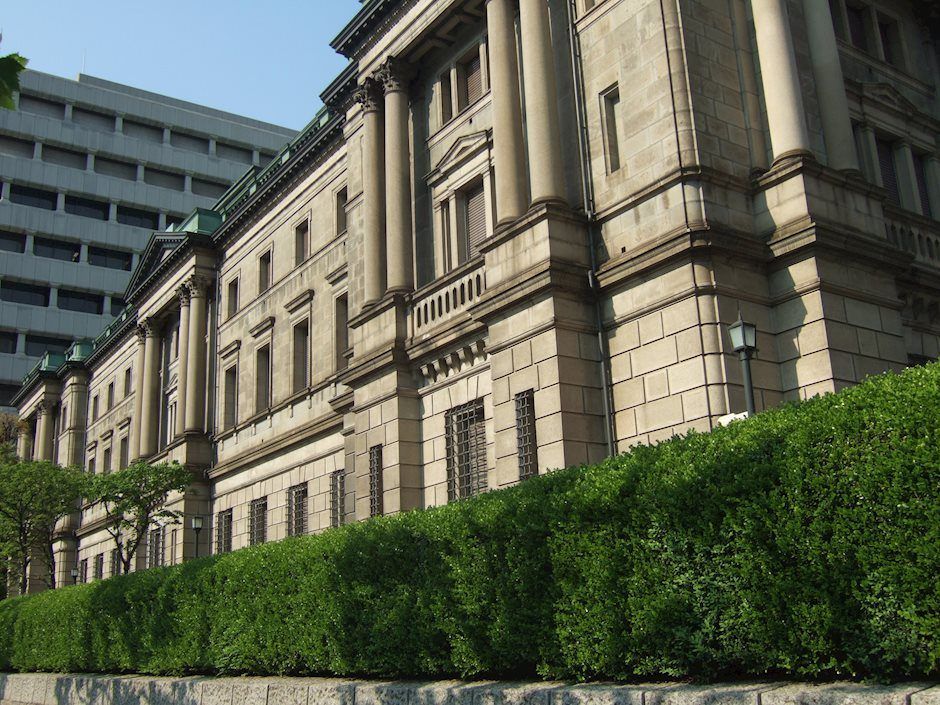

Analysts at Nomura explained that now that the BOJ's "comprehensive assessment" is out of the way, the market appears to have lost some of its interest in Japanese monetary policy.
Key Quotes:
"The debate about the use of helicopter money, which intensified in Japan as the limits of the BOJ's monetary policies became apparent, has cooled down. However, as long as an effective way of breaking the Japanese economy out of low growth remains is not found, we see a risk that pressure for the use of helicopter money may increase not only from the market but also from the general public, especially low-income earners.
We think that, as an alternative to trying to stimulate the economy by increasing fiscal spending, including the possible use of helicopter money, the government could try to win people’s support by redistributing income from high-income to low-income earners. In the US a number of redistribution policies were promoted in the 1930s following the Great Depression, including the undistributed profits tax, a more progressive income tax, and higher wealth taxes.
We consider the impact of such policies in this report. Smooth redistribution of income hard to envision Judging by the experience of Korea, Taiwan, and the US, taxes on undistributed profits tend to encourage higher dividend payout ratios. However, in Japan equities and investment trusts tend to account for a higher proportion of high-income households' financial assets than that of low-income households. In addition, some of the dividends might find their way overseas. Therefore, we think dividend increases and accompanying rises share prices would be unlikely to benefit low-income earners.
We estimated the likely impact of higher income taxes on consumption expenditure, using 2015 data on household disposable income and assuming that the redistribution was completed in the same tax year. In practice, however, any increase in income tax would be more likely to be spread over a number of years, in which case the impact in any one year would be limited.
As far as wealth taxes are concerned, we think an increase could have a conspicuous effect, given that the number of rental housing construction starts rose in response to the effective increase in the inheritance tax in 2015, and that every year for the past 10 years just over ¥10trn in assets has been subject to inheritance tax. However, we think the government is unlikely to impose substantially higher wealth taxes as we would expect considerable resistance to this and the discussions about it have not reached any conclusions.
Any redistribution of income unlikely to be anything more than an expedient While it remains to be seen whether such measures would even be feasible, making an effort to press ahead with redistribution of income might help to fend off calls for the use of helicopter money. However, even if such measures were adopted, we think they would probably have only a limited impact on economic growth."
Author
Ross J Burland
FXStreet
Ross J Burland, born in England, UK, is a sportsman at heart. He played Rugby and Judo for his county, Kent and the South East of England Rugby team.