Fed’s Evans: Should raise rates to 2.25%-2.5% neutral range 'expeditiously'
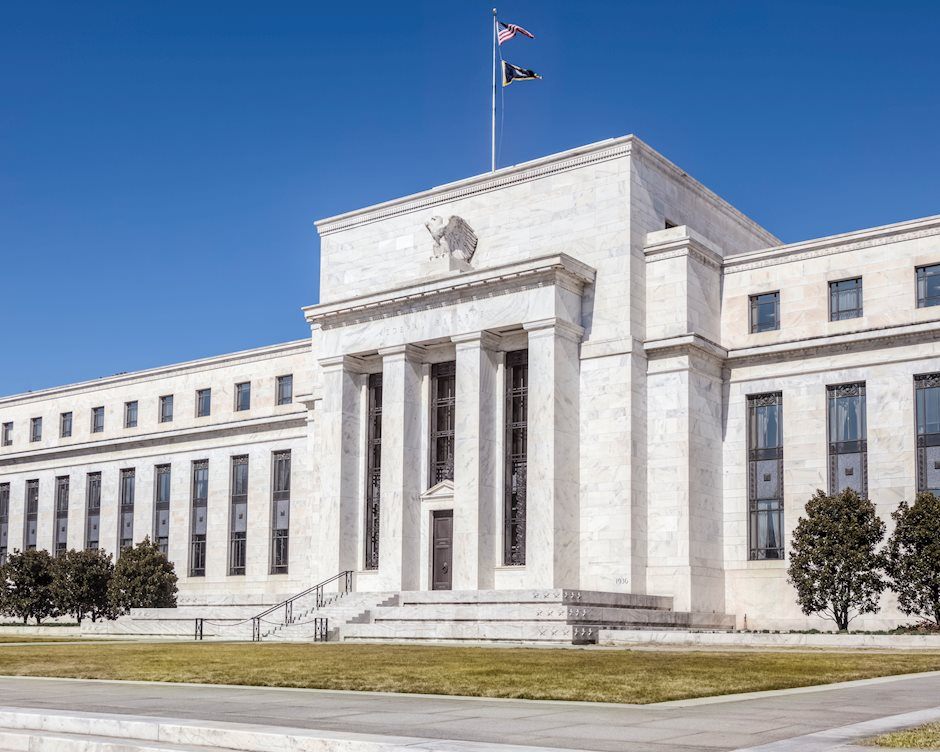

Chicago Fed President Charles Evans on Wednesday said, per Reuters, “(the Fed) Should raise rates to 2.25%-2.5% neutral range 'expeditiously'.”
Additional comments
Favors 'front-loaded' interest rate hikes.
After front-loading rate hikes, hopeful we can transition to more measured pace.
Measured pace would give time to monitor supply chains, evaluate impact of tighter policy.
May need to take policy 'somewhat' above neutral to achieve 2% inflation goal.
Inflation is clearly much too high.
Modestly restrictive stance will still be consistent with growing economy.
US. economic momentum 'strong,' labor market 'downright tight'.
Expect substantial deceleration of core inflation as pandemic-related price pressures ease.
Monetary policy has critical role in addressing broad-based runup in prices, keeping expectations in check.
Market reaction
EUR/USD remains unaffected by the news as it continues to grind higher around 1.0550 at the latest.
Read: EUR/USD seeks fresh clues around 1.0550 after the biggest daily gain in two months
Additional comments
I believe inflation will be 3% or less by 2023.
Underlying inflation is currently around 4% to 4.5%.
The short-term neutral rate may be greater than the long-run neutral rate.
If inflation is not responding to tighter policy to the degree needed then "we are going to continue working on it".
My colleagues and I have been pretty clear when we have said we are going to move the Fed Funds rate towards neutral in an expeditious fashion.
I think the front loading is pretty much in process.
As long as inflation looks like its high and its trajectory is high the FOMC is going to say policy is not restrictive and will keep going.
Its time to adjust our balance sheer back to a more normal setting.
I wouldn't say that involves a full round trip in its size.
Author
Anil Panchal
FXStreet
Anil Panchal has nearly 15 years of experience in tracking financial markets. With a keen interest in macroeconomics, Anil aptly tracks global news/updates and stays well-informed about the global financial moves and their implications.