|

EUR/GBP breaks above 0.8650 to highest level in a year

  • Technical factors and a weaker pound boost EUR/GBP to highest since May 2021.
  • Cross breaks multi-day range and soars.
  • UK data below expectations, BoE decision on Thursday.
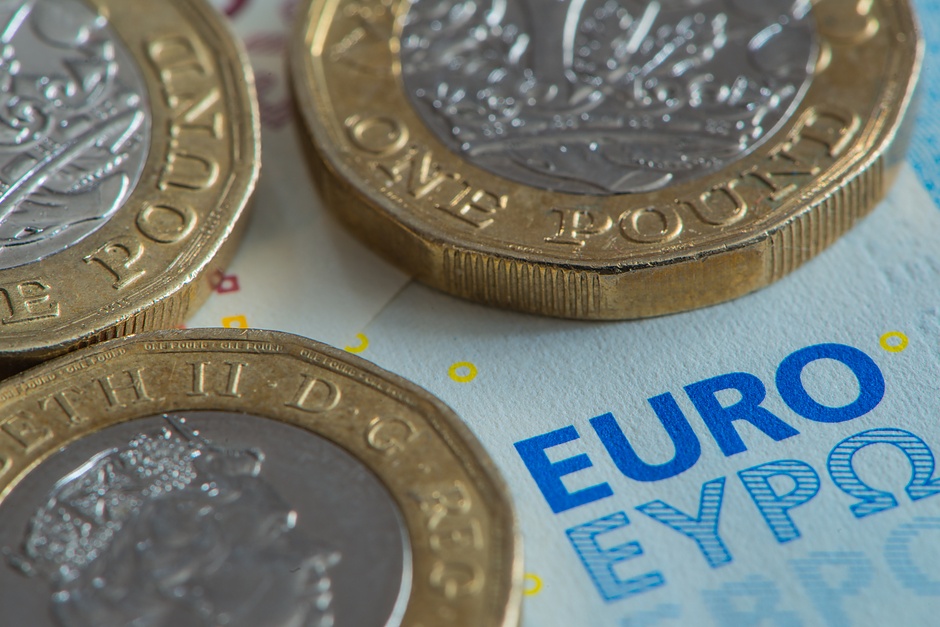
The EUR/GBP broke a multi-day range and jumped to 0.8681, reaching the highest level since May 2021. The cross has gained almost a hundred pips on Tuesday, rising for the third consecutive day. The euro is also advancing versus the Swiss franc on Tuesday. EUR/CHF climbed above 1.0420, reaching the highest level since June 9.

The break of the critical resistance area of 0.8600 and also above 0.8650 boosted the euro further to the upside. The next level to watch now is 0.8700. The bullish tone in EUR/GBP will remain in place while above 0.8600.

Economic data from the UK came in below expectations with the unemployment rate rising unexpectedly to 3.8%. The figures contributed to weakening the pound ahead of the Bank of England (BoE) on Thursday.

The central bank is expected to raise the key rate by 25 basis points to 1.25%. “There won’t be updated macro forecasts until the next meeting on August 4. WIRP suggests around 35% odds of a 50 bp move, down from over 50% at the start of this week. However, odds of 50 bp moves at the August 4 and November 3 meetings have risen,” explained analysts at Brown Brothers Harriman. The pound remains under pressure despite tightening expectations.

Technical levels

EUR/GBP

Overview
Today last price0.8659
Today Daily Change0.0081
Today Daily Change %0.94
Today daily open0.8578
 
Trends
Daily SMA200.8518
Daily SMA500.8449
Daily SMA1000.841
Daily SMA2000.8443
 
Levels
Previous Daily High0.8594
Previous Daily Low0.8532
Previous Weekly High0.8592
Previous Weekly Low0.8486
Previous Monthly High0.8619
Previous Monthly Low0.8367
Daily Fibonacci 38.2%0.857
Daily Fibonacci 61.8%0.8555
Daily Pivot Point S10.8541
Daily Pivot Point S20.8505
Daily Pivot Point S30.8479
Daily Pivot Point R10.8604
Daily Pivot Point R20.863
Daily Pivot Point R30.8666

Author

Matías Salord

Matías started in financial markets in 2008, after graduating in Economics. He was trained in chart analysis and then became an educator. He also studied Journalism. He started writing analyses for specialized websites before joining FXStreet.


More from Matías Salord
Share:

Editor's Picks

EUR/USD clings to gains around 1.1800

EUR/USD manages to regain composure and retests the 1.1800 region in quite a positive start to the week. The pair’s bounce follows the US Dollar’s offered stance post-SCOTUS ruling ahead of important US data and Fedspeak on Tuesday.

GBP/USD looks stuck around 1.3500 amid firm gains

GBP/USD is pushing further north on Monday, revisiting the 1.3500 hurdle and beyond. Cable’s uptick is largely being fuelled by the broader softness in the Greenback, amid lingering uncertainty around tariffs.

Gold pops above $5,200, four-week highs

Gold is holding onto its bullish tone on Monday, reaching new multi-week highs just past the $5,200 mark per troy ounce. Fresh trade-war concerns, coupled with rising geopolitical tensions in the Middle East, are keeping demand for the yellow metal well on the rise.

Ethereum Price Forecast: BitMine's holdings reach 4.42 million ETH as Fundstrat predicts 87% win-ratio

Ethereum (ETH) treasury firm BitMine Immersion Technologies (BMNR) scooped up 51,162 ETH last week, marking its largest purchase since December.

Supreme Court nixes tariffs, Trump teases 15% global tariff

On February 20th, the Supreme Court ruled that Trump’s global tariffs under IEEPA authority were unconstitutional, effectively nullifying the framework. However, the relief was short-lived. Within hours, Trump floated a 15% blanket tariff under an alternative legal authority.

XRP recovers slightly as bearish sentiment dominates crypto market

Ripple is rising above $1.40 at the time of writing on Monday amid fresh tariff-triggered headwinds in the broader cryptocurrency market. The sell-off to $1.33, the token’s intraday low, can be attributed to macroeconomic uncertainty, geopolitical tensions and risk-averse sentiment among other factors.