|

China's CPI steadies at 0.7% m/m in September, meets estimates

According to the latest data published by China’s the National Bureau of Statistics (NBS), the Chinese Consumer Price Index (MoM) (September) stod unchanged at +0.7% vs +0.7% exp while Consumer Price Index (YoY) (September) 2.5% vs 2.5% exp and 2.3% last.

Meanwhile, China’s Producer Price Index (YoY) (September) arrived at 3.6% vs 3.5% exp and 4.1% last.

Key Details (via Reuters):

“Prices of raw materials rose 7.3 percent in September from a year earlier, down from a 7.8 percent increase in August, according to the statistics bureau.

The core consumer price index, which strips out volatile food and energy prices, rose 1.7 percent year-on-year, compared with 2.0 percent in August.

The food price index increased 3.6 percent in September, up sharply from the 1.7 percent annual gain in September, due to extreme weather conditions such as seasonal typhoons, heavy rains and hailstorms. “

About China CPI

The Consumer Price Index is released by the National Bureau of Statistics of China. It is a measure of retail price variations within a representative basket of goods and services. The result is a comprehensive summary of the results extracted from the urban consumer price index and rural consumer price index. The purchasing power of the CNY is dragged down by inflation. The CPI is a key indicator to measure inflation and changes in purchasing trends. A substantial consumer price index increase would indicate that inflation has become a destabilizing factor in the economy, potentially prompting The People’s Bank of China to tighten monetary policy and fiscal policy risk. Generally speaking, a high reading is seen as positive (or bullish) for the CNY, while a low reading is seen as negative (or Bearish) for the CNY.

Author

Dhwani Mehta

Dhwani Mehta

FXStreet

Residing in Mumbai (India), Dhwani is a Senior Analyst and Manager of the Asian session at FXStreet. She has over 10 years of experience in analyzing and covering the global financial markets, with specialization in Forex and commodities markets.


More from Dhwani Mehta
Share:

Editor's Picks

USD/JPY hovers below 160.50 intervention zone ahead of FOMC decision

USD/JPY remains below the 160.50 intervention zone in the Asian session on Wednesday. Despite the BoJ's rate hike to its highest level since 1995, Japan's borrowing costs remain significantly lower than the US, undermining the Japanese Yen. However, thpair US Dollar remains on the back foot amid the optimism over the US-Iran peace deal and ahead of the Fed policy decision, weighing on the pair.

AUD/USD holds steady above 0.7050; looks to Fed for fresh impetus

AUD/USD is consolidating above mid-0.7000s in the Asian session on Wednesday as traders await the outcome of a two-day FOMC meeting due later in the day. In the meantime, the optimism over an interim peace deal between the US and Iran keeps the US Dollar bulls on the defensive. This, along with the RBA's hawkish pause on Tuesday, acts as a tailwind for the pair.

Gold holds below 200-SMA as traders await Fed rate-call

Gold preserves weekly gains registered over the past two days, though it remains below a technically significant 200-day SMA through the Asian session on Wednesday. Traders now seem hesitant and are keenly awaiting the highly anticipated Fed rate decision before placing fresh directional bets. In the meantime, the US-Iran interim peace deal keeps the US Dollar on the defensive, acting as a tailwind for the bullion.

Coinbase outlines 'Everything Exchange' vision with planned tokenized stocks and AI advisor

Crypto exchange Coinbase unveiled a broad slate of new products on Tuesday, outlining plans to expand into tokenized equities and AI-powered investment tools in its pursuit of becoming an "Everything Exchange." A centerpiece of the roadmap is Coinbase's planned launch of tokenized US equities for customers outside the United States.

The most important event will be the Fed meeting with Mr. Warsh now in charge

The most important event will be the Fed meeting on Wednesday, with Mr. Warsh now in charge. As more than one analyst points out, the case for holding rates the same is strengthened by the Iran deal and the prospect of the Strait re-opening, although nobody thinks Warsh can marshal enough doves to do a cut this time.

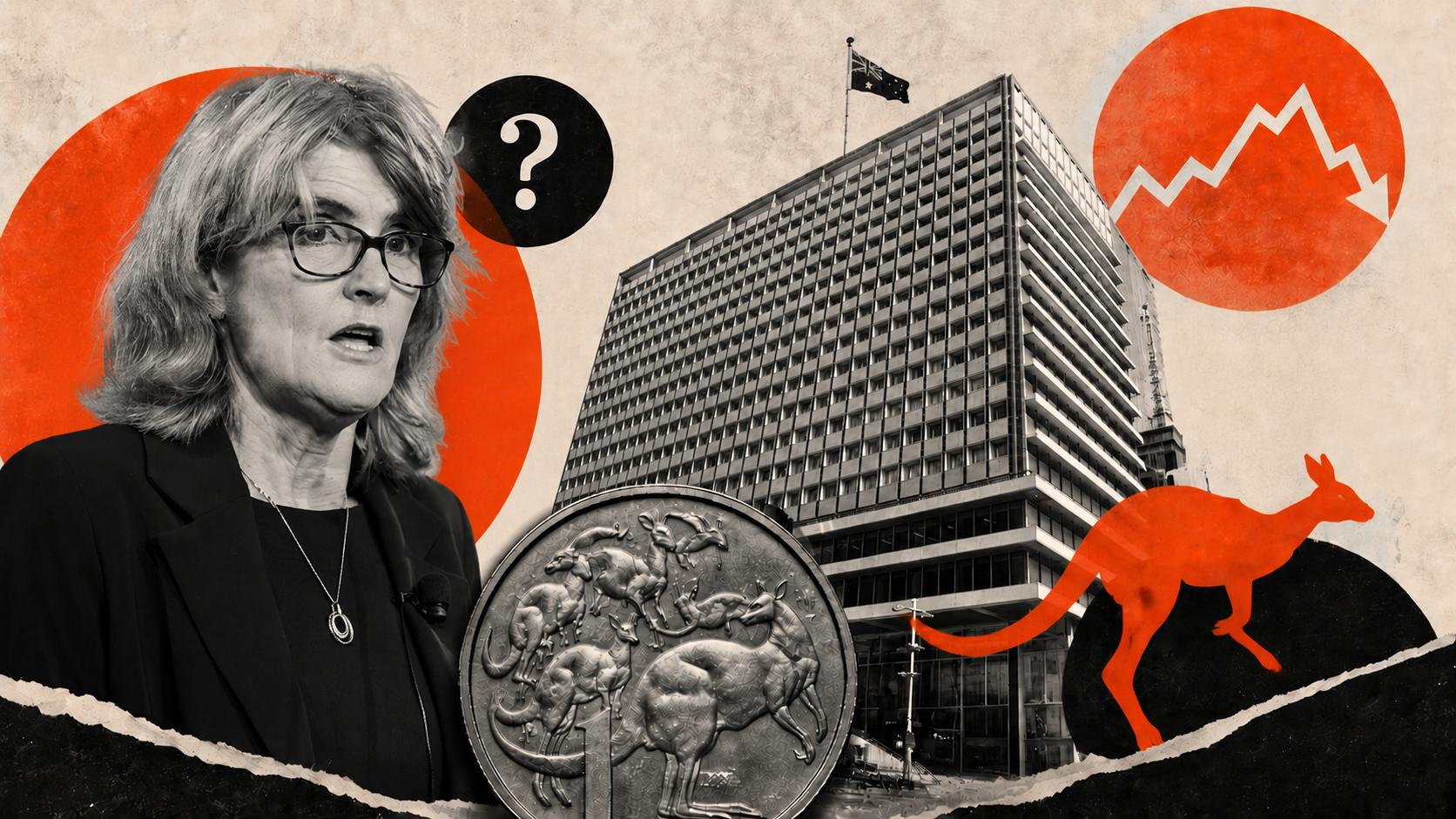
Why a hawkish RBA is no longer enough to lift the Australian Dollar

The Reserve Bank of Australia delivered more than what markets expected: a hawkish hold that should have supported the Aussie. But markets widely ignored it, focusing instead on slowing economic growth and proving that central bank messaging alone isn’t always enough to drive currencies.