BoC: Spillover effects from recent stress in the banking sector have been limited
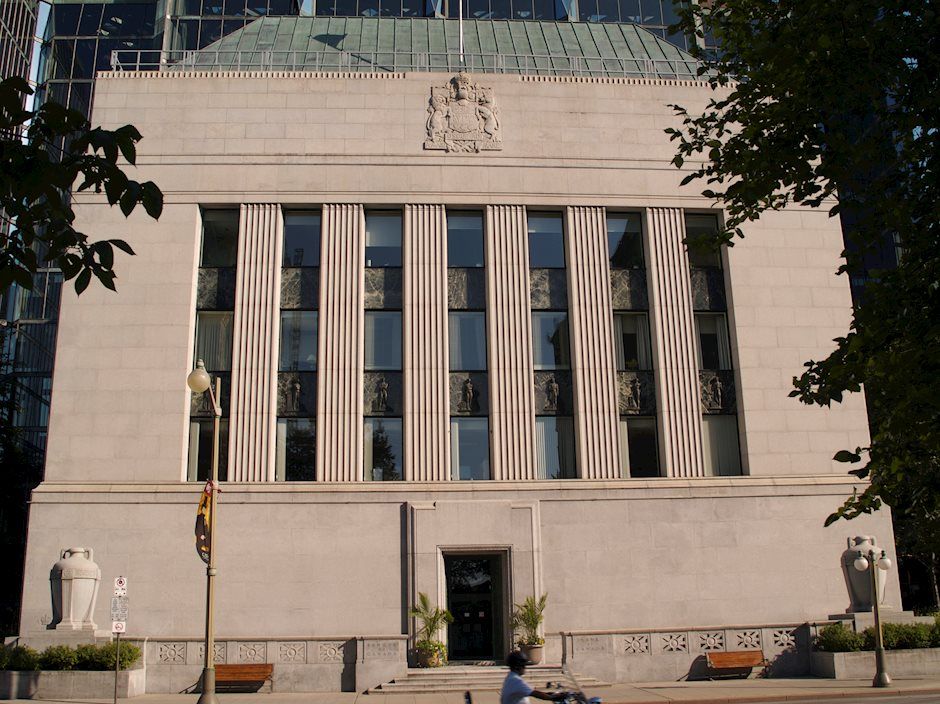

The Bank of Canada (BoC) has released its Financial System Review, which expresses increased concern compared to last year about the ability of households to pay their debts. In the document, the BoC noted that the spillover effects on Canada from recent stress in the global banking sector have been limited.
Key takeaways from the Financial System Review—2023:
“Bank funding is becoming scarcer and more expensive.”
“Overall, the banking system in Canada remains robust.”
“A severe recession could lead to credit losses for banks.”
“To date, spillover effects in Canada from the recent stresses in the global banking sector have been limited.”
“Higher global interest rates are increasing funding costs for Canadian banks, both in wholesale markets and through a reduction in demand deposits.”
“Future episodes of market stress—if they last long enough—could put additional upward pressure on the cost of funding and reduce banks’ capacity to provide liquidity to market participants.”
“Canadian banks remain robust, but they are not immune to international developments. The reliance of Canada’s large banks on wholesale funding makes them vulnerable to deteriorating conditions in global financial markets.”
“If the cost of wholesale funding were to rise significantly due to a persistent period of global financial stress, it could lead to Canadian banks tightening lending conditions, making it more difficult and expensive for Canadian households and businesses to access credit.”
“In light of higher borrowing costs, the Bank of Canada is more concerned than it was last year about the ability of households to service their debt. More households are expected to face financial pressure in the coming years as their mortgages are renewed. The decline in house prices has also reduced homeowner equity, and some signs of financial stress—particularly among recent homebuyers—are beginning to appear.”
"To date, spillover effects in Canada from the recent stresses in the global banking sector have been limited.”
Author
Matías Salord
FXStreet
Matías started in financial markets in 2008, after graduating in Economics. He was trained in chart analysis and then became an educator. He also studied Journalism. He started writing analyses for specialized websites before joining FXStreet.