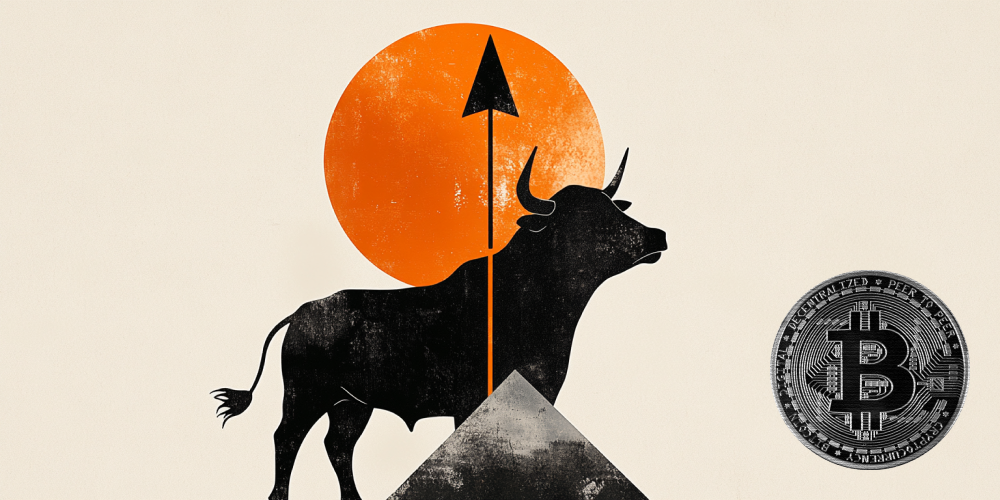
Where to invest: Let´s break down three major asset classes
As voters weigh their options for President, investors are weighing their options among the major asset classes.
As to presidential politics, voters are left with only two options – at least among those who have been allowed into the debates and have a realistic chance of winning. Donald Trump or the Democrat nominee.
After Joe Biden’s debate performance Thursday night, many prominent Democrats are panicking over the 81-year-old incumbent’s verbal struggles and vacant appearance. A panel of liberal commentators on CNN practically begged Biden to step aside now so that Democrats can nominate somebody more viable.
We will have to wait and see what transpires as the Biden campaign descends into turmoil ahead of the Democrats’ nominating convention in August. By November, voters will still be left with a binary choice between a Democrat and a Republican.
Investors, meanwhile, can choose from a myriad of ways to allocate their wealth. But it comes down to three major asset classes.
Firstly, they can own debt obligations. These include bonds, certificates of deposit, money markets, and other vehicles that promise to pay interest denominated in fiat currency.
Secondly, they own businesses or shares in publicly traded companies that have the potential to generate earnings denominated in fiat currency.
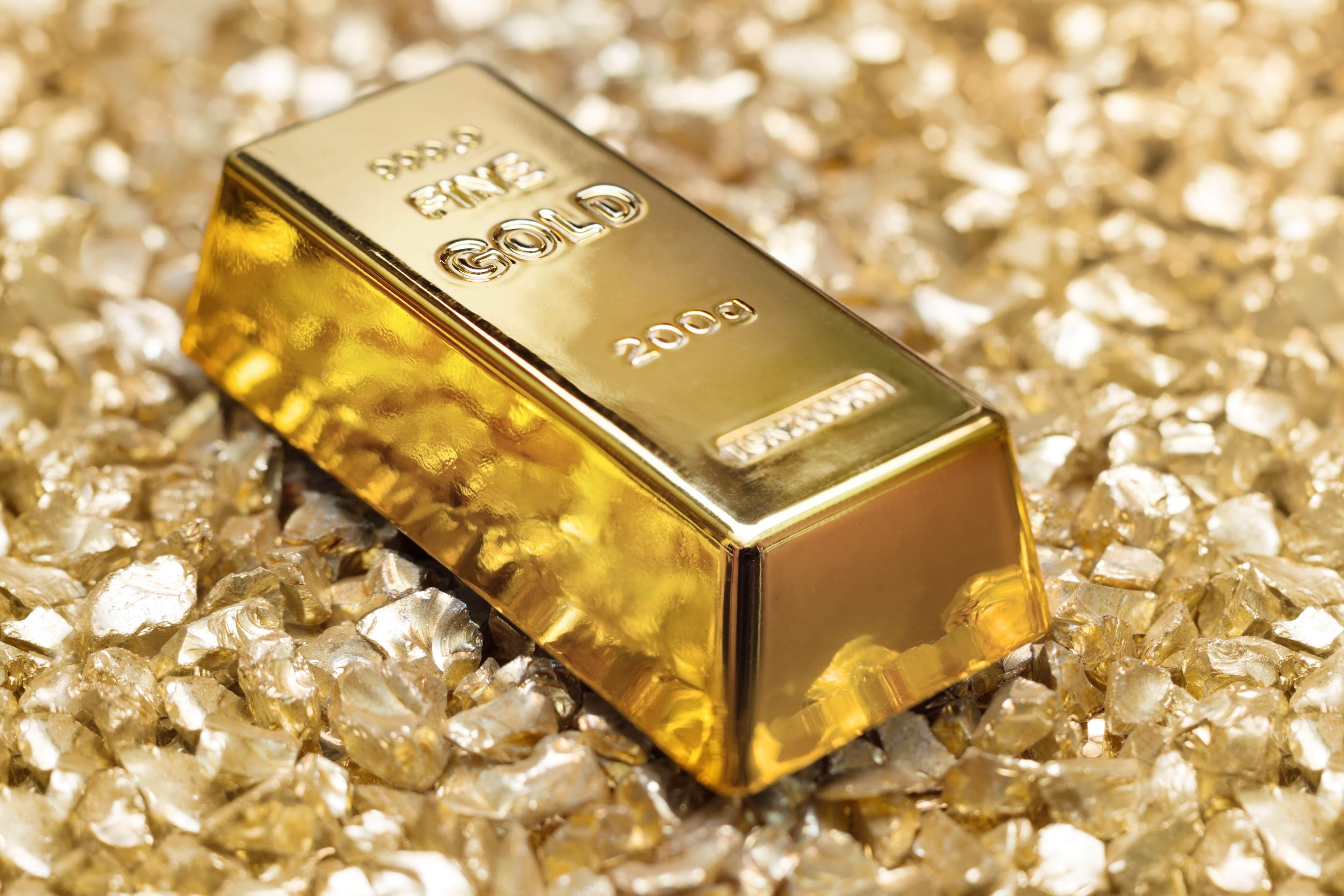
And thirdly, they can own tangible assets. These include land, collectibles, and of course precious metals.
Conventional financial advisors tend to neglect or ignore entirely the benefits of adding hard assets to a well-diversified investment portfolio. But the benefits are clear: precious metals, unlike financial assets, have no counterparty risk. They cannot default or go bankrupt. And their value cannot be inflated away by central bankers.
Far from being a risky investment, gold has proven to be a reliable store of value over time. And far from being a safe investment, bonds have proven to be a losing investment in recent years. Gold has outperformed U.S. Treasuries over the past 1- year, 3-year, 5-year, 10-year, and 20-year periods.
The outlook for government bonds isn’t looking any brighter going forward. Inflation risk, credit risk, and interest rate risk are likely to weigh on returns as federal budget deficits soar with no end in sight.
Investors shouldn’t put much hope in the next administration fixing the nation’s financial problems. If the Democrats stay in power, it will be more of the same. If Trump re-takes the White House, he will inherit a borrow-and-spend trajectory that cannot be reversed without politically impossible cuts to entitlement and defense spending.
That said, the election result will surely have consequences for investors. And while Americans are focused on politics, sound money advocates are aiming to raise awareness of the need for fundamental reform of the monetary system – even if none of the presidential debate moderators want to bring up that topic.
A handful of politicians out there do get it on the issue of unsound fiscal policy being enabled by unsound monetary policy. Could Donald Trump’s running mate be one of them?
Political oddsmakers now put North Dakota governor Doug Burgum as the favorite to be Trump’s pick for Vice President. Until recently, Burgum was little known outside his home state. And in terms of his views on U.S. fiscal and monetary policy, question marks remain.
Burgum has blamed Joe Biden for stoking inflation pressures. The Red State governor wants to cancel some of the Biden spending boondoggles that have ballooned the federal deficit. But it’s not clear whether Burgum favors any meaningful changes to the
Federal Reserve system, which is ultimately responsible for inflating the currency supply.
Governor Burgum has pushed to abolish the state’s income tax entirely. If that were to happen, then exchanging sound money in the form of gold and silver for fiat Federal Reserve notes would no longer trigger any tax consequences at the state level.
To receive free commentary and analysis on the gold and silver markets, click here to be added to the Money Metals news service.
Author

Mike Gleason
Money Metals Exchange
Mike Gleason is a Director with Money Metals Exchange, a national precious metals dealer with over 500,000 customers.