Session timing and volatility: When forex markets actually move
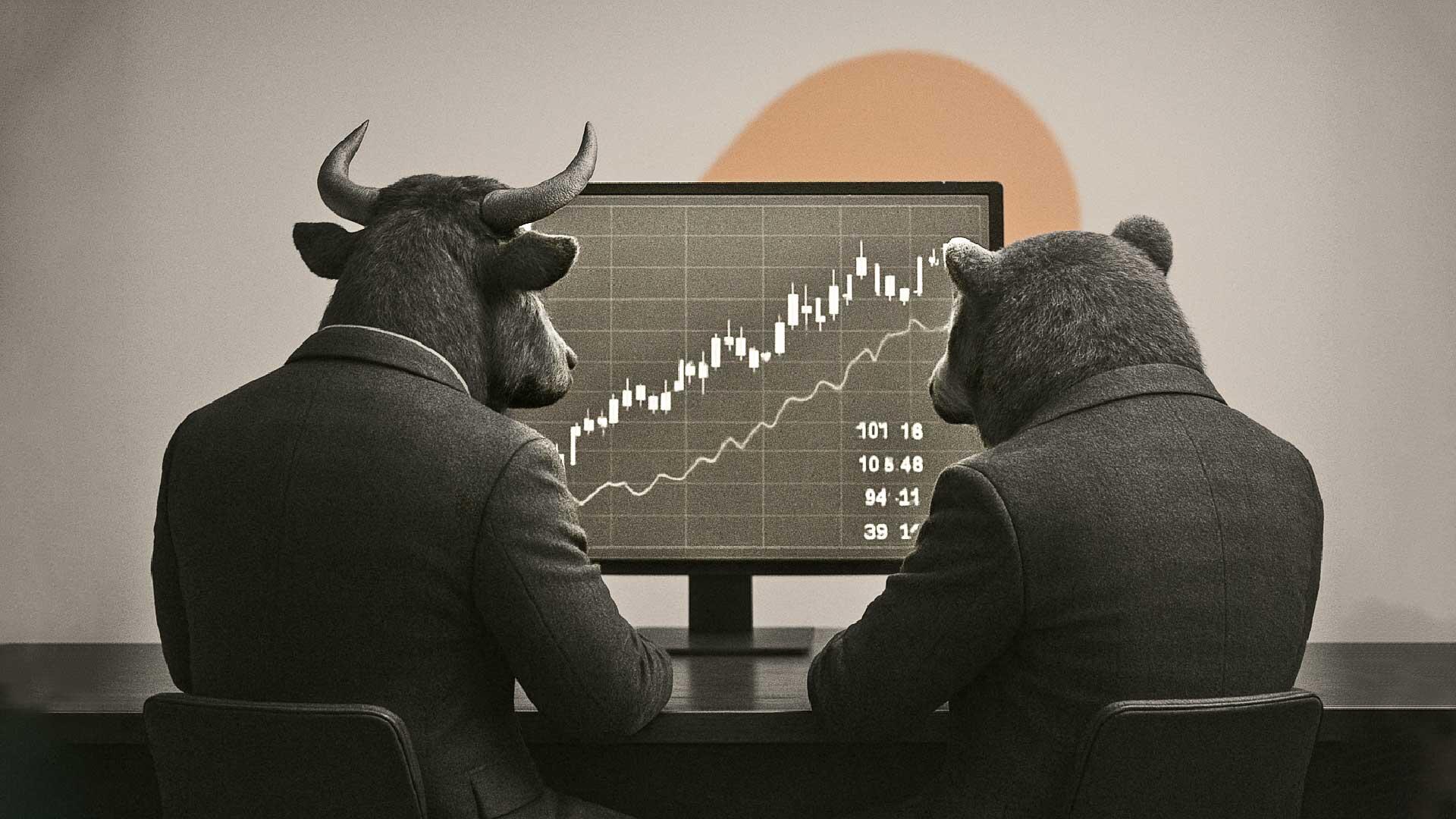
Understanding liquidity, participation, and timing in the 24-hour market
Introduction: A 24-hour market that does not move equally
The forex market operates 24 hours a day, five days a week, making it accessible to traders around the world at almost any time. For beginners, this constant availability often creates the impression that opportunity is evenly distributed throughout the trading day.
In reality, forex markets do not move uniformly. Liquidity, volatility, and directional price behavior vary significantly depending on which global financial centers are active. Understanding session timing is therefore not a minor detail—it is a structural component of professional trading.
This article explains how forex trading sessions work, why volatility clusters around specific hours, and how traders can align their activity with periods of meaningful market participation.
The three major forex trading sessions
Forex trading follows the global business day as it moves across time zones. Activity is generally divided into three primary sessions:
- Asian session
- European session
- North American session
Each session reflects the participation of major financial institutions, corporations, and central banks within that region. As participation changes, so do liquidity conditions and price behavior.
The Asian session: range-bound and selective
The Asian session is typically the first major session of the trading day. It is dominated by participation from financial centers such as Tokyo, Sydney, and Singapore.
Key characteristics include:
- Lower overall liquidity compared to later sessions
- More range-bound price action in many major pairs
- Increased relevance for pairs involving JPY, AUD, and NZD
While large directional moves are less common during this session, it can establish important intraday ranges and provide early signals for later volatility.
For many traders, the Asian session is better suited for range-based strategies rather than momentum-driven approaches.
The European session: liquidity and direction
The European session marks a significant increase in market participation. London, in particular, plays a central role in global currency trading.
Key characteristics include:
- High liquidity and tighter spreads
- Increased volatility and trend formation
- Strong reaction to economic data and news
Many of the most significant daily moves in forex occur during the European session, especially in major pairs such as EUR/USD and GBP/USD.
This session is often where directional bias becomes clearer as institutional participation increases.
The North American session: volatility and resolution
The North American session overlaps with the latter part of the European session, creating the most liquid period of the trading day.
Key characteristics include:
- Peak liquidity during the overlap with Europe
- Strong reaction to US economic data
- Increased volatility and potential trend continuation or reversal
US dollar pairs are particularly active during this period, and many intraday moves are either confirmed or reversed as North American participants enter the market.
After the European session closes, volatility typically declines, and markets may consolidate.
Why session overlaps matter
Session overlaps represent periods when multiple major financial centers are active simultaneously. This concentration of participation leads to:
- Higher trading volume
- Faster price discovery
- More reliable breakouts and follow-through
The overlap between the European and North American sessions is widely regarded as the most active and liquid window in the forex market.
Professional traders often focus their trading activity around these overlaps rather than attempting to trade continuously throughout the day.
Volatility is a function of participation
Volatility is not random. It increases when more participants are active and decreases when participation declines.
Common drivers of session-based volatility include:
- Scheduled economic data releases
- Central bank communications
- Institutional order flow
- Market positioning and risk sentiment
Understanding when these forces are most likely to interact helps traders avoid low-quality trading environments.
Aligning trading style with session timing
Different trading styles align better with different sessions:
- Range-based strategies may perform better during lower-volatility periods
- Breakout and momentum strategies typically require high-liquidity sessions
- News-driven trading depends heavily on the timing of economic releases
Rather than forcing trades throughout the day, professional traders select sessions that match their strategy and risk tolerance.
Common mistakes related to session timing
Many beginners struggle not because of strategy flaws, but because of poor timing. Common issues include:
- Trading low-liquidity hours with high expectations
- Using the same strategy across all sessions
- Ignoring session-specific volatility characteristics
Recognizing that time is a variable in trading, not just price, helps improve consistency and decision quality.
Final thoughts
The forex market may operate around the clock, but meaningful price movement does not occur evenly across time. Liquidity, volatility, and opportunity are concentrated in specific sessions and overlaps driven by institutional participation.
Understanding session timing allows traders to focus their energy on higher-quality market environments rather than forcing activity in unfavorable conditions.
In forex trading, when you trade is often just as important as what you trade.
Author

Vrajeshwari Bhardwaj
SharmaFX
Vrajeshwari Bhardwaj is the founder of SharmaFX, a global trading education and mentorship platform built on an institutional approach to forex, indices, commodities, and crypto markets.