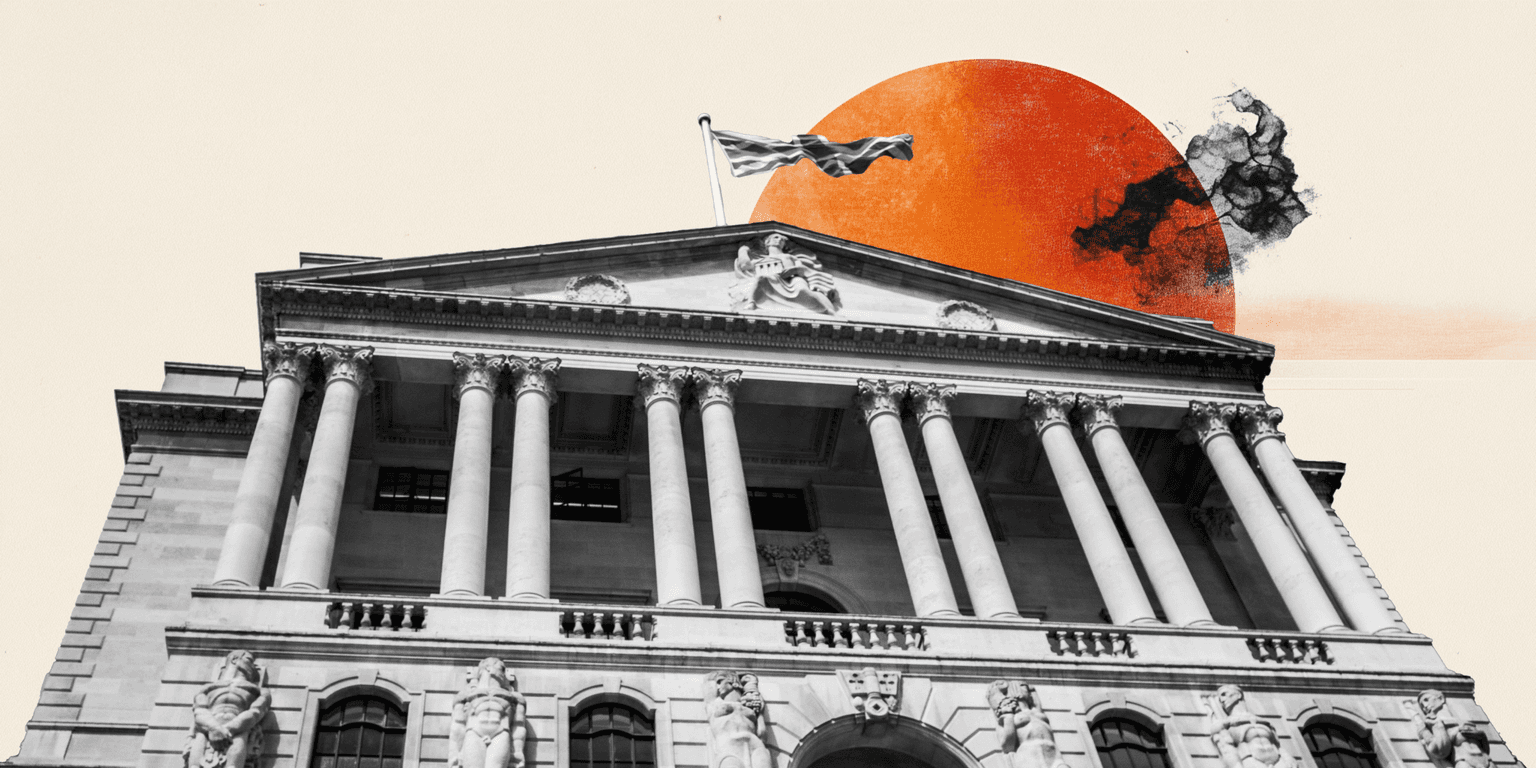
Political crisis in the United Kingdom


After crisis, before crisis
After the political crisis in Italy was almost resolved this week (supporters of the Five Star movement still have to agree to the new coalition), the British government could come under pressure next week. The British Parliament will return from its summer recess on September 3. MPs have already been informed that they will have to take a compulsory break about a week later, which will last until October 14. As this suspension of Parliament is unusually long and in line with Prime Minister Johnson's intention to lead the UK out of the EU by October 31, the domestic battle over Brexit is likely to get tougher next week. The opposition could table a motion of censure against the government. This seems a realistic option. Originally, the opposition wanted to prevent hard Brexit by passing appropriate laws. However, the long suspension of Parliament has greatly reduced the number of session days available until October 31. Should there be a majority in favor of a vote of no confidence, there would then be two weeks to form a new government. Failure to do so would result in new elections. This would bring no clarification regarding Brexit, but it would at least leave the door open for a negotiated withdrawal from the EU. A transitional government would then have to ask the EU for an extension of the deadline. It is questionable whether this will happen and whether the EU would agree. From the EU's point of view, the question of what should change after new elections would certainly be justified, given that Boris Johnson is currently leading the polls. However, there would be hope. If, on the other hand, the motion of censure does not win a majority, the only option would be for either the EU or the UK to give in before October 31, which is unlikely. The next step towards hard Brexit would have been taken. We believe that it is probable that the UK will eventually leave the EU on October 31 without an agreement.
The UK's domestic escalation, which we expect next week, is likely to become the focus of global market attention. This speaks in favor of safe government bonds. Although prices have already risen sharply, further declines in yields could be possible, at least temporarily, if the situation worsens. The euro is likely to remain under pressure against other currencies in this environment, with the possible exception of the British pound.
Author
Erste Bank Research Team
Erste Bank
At Erste Group we greatly value transparency. Our Investor Relations team strives to provide comprehensive information with frequent updates to ensure that the details on these pages are always current.