US President Trump is making a mistake with Kevin Warsh
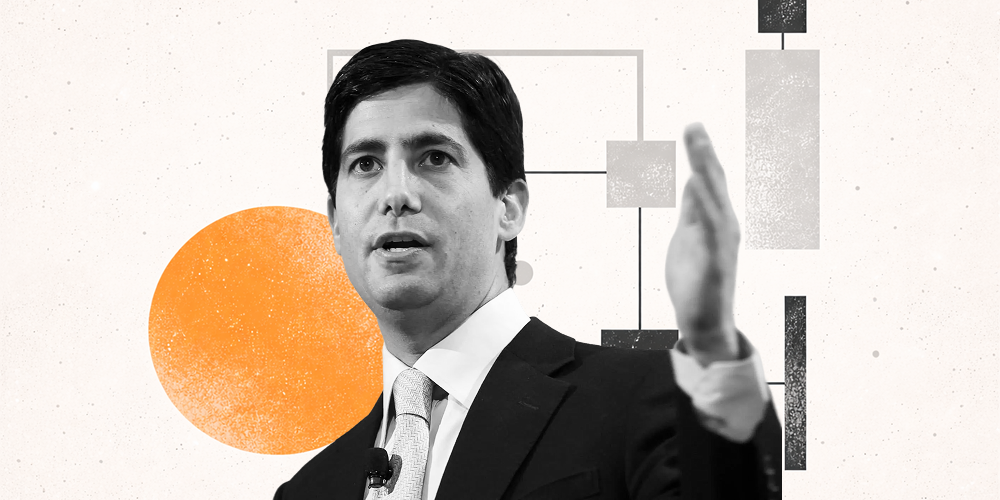
Who is Kevin Warsh? And what will he do to the Fed? These questions are keeping speculative interest awake at night, and are one of the main reasons for the latest market choppiness.
Kevin Warsh is an American financier and bank executive who served as a member of the Board of Governors of the Federal Reserve System from February 2006 to March 2011. Now, Warsh has become US President Donald Trump’s nominee to replace Chair Jerome Powell as the Fed’s Chair.
Warsh has a past in the Fed
President George W. Bush nominated Warsh back in 2006, and he served under Ben Bernanke’s Chair. “Helicopter Ben,” as markets used to call him, conducted quite an aggressive easing monetary policy during the financial crisis, trimming the federal funds rate from 5.25% to a range of 0%-0.25%, while providing massive liquidity to banks.
Back then, the economy was in a completely different scenario: the US faced one of its more severe recessions as a result of the housing bubble that led to the world-spread subprime mortgage crisis.
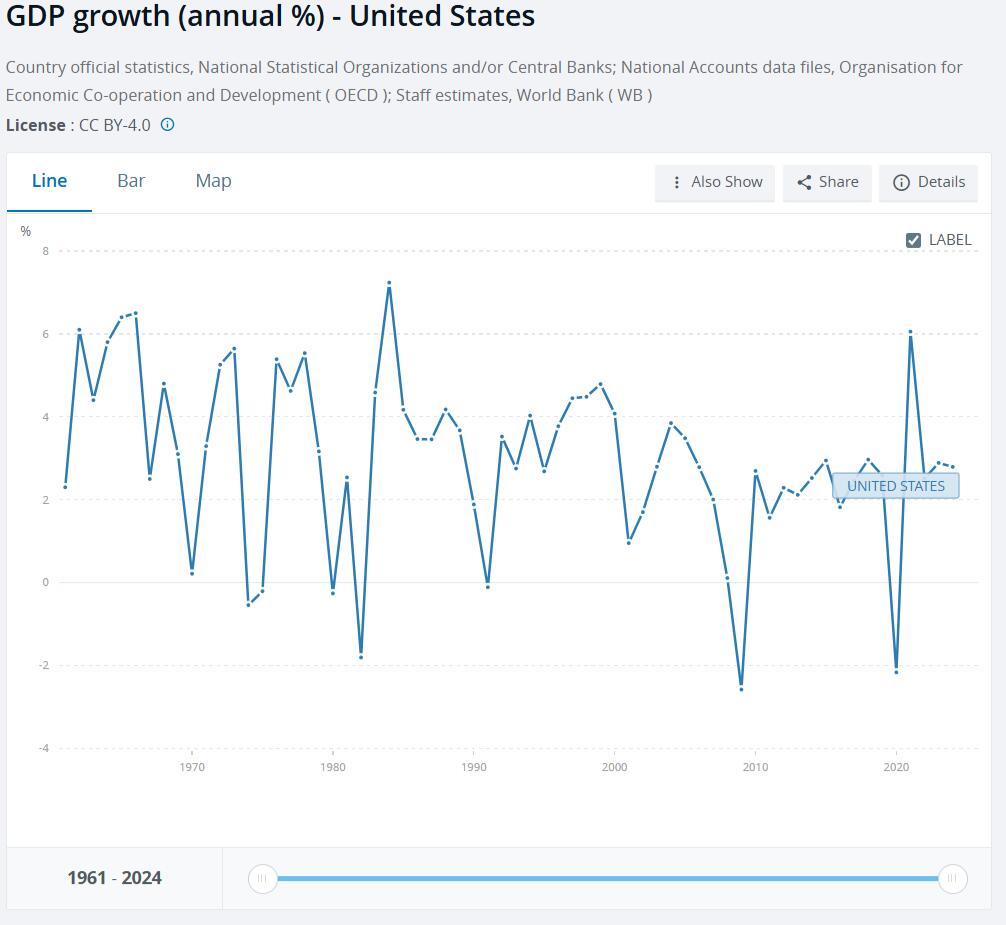
Annualized growth in the United States contracted by 2.6%, while the unemployment rate soared to 10% in the peak of the crisis.
From hawk to…dove?
Bernanke’s policy, and hence, Warsh's decisions, were adapted to the times the economy was living in at the time. And while Bernanke was in favor of keeping the financial monster fed, Warsh was firmly opposed to it. Warsh complained about using US debt back in the 2008-2009 crisis and once again during the 2020 pandemic, noting that continued easing has distorted financial markets and only enriched Wall Street.
Warsh was considered a hawk, as he kept warning about the risks of appearing “too accommodative for too long,” committing to price stability regardless of the potential impact on other government policies. “The Federal Reserve should not–and will not–compromise another kind of stability–price stability–to help achieve other government policy objectives,” Warsh said back in June 2009.
More recently, however, Warsh has shown some signs of dovishness, supporting interest rate cuts. Warsh has advocated for changing the focus from macroeconomic data, which he believes is affected by temporal factors that should not be included, to more long-term “structural factors.”
Warsh flip from hawk to dove, however, may not be enough to pursue his, or President Donald Trump’s goals. Any change he may like to introduce, either on monetary policy or on how to decide the monetary policy, could be ruled out by a FOMC majority. And it seems unlikely that just a Chair change would be enough to drop data as the main base of any decision. It is equally unlikely that all of a sudden, FOMC doves will change course just because the new Chair says so.
Judging Warsh just because of his recent comments and without fully looking at what he did when serving as Federal Reserve Governor is among the most outrageous mistakes US President Trump has made ever since returning to the White House.
Warsh will not be able to please Trump, at least at the pace Trump would like. In the meantime, Wall Street would continue bracing uncertainty, at least until Warsh's policy and leadership are clearer.
Author

Valeria Bednarik
FXStreet
Valeria Bednarik was born and lives in Buenos Aires, Argentina. Her passion for math and numbers pushed her into studying economics in her younger years.