WTI falls to near $72.50 as OPEC+ plans to increase production
- WTI price depreciates as eight OPEC+ members are set to raise production by 180,000 barrels per day next month.
- Crude Oil prices may find support due to supply concerns arising from export disruptions in Libya's Oilfields.
- Oil faces challenges due to weak demand in China and the United States.
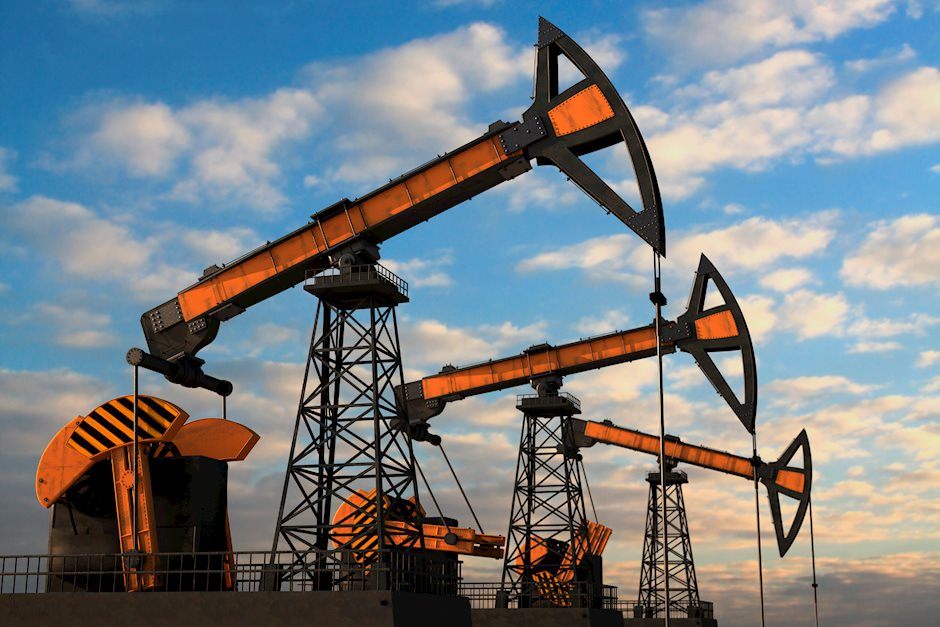

West Texas Intermediate (WTI) Oil price falls for the second successive session, trading around $72.50 per barrel during Monday’s Asian hours. This decline may be linked to the Organization of the Petroleum Exporting Countries and their allies (OPEC+) plans to increase production in the coming quarter.
Reuters reported, citing six sources, that OPEC+ is poised to move forward with a planned increase in Oil output starting in October. Eight OPEC+ members are set to raise production by 180,000 barrels per day (bpd) next month as part of a strategy to begin unwinding their most recent reduction of 2.2 million bpd, while maintaining other cuts until the end of 2025.
However, the decline in crude Oil prices may be limited due to supply concerns stemming from export disruptions in Libya's Oilfields caused by a standoff between factions. Nevertheless, the Arabian Gulf Oil Company has resumed production at up to 120,000 barrels per day to meet domestic demand.
Weak demand in China and the United States (US), the world's two largest Oil consumers, could exert downward pressure on WTI prices. An official survey showed that China's manufacturing activity fell to a six-month low in August, with factory gate prices dropping significantly. This has prompted Chinese policymakers to push forward with plans to increase stimulus for households.
In June, Oil consumption slowed to its lowest seasonal levels in the US since the coronavirus pandemic of 2020, according to data from the US Energy Information Administration (EIA) released on Friday. ANZ analysts noted a potential downside in growth for 2025, influenced by economic challenges in China and the US. They believe OPEC may have to postpone the phase-out of voluntary production cuts if it aims to achieve higher prices.
WTI Oil FAQs
WTI Oil is a type of Crude Oil sold on international markets. The WTI stands for West Texas Intermediate, one of three major types including Brent and Dubai Crude. WTI is also referred to as “light” and “sweet” because of its relatively low gravity and sulfur content respectively. It is considered a high quality Oil that is easily refined. It is sourced in the United States and distributed via the Cushing hub, which is considered “The Pipeline Crossroads of the World”. It is a benchmark for the Oil market and WTI price is frequently quoted in the media.
Like all assets, supply and demand are the key drivers of WTI Oil price. As such, global growth can be a driver of increased demand and vice versa for weak global growth. Political instability, wars, and sanctions can disrupt supply and impact prices. The decisions of OPEC, a group of major Oil-producing countries, is another key driver of price. The value of the US Dollar influences the price of WTI Crude Oil, since Oil is predominantly traded in US Dollars, thus a weaker US Dollar can make Oil more affordable and vice versa.
The weekly Oil inventory reports published by the American Petroleum Institute (API) and the Energy Information Agency (EIA) impact the price of WTI Oil. Changes in inventories reflect fluctuating supply and demand. If the data shows a drop in inventories it can indicate increased demand, pushing up Oil price. Higher inventories can reflect increased supply, pushing down prices. API’s report is published every Tuesday and EIA’s the day after. Their results are usually similar, falling within 1% of each other 75% of the time. The EIA data is considered more reliable, since it is a government agency.
OPEC (Organization of the Petroleum Exporting Countries) is a group of 13 Oil-producing nations who collectively decide production quotas for member countries at twice-yearly meetings. Their decisions often impact WTI Oil prices. When OPEC decides to lower quotas, it can tighten supply, pushing up Oil prices. When OPEC increases production, it has the opposite effect. OPEC+ refers to an expanded group that includes ten extra non-OPEC members, the most notable of which is Russia.
Author
Akhtar Faruqui
FXStreet
Akhtar Faruqui is a Forex Analyst based in New Delhi, India. With a keen eye for market trends and a passion for dissecting complex financial dynamics, he is dedicated to delivering accurate and insightful Forex news and analysis.

















