When are the German ZEW surveys and how could they affect EUR/USD?
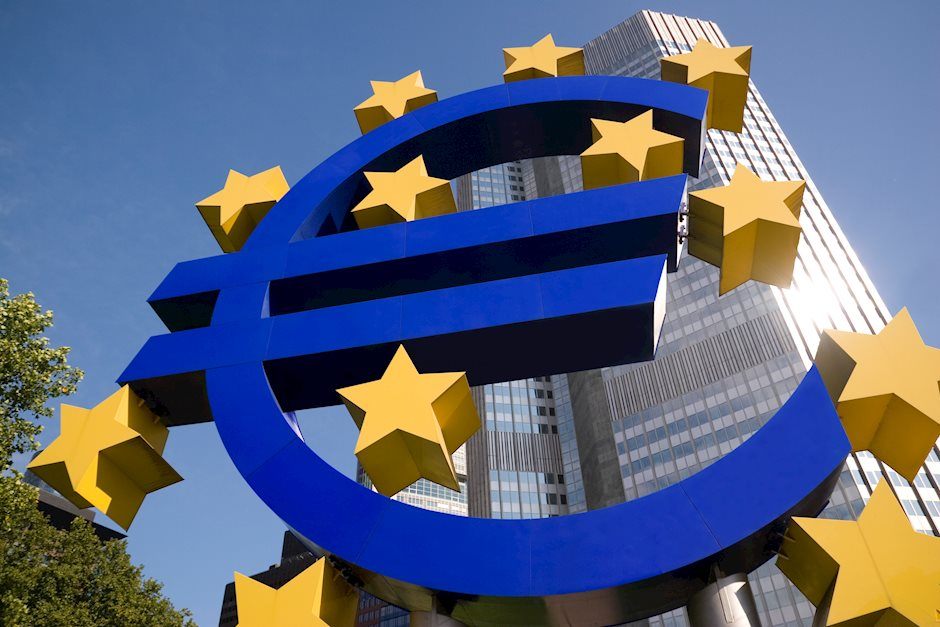

The German ZEW surveys Overview
The ZEW will release its Economic Sentiment Index for the next six months for Germany, as well as the Current Situation Index at 10 GMT in the EU session later today, reflecting institutional investors’ opinions.
The headline economic sentiment index is seen edging higher to 17.8 in January after a 17.4 reading registered in December. While the current situation sub-index is also expected to improve to 89.8 versus 89.3 booked previously.
How could affect EUR/USD?
A positive headline reading may offer fresh impetus to the EUR bulls, sending the EUR/USD back above 1.2275 levels. However, if the readings disappoint, the rate could drop back towards the 1.22 handle.
Haresh Menghani, Analyst at FXStreet notes: “A convincing move beyond the 1.2300 handle would mark a fresh bullish breakout and with short-term indicators still holding in bullish territory, the pair seems all set to test 1.2355-60 supply zone before eventually darting towards the 1.2400 handle.”
“On the flip side, the 1.2220-10 region might continue to protect the immediate downside, which if broken might drag the pair back towards the lower end of its one-week old trading range support, near the 1.2175-65 zone,” Haresh adds.
Key notes
German ZEW survey to continue to edge higher in January - TDS
EUR/USD: 1.2275 – a tough nut to crack ahead of German ZEW?
About the German ZEW Surveys
The Economic Sentiment published by the Zentrum für Europäische Wirtschaftsforschung measures the institutional investor sentiment, reflecting the difference between the share of investors that are optimistic and the share of analysts that are pessimistic. Generally speaking, an optimistic view is considered as positive (or bullish) for the EUR, whereas a pessimistic view is considered as negative (or bearish).
Author
Dhwani Mehta
FXStreet
Residing in Mumbai (India), Dhwani is a Senior Analyst and Manager of the Asian session at FXStreet. She has over 10 years of experience in analyzing and covering the global financial markets, with specialization in Forex and commodities markets.