Wall Street Close: Second day in a row in the red for stocks
- US equity markets closed Friday in the red, the second day of losses in a row.
- Friday saw quintessential risk-off trade; risk assets sold off and havens were bought on a variety of concerns.
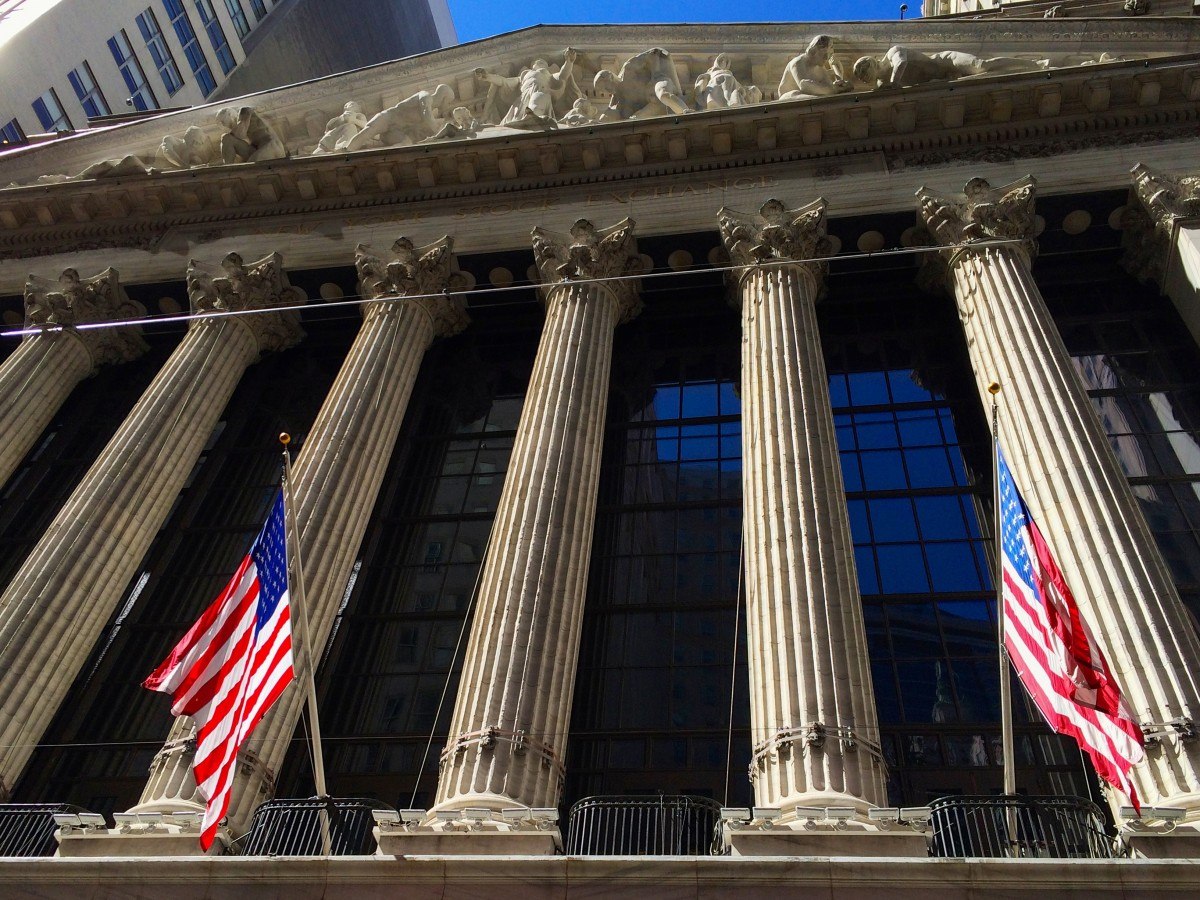
US equity markets closed the final trading day of the week in the red, the second day of losses in a row. For the most part, however, equities did finish the session off lows; the S&P 500 dropped as low as 3750 shortly after the US cash open, but managed to recover and close closer to 3770, down 0.7% on the day.
The Nasdaq 100 saw similar price action, dropping to lows around 12,760 but managing to close just above the 12800 level and closing with losses of also 0.7%. The Dow Jones Industrial Average, meanwhile, saw slightly more modest losses, dropping 0.6%, while the Russell 2000 shed 1.5%. All major indices set new weekly lows on Friday.
Risk-off
Friday saw quintessential risk-off trade; stocks, crude oil, industrial metals and risk-sensitive FX all fell while safe-haven bond markets and safe-haven currencies all rose.
Many reasons were cited as contributing to Friday’s move…
Profit-taking with equities still residing at historically stretched valuations. A “sell the fact” market reaction after incoming US President Joe Biden’s $1.9T stimulus plan announcement.
Fear that Biden might attempt to raise corporate taxes sooner than expected after sounding hawkish on the need for American’s to pay their fair share.
Concerns regarding the Biden administration's ability to actually get his stimulus plan, or at least substantial portions of it, through the Senate.
More bad US data, this time in the form of a much larger than expected drop in December retail sales volumes (which comes on the heels of bad weekly jobless claims numbers on Thursday and last week’s bad December NFP report).
Lockdowns in Europe (Italy announcing tougher restrictions and talk that Germany might be tightening soon as well), as well as European Pfizer vaccine delivery delays (as the pharma giant upgrades its European production facilities).
The outgoing Trump administration taking further parting shots at China with the Pentagon adding another nine Chinese companies to its blacklist (banning US investment in the companies).
Earnings
Pre-market earnings from three major US banks (JP Morgan, Wells Fargo and Citi) were in focus pre-market; JP Morgan (-1.9%) trades lower despite a strong earnings report, perhaps amid comments that it does not expect loan demand to rebound significantly in 2021. Citigroup (-6.3%) also trades in the read despite beating expectations in terms of EPS, perhaps due to disappointing revenue figures and a lower-than-expected share buy-back programme. Wells Fargo (-6.8%) also trades lower, after also posting disappointing revenue and signaling a lower-than-expected share buy-back programme. Earnings do not seem to have given broader equity markets much impetus to trade off of.
Author

Joel Frank
Independent Analyst
Joel Frank is an economics graduate from the University of Birmingham and has worked as a full-time financial market analyst since 2018, specialising in the coverage of how developments in the global economy impact financial asset