Wall Street Close: Five straight days in the green for the S&P 500 and Dow
- It was a solid day at the end of what has been a very solid week on Wall Street.
- The S&P 500 and Dow posted five days in the green in a row.
- The Nasdaq 100 and S&P 500 both hit fresh all-time highs on Friday.
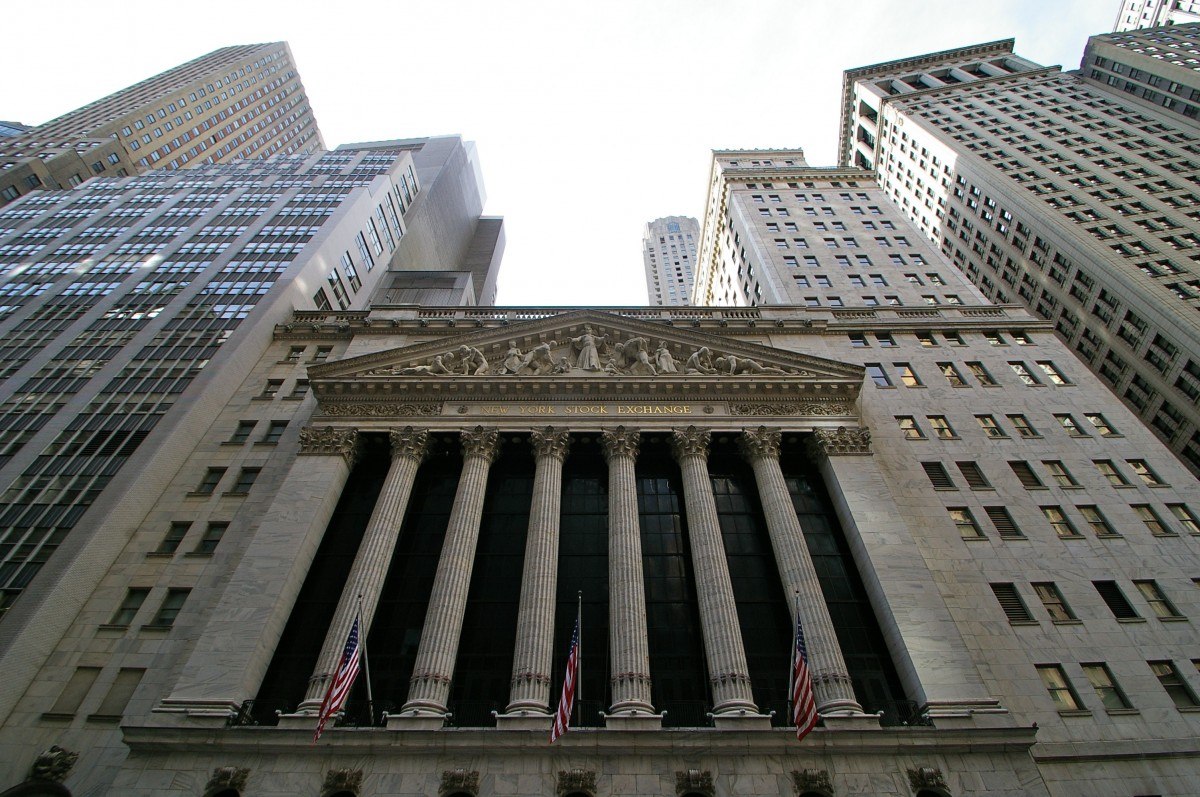
A solid day at the end of what has been a very solid week on Wall Street; the S&P 500 closed 0.41% higher on the day, ending the week with gains of 4.65%, the Dow closed the day with gains of 0.3%, ending the week with gains of 3.89% and the Nasdaq Composite closed the session up 0.53%, ending the week with gains of 6.01%. For the S&P 500 and Dow, that meant five straight sessions in the green, the longest winning streak for the indices since August 2020.
Elsewhere, the small-cap Russell 2000 also had a good day, finishing the session with gains on the day of 1.3% and on the week of 7.7%, the index’s best weekly gain since the start of June 2020. Moreover, five days of straight gains handed the index it’s longest winning streak since May 2020.
It’s been a stunning turnaround for US stock markets this week; US equities ended last week on a nervous note amid concerns regarding the surge in speculative retail investor activity in popular hedge fund shorted stocks such as GameStop and AMC. On the week, the S&P 500 lost more than 3.5%. But the major US equity indices have all more than made up for last week, with the S&P 500, the Nasdaq 100 and Russell 2000 all surging back to all-time highs. The Dow didn’t quite make it back to record levels but is only missed out by about 0.1%.
This week’s gains soothed investors' nerves about the potential for future volatility; the CBOE volatility index dropped again on Friday to just under 21.00, its lowest closing level since the start of December and the largest weekly drop for the index since the start of November.
Drivers this week
The fundamental backdrop became increasingly bullish as the week progressed; firstly, the US Congress is moving towards more fiscal stimulus. The Democrats will attempt to pass the new stimulus bill via a process called budget reconciliation and the votes to start this process have already passed the House and Senate. Markets do not expect US President Joe Biden to get his full $1.9T package through Congress, but they do expect something big (likely in the trillions of dollars). This will, of course, boost near-term economic activity, boosting company earnings and is likely also to boost inflation, meaning companies raising prices, which also leads to higher earnings (in nominal terms at least, which in fairness is what stocks are priced in).
For the most part, US data this week was strong and this seemed to also help stocks, though the US dollar (which could, but didn’t seem to, present an impediment to further stock gains). But that changed on Friday; the January NFP report underwhelmed, and the US dollar fell (which in itself is likely to be a US stock market positive). The data underscored the need for further fiscal stimulus to Congress, something President Biden was keen to emphasise, and is being seen as making a bigger package more likely. (hence why stocks loved it so much today).
Earnings have been another tailwind; Q4 earnings reports were expected to show a drop in profits but, net-net, US companies are on course to post earnings growth on the quarter, Reuters reported earlier in the week citing Refinitiv data. Tech giants Amazon, Google, Apple, Microsoft and Facebook all beat earnings expectations; “big business in America has learned how to manage through the COVID crisis” said Cherry Lane Investments partner Rick Meckler. “It's the small companies, the family-owned businesses, restaurants and some specific industries that have been badly hurt.”
News on the pandemic front has also for the most part been positive; Johnson & Johnson results were good and the company is applying for emergency use authorisation in the US. The Sputnik V vaccine was shown to be highly effective. Studies on the efficacy of the AstraZeneca vaccine show it significantly reduces transmission whilst also preventing patients from serious disease. More specifically to the US, the pandemic appears to be slowing down, whilst the country’s vaccination drive has been amping up.
Author

Joel Frank
Independent Analyst
Joel Frank is an economics graduate from the University of Birmingham and has worked as a full-time financial market analyst since 2018, specialising in the coverage of how developments in the global economy impact financial asset