|

USD/ZAR: Downside risks for the rand have eased – MUFG
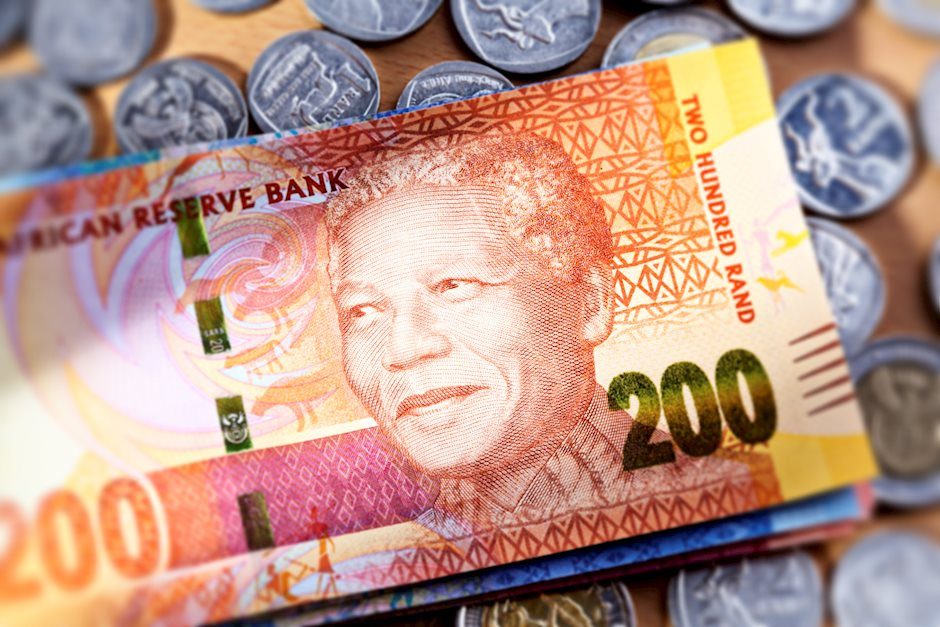
The South African rand has risen sharply during May against the US dollar. Analysts at MUFG Bank, argue domestic bond liquidation has slowed helping to ease downward pressure on the rand. They forecast USD/ZAR will reach 17.00 by the third quarter and 16.75 during the fourth. 

Key Quotes:

“The rand has finally rebounded against the US dollar alongside other hard hit emerging currencies such as the Mexican peso and Brazilian real. US dollar  weakness has broadened out. The reversal of lockdown measures and optimismover the search for a COVID-19 vaccine have helped to brighten the global growth outlook, and left the US dollar more vulnerable to aggressive Fed easing. The South African government announced its own plans to ease their strict lockdown further on 1st June.”

“The SARB expects the South African economy to contract even more sharply this year by -7.0% followed by a modest rebound of 3.8% in 2021. It has already prompted the SARB to lower their key policy rate to the lowest on record. The scope for further cuts appears more limited now.”

“The deterioration in the public finances already prompted Moody’s to strip South Africa of its last remaining investment grade rating, and subsequently their government bonds have been removed from the FTSE World government bond index. It triggered heavy capital outflows in March when foreign investors sold a net ZAR55.6 billion of South African bonds. The pace of outflows has since eased significantly to just ZAR4.8 billion in May as government bonds have since retraced all losses from March. In these circumstances, we expect the rand to strengthen modestly in the year ahead.”
 

Author

Matías Salord

Matías started in financial markets in 2008, after graduating in Economics. He was trained in chart analysis and then became an educator. He also studied Journalism. He started writing analyses for specialized websites before joining FXStreet.


More from Matías Salord
Share:

Editor's Picks

EUR/USD: US Dollar to remain pressured until uncertainty fog dissipates

Unimpressive European Central Bank left monetary policy unchanged for the fifth consecutive meeting. The United States first-tier employment and inflation data is scheduled for the second week of February. EUR/USD battles to remain afloat above 1.1800, sellers moving to the sidelines.

GBP/USD reclaims 1.3600 and above

GBP/USD reverses two straight days of losses, surpassing the key 1.3600 yardstick on Friday. Cable’s rebound comes as the Greenback slips away from two-week highs in response to some profit-taking mood and speculation of Fed rate cuts. In addition, hawkish comments from the BoE’s Pill are also collaborating with the quid’s improvement.

Gold: Volatility persists in commodity space

After losing more than 8% to end the previous week, Gold remained under heavy selling pressure on Monday and dropped toward $4,400. Although XAU/USD staged a decisive rebound afterward, it failed to stabilize above $5,000. The US economic calendar will feature Nonfarm Payrolls and Consumer Price Index data for January, which could influence the market pricing of the Federal Reserve’s policy outlook and impact Gold’s performance.

Week ahead: US NFP and CPI data to shake Fed cut bets, Japan election looms

US NFP and CPI data awaited after Warsh’s nomination as Fed chief. Yen traders lock gaze on Sunday’s snap election. UK and Eurozone Q4 GDP data also on the agenda. China CPI and PPI could reveal more weakness in domestic demand.

Three scenarios for Japanese Yen ahead of snap election

The latest polls point to a dominant win for the ruling bloc at the upcoming Japanese snap election. The larger Sanae Takaichi’s mandate, the more investors fear faster implementation of tax cuts and spending plans. 

XRP rally extends as modest ETF inflows support recovery

Ripple is accelerating its recovery, trading above $1.36 at the time of writing on Friday, as investors adjust their positions following a turbulent week in the broader crypto market. The remittance token is up over 21% from its intraday low of $1.12.












