USD/MXN retreats from 9-month highs; Mexican peso still under pressure
- Mexican peso recovered ground after yesterday’s sharp slide.
- Politics, US tax reform, and NAFTA negotiations continued to affect MXN.
- Depreciation forced extra hedge auction from Banxico.
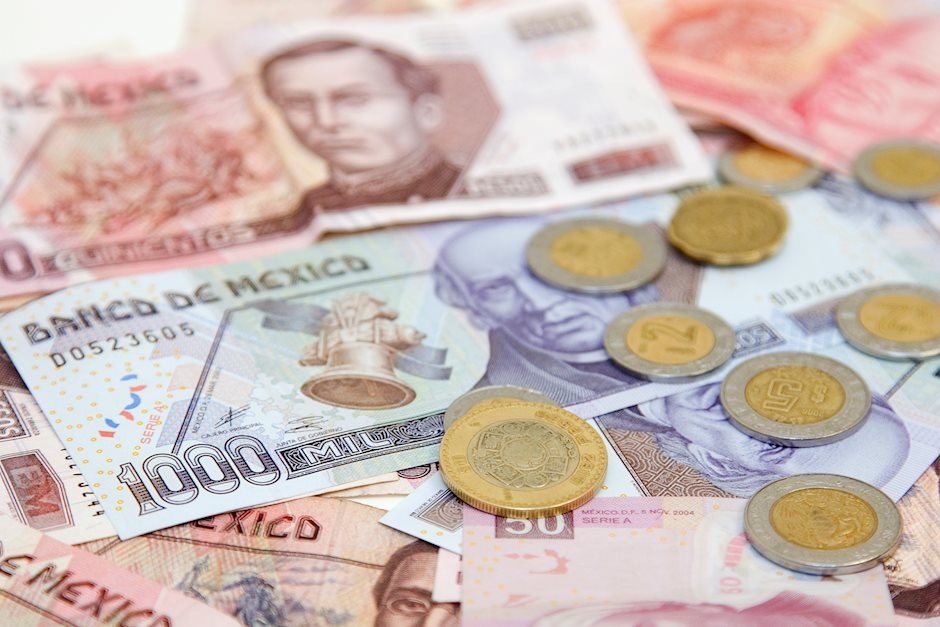

The USD/MXN pair reached yesterday 19.90, the highest level since March and today it is retreating toward the 19.70 area. The sharp slide of the peso created concerns at the Bank of Mexico. The central bank sold an addition $500 million in foreign exchange hedges yesterday to limit the US Dollar rally. Since the beginning of the month, USD/MXN rose 6.9%.
USD/MXN unstoppable eyes 20.00
Last week, USD/MXN broke above October and November highs (19.30) then jumped on top of 19.50 and yesterday moved closer to 20.00. Today it pulled back to 19.70 but the Mexican peso remains under pressure.
The extra auction from Banxico offered a short-lived relief yesterday. USD/MXN dropped to 19.55 but then rebound and ended at 19.87, the highest daily close since March 2.
Many factors are behind the current weakens seen in the peso. Concerns about inflation, the potential impact of the US tax reform, NAFTA renegotiations and domestic politics.
On the political arena, Mexico’s presidential election next July will continue to be a source of volatility. Last week a senior figure of the ruling party (PRI) was arrested on alleged illegal financing.
The changes in the US tax system could impact on Mexico and according to a media report, Mexico's finance ministry is considering to make fiscal changes to offset the potential negative effects.
Ongoing NAFTA negotiations are also another source of concern that could boost the USD in Mexico.
In the current environment, with inflation showing no strong signals of slowdown, Banxico is likely to face pressure to keep the benchmark interest rate at 7.25% or higher.
Author
Matías Salord
FXStreet
Matías started in financial markets in 2008, after graduating in Economics. He was trained in chart analysis and then became an educator. He also studied Journalism. He started writing analyses for specialized websites before joining FXStreet.