US Dollar Index whipsaws as markets grapple with a slowing Fed rate path
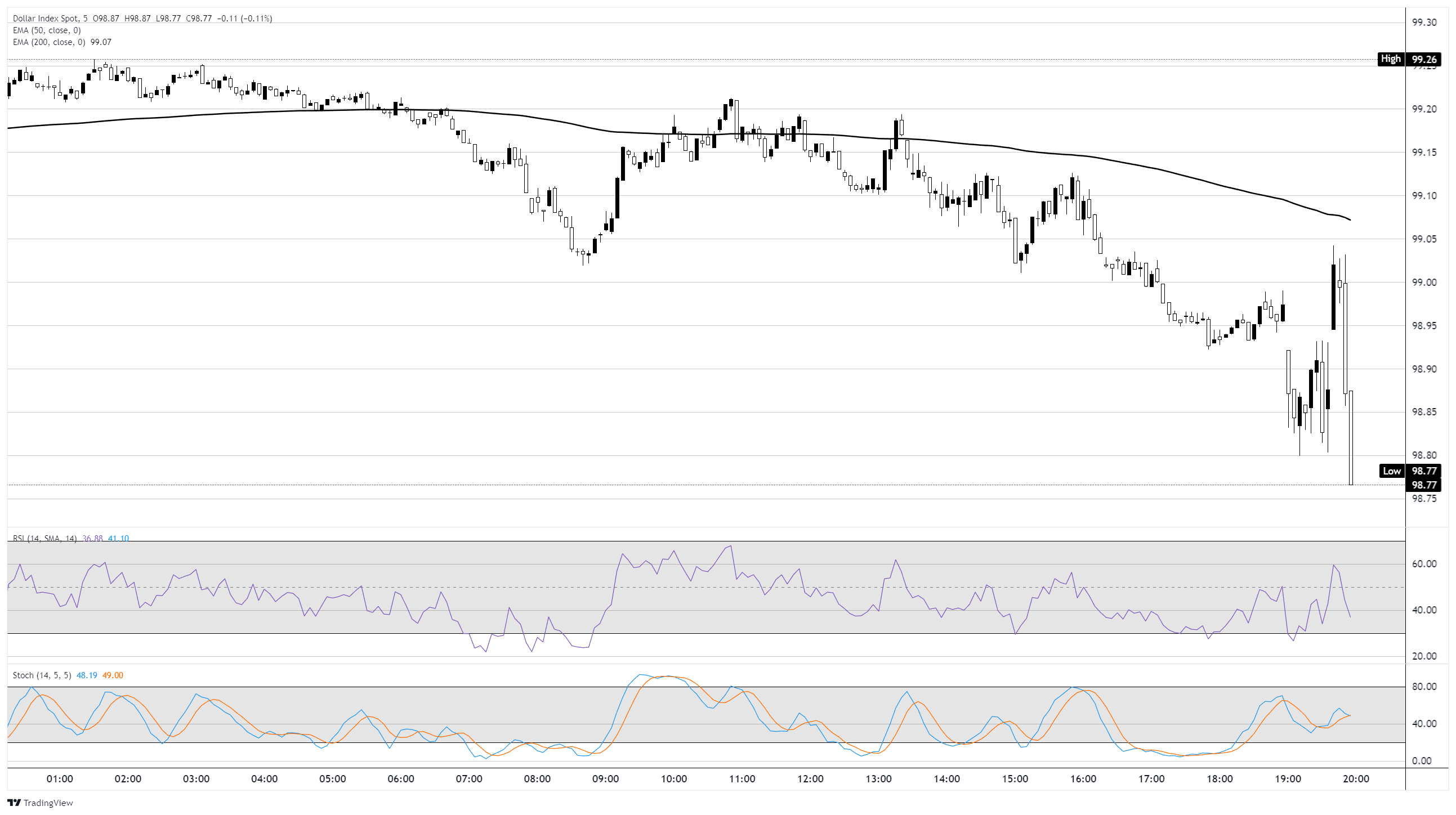
- The US Dollar Index caught a volatile leg lower on Wednesday after the Fed delivered a third straight rate cut.
- The FOMC has seen a sharp widening of policymaker expectations, but the rate outlook remains largely unchanged.

The US Dollar Index (DXY) tumbled to fresh intraday lows on Wednesday after the Federal Reserve (Fed) delivered a widely anticipated third straight interest rate cut, lowering its main policy rate to its lowest level in three years. Volatility widened sharply following the latest Fed rate decision as Greenback markets struggled to digest the Fed's latest trajectory.
Federal Reserve Chair Jerome Powell held a cautious press conference following the Fed's latest interest rate decision. He indicated that a third consecutive interest rate cut puts the Fed in a "comfortable" position to adopt a wait-and-see approach regarding additional data before making any definitive decisions on future rate changes.
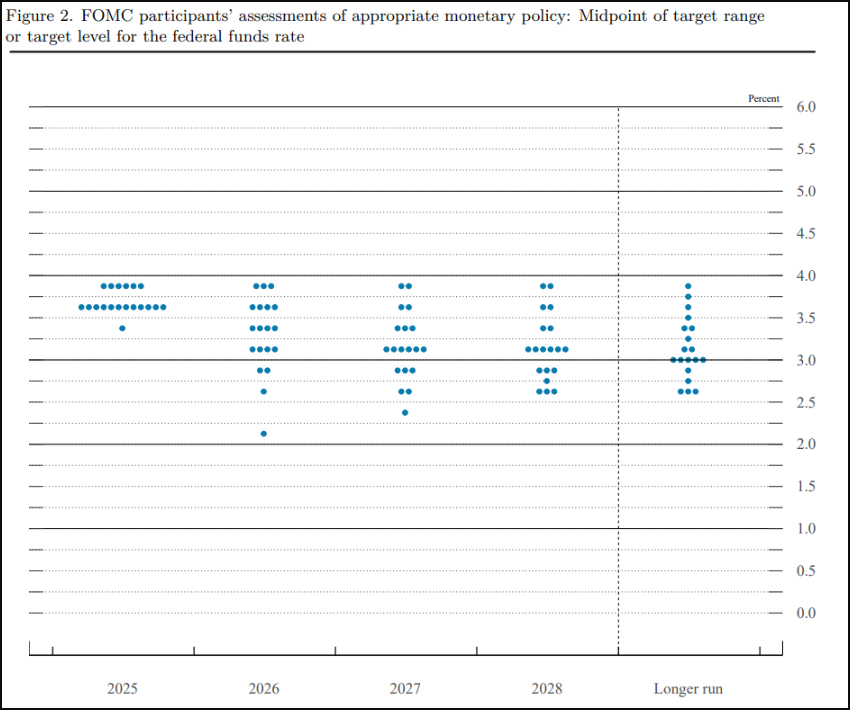
While the Fed's dot plot of interest rate expectations has broadened, the forecasts from the Federal Open Market Committee (FOMC) remain largely unchanged from the previous update. The median expectation among policymakers is for a single rate cut in 2026, followed by another reduction in 2027, before rates stabilize around their long-term level of approximately 3.0%.
The Federal Open Market Committee (FOMC) voted nine-to-three in favor of another quarter-point interest rate cut. One policymaker preferred a larger cut of 50 basis points, while two members opted for no cuts at all.
DXY 5-minute chart
Economic Indicator
Fed Interest Rate Decision
The Federal Reserve (Fed) deliberates on monetary policy and makes a decision on interest rates at eight pre-scheduled meetings per year. It has two mandates: to keep inflation at 2%, and to maintain full employment. Its main tool for achieving this is by setting interest rates – both at which it lends to banks and banks lend to each other. If it decides to hike rates, the US Dollar (USD) tends to strengthen as it attracts more foreign capital inflows. If it cuts rates, it tends to weaken the USD as capital drains out to countries offering higher returns. If rates are left unchanged, attention turns to the tone of the Federal Open Market Committee (FOMC) statement, and whether it is hawkish (expectant of higher future interest rates), or dovish (expectant of lower future rates).
Read more.Last release: Wed Dec 10, 2025 19:00
Frequency: Irregular
Actual: 3.75%
Consensus: 3.75%
Previous: 4%
Source: Federal Reserve
Interest rates FAQs
Interest rates are charged by financial institutions on loans to borrowers and are paid as interest to savers and depositors. They are influenced by base lending rates, which are set by central banks in response to changes in the economy. Central banks normally have a mandate to ensure price stability, which in most cases means targeting a core inflation rate of around 2%. If inflation falls below target the central bank may cut base lending rates, with a view to stimulating lending and boosting the economy. If inflation rises substantially above 2% it normally results in the central bank raising base lending rates in an attempt to lower inflation.
Higher interest rates generally help strengthen a country’s currency as they make it a more attractive place for global investors to park their money.
Higher interest rates overall weigh on the price of Gold because they increase the opportunity cost of holding Gold instead of investing in an interest-bearing asset or placing cash in the bank. If interest rates are high that usually pushes up the price of the US Dollar (USD), and since Gold is priced in Dollars, this has the effect of lowering the price of Gold.
The Fed funds rate is the overnight rate at which US banks lend to each other. It is the oft-quoted headline rate set by the Federal Reserve at its FOMC meetings. It is set as a range, for example 4.75%-5.00%, though the upper limit (in that case 5.00%) is the quoted figure. Market expectations for future Fed funds rate are tracked by the CME FedWatch tool, which shapes how many financial markets behave in anticipation of future Federal Reserve monetary policy decisions.
Author

Joshua Gibson
FXStreet
Joshua joins the FXStreet team as an Economics and Finance double major from Vancouver Island University with twelve years' experience as an independent trader focusing on technical analysis.