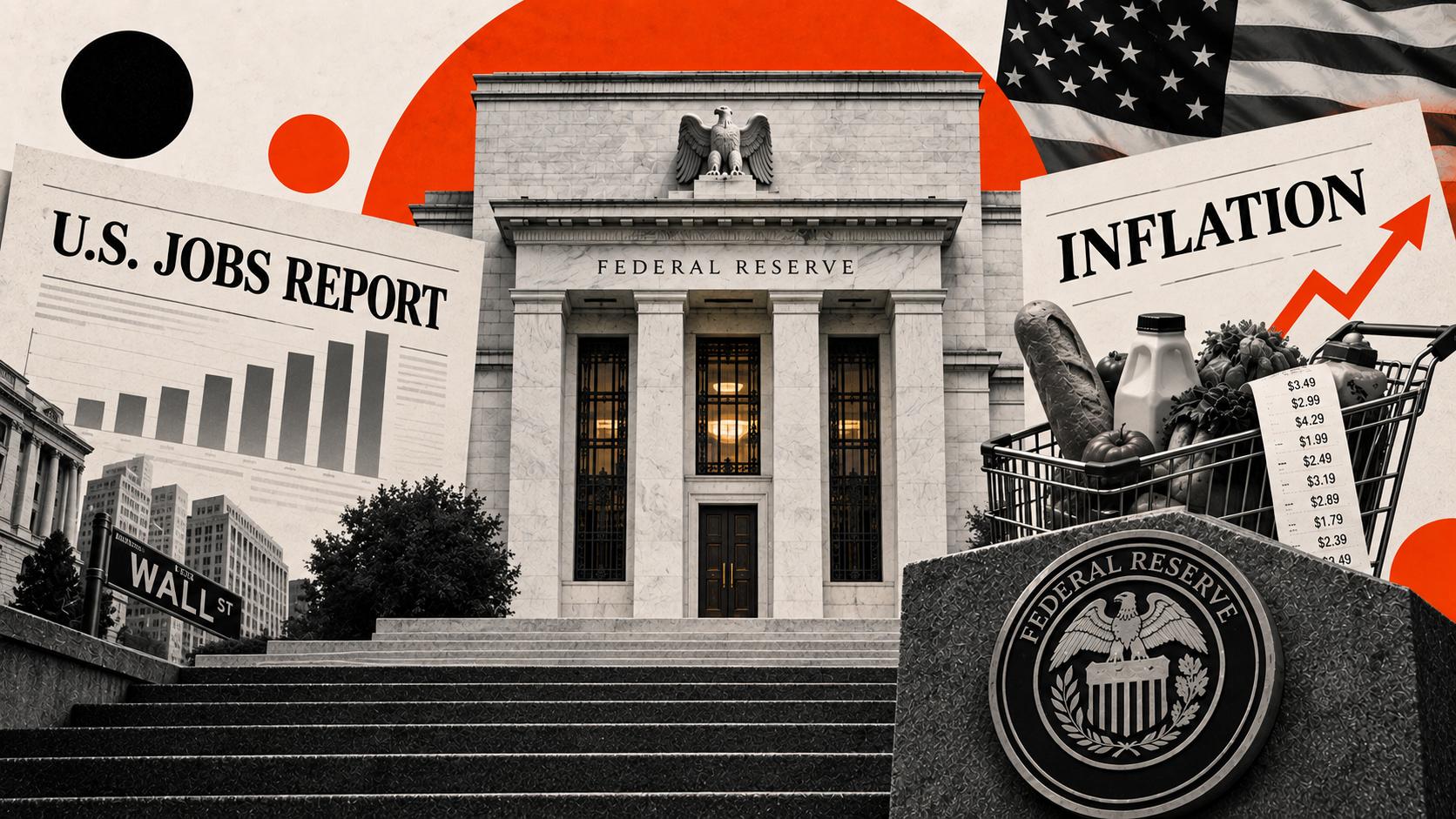
US Dollar Index rises to near 99.00 due to safe-haven demand, FOMC Meeting Minutes eyed
- US Dollar Index climbs as safe-haven demand increases amid the ongoing government shutdown.
- President Trump threatened mass layoffs of federal workers as prospects for resolving the situation fade.
- The CME FedWatch Tool indicates pricing in nearly a 95% odds of a 25-basis-point Fed rate cut in October.

The US Dollar Index (DXY), which measures the value of the US Dollar (USD) against six major currencies, is extending its gains for the third successive day and trading around 98.90 during the Asian hours on Wednesday. Federal Open Market Committee (FOMC) Minutes September’s policy meeting will be eyed later in the North American session.
The Greenback continues to draw support from the increased safe-haven demand, driven by the ongoing government shutdown, with President Donald Trump threatening mass federal worker layoffs as prospects for a resolution dim. However, Democrats insist it will not sway them in the increasingly bitter shutdown standoff.
However, the prevailing dovish sentiment surrounding the US Federal Reserve (Fed) policy outlook may put downward pressure on the USD. The CME FedWatch Tool suggests that markets are now pricing in nearly a 95% chance of a 25-basis-point Fed rate cut in October and an 83% possibility of another reduction in December.
Federal Reserve (Fed) Board of Governors member Stephen Miran expressed his belief on Tuesday that inflation itself is simply a cause of "population increases". Monetary policy needs to ease to get ahead of the shift down in the neutral rate, Miran added.
Minneapolis Fed President Neel Kashkari struck a more reserved tone than some of his Fed counterparts on Tuesday, cautioning that it's still too soon to be able to tell if tariff-led inflation will be "sticky" or not. However, Kashkari noted that he's particularly bullish on the labor market and is expecting a return to form for American job creation, which has sputtered recently.
US Dollar FAQs
The US Dollar (USD) is the official currency of the United States of America, and the ‘de facto’ currency of a significant number of other countries where it is found in circulation alongside local notes. It is the most heavily traded currency in the world, accounting for over 88% of all global foreign exchange turnover, or an average of $6.6 trillion in transactions per day, according to data from 2022. Following the second world war, the USD took over from the British Pound as the world’s reserve currency. For most of its history, the US Dollar was backed by Gold, until the Bretton Woods Agreement in 1971 when the Gold Standard went away.
The most important single factor impacting on the value of the US Dollar is monetary policy, which is shaped by the Federal Reserve (Fed). The Fed has two mandates: to achieve price stability (control inflation) and foster full employment. Its primary tool to achieve these two goals is by adjusting interest rates. When prices are rising too quickly and inflation is above the Fed’s 2% target, the Fed will raise rates, which helps the USD value. When inflation falls below 2% or the Unemployment Rate is too high, the Fed may lower interest rates, which weighs on the Greenback.
In extreme situations, the Federal Reserve can also print more Dollars and enact quantitative easing (QE). QE is the process by which the Fed substantially increases the flow of credit in a stuck financial system. It is a non-standard policy measure used when credit has dried up because banks will not lend to each other (out of the fear of counterparty default). It is a last resort when simply lowering interest rates is unlikely to achieve the necessary result. It was the Fed’s weapon of choice to combat the credit crunch that occurred during the Great Financial Crisis in 2008. It involves the Fed printing more Dollars and using them to buy US government bonds predominantly from financial institutions. QE usually leads to a weaker US Dollar.
Quantitative tightening (QT) is the reverse process whereby the Federal Reserve stops buying bonds from financial institutions and does not reinvest the principal from the bonds it holds maturing in new purchases. It is usually positive for the US Dollar.
Author

Akhtar Faruqui
FXStreet
Akhtar Faruqui is a Forex Analyst based in New Delhi, India. With a keen eye for market trends and a passion for dissecting complex financial dynamics, he is dedicated to delivering accurate and insightful Forex news and analysis.