Trump & Biden do little to impress during dueling town halls
The US President Donald Trump came across frustrated and defensive in Thursday night's town halls in lieu of the cancelled second US presidential debate.
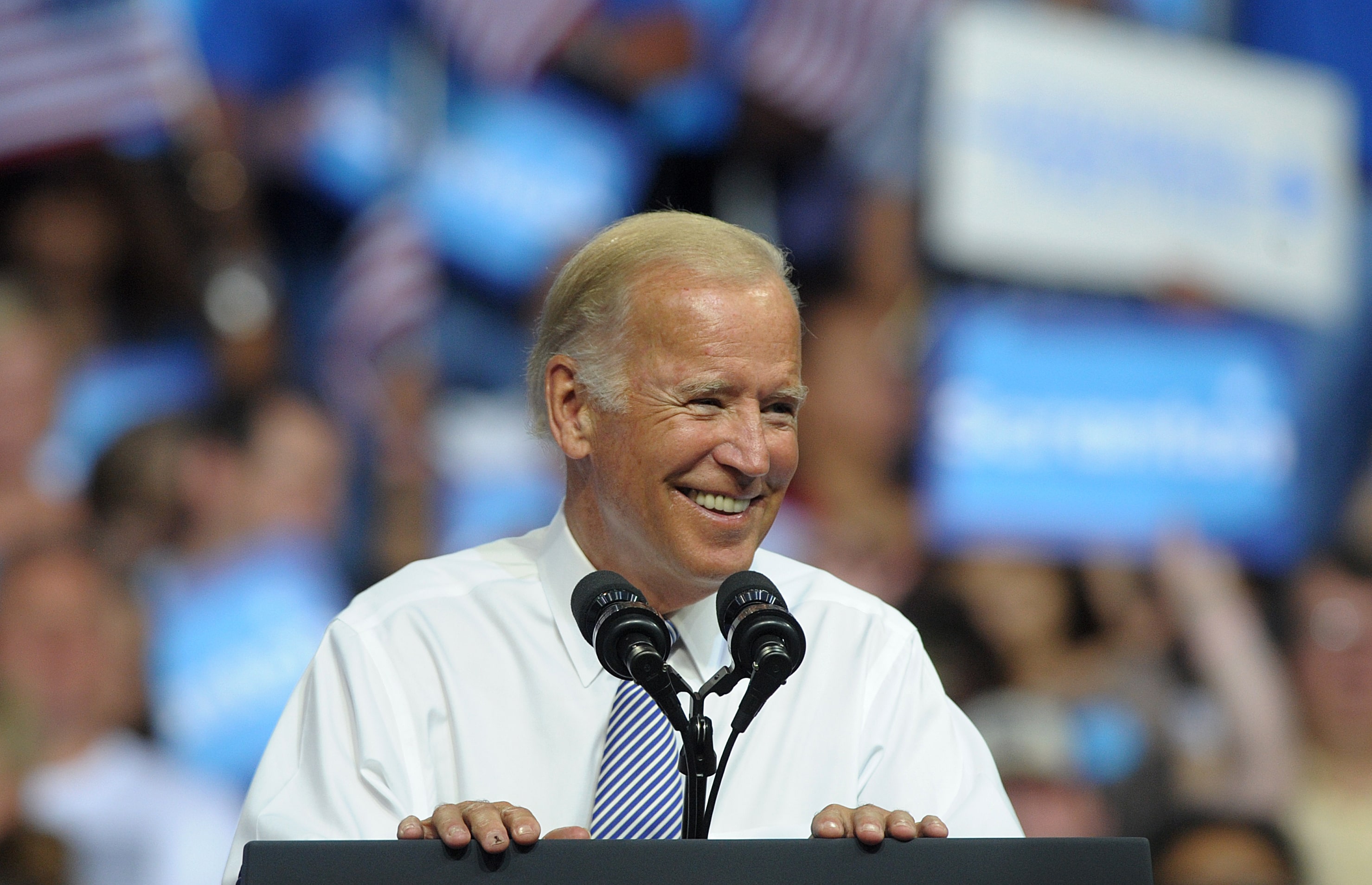
The Democratic nominee Joe Biden, meanwhile, did little to instil confidence, a touch nervous and dithery while doing his best to denounce the White House's handling of the virus.
Trump has proclaimed that the nation was turning the corner on the virus, despite having recently contracted the virus in recent times.
Trump was specifically asked whether he took a test the day of the Sept. 29 debate.
Trump didn't handle the direct question well, saying "possibly I did, possibly I didn't," which harmed his credibility.
The debate's rules required that each candidate, using the honour system, had tested negative prior to the Cleveland event.
Overall, it was the differences between how the two candidates carried themselves that media will push in the subsequent press on Friday.
The questions over the QAnon conspiracy group will be particularly damaging, as he complained about the question, seemingly uncomfortable and defensive.
On the stimulus, he was assertive and blaming House Speaker Nacy Pelosi but claimed that if he can get an agreement with her, the Republicans will agree to it.
As for tax, he was put on the spot but he said he has a very small percentage of debt (400 million dollars) compared to what he owns such as his real estate.
''I am extremely under levered''.
Meanwhile, in the blue corner, Biden was more passive and calm, charming the audience. However, he seemed nervous and less presidential.
The former vice president struggled with a stutter in his youth, and on the night, he seemed to stutter slightly at the beginning of the show. he even hard a handful of notes of prompts to help him through the night.
Biden was promising to roll back tax cuts for the wealthiest Americans claiming it would save, "let me see...$92 billion," he said.
Market implications
Either way, no matter who is elected, a large stimulus package is eventually to be agreed in Congress which will ultimately be needed to lift stocks.
Meanwhile, the US dollar is making a comeback as the uncertainty deters investors from taking on risk.
-637384085273024330.png)
Author

Ross J Burland
FXStreet
Ross J Burland, born in England, UK, is a sportsman at heart. He played Rugby and Judo for his county, Kent and the South East of England Rugby team.
















