|

Steel prices drop further on off-season demand and escalation lockdown fears in China

  • Steel prices have taken a hit on monsoon arrival and the return of lockdown worries in China.
  • Back-to-back resurgence in Covid-19 in China has dented the steel prices.
  • Next week’s US CPI figures will be crucial for steel and base metals.
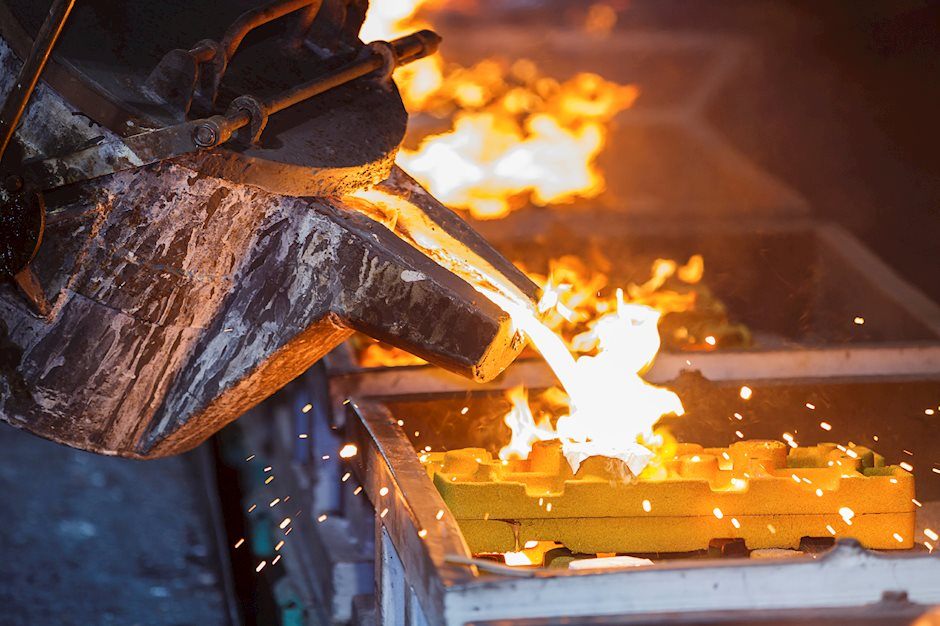
Steel prices are declining firmly as more downside catalysts are adding to the surrendered production by steel mill owners in China. Along with the finished steel, raw materials that inculcate coke and steel scrap have dropped significantly. Thanks to the slump in the demand due to traditional off-season and growing lockdown worries in China.

The monsoon has arrived in 14 provinces of China and some parts of Asia. This has forced the public and private sectors to halt the construction and infrastructure development process. The postponement of the construction activities has resulted in a significant drop in the demand for steel and other base metals too.

Apart from that, the Chinese economy is facing the headwinds of a resurgence of Covid-19 after growing figures of Covid-19 cases. The Chinese administration has ordered mass testing and the observation of the pandemic-affected rates is indicating that the adaptation of lockdown measures is imminent.

 The restrictions on the movement of the men, materials, and machines will reduce the production activities and henceforth the demand for steel. No doubt, the market participants are discounting these catalysts now and steel prices are facing severe heat.

Next week, the release of the US Consumer Price Index (CPI) will be significant for steel prices. A higher US inflation figure will compel the Federal Reserve (Fed) to tighten its policy further. This may result in a slump in the aggregate demand by the global economy.

Author

Sagar Dua

Sagar Dua

FXStreet

Sagar Dua is associated with the financial markets from his college days. Along with pursuing post-graduation in Commerce in 2014, he started his markets training with chart analysis.


More from Sagar Dua
Share:

Editor's Picks

GBP/USD loses momentum, flirts with 1.3200

GBP/USD is struggling to maintain its positive bias on Thursday, retreating toward the 1.3200 region in response to the pick in the buying interest around the Greenback. That said, Cable remains under scrutiny as cautious market sentiment keeps investors focused on the US-Iran conflict and political effervescence in the UK.

EUR/USD trims gains, challenges 1.1400

EUR/USD now gives away part of its earlier advance, receding toward the 1.1400 contention zone on Thursday. Meanwhile, the pair’s recovery comes amid extra losses in the US Dollar, at the time when while investors continue to monitor developments in the Middle East and sentiment surrounding global technology stocks.

Gold remains bid and close to $4,100

Gold accelerates its recovery and approaches the key $4,000 mark per troy ounce at the end of the week, adding to Thursday’s advance. However, expectations for a hawkish Fed remain steady and keep the yellow metal’s potential upside contained.

Crypto Today: Bitcoin at $60,000, Ethereum at $1,500, and XRP at $1 face a make-or-break test

Bitcoin (BTC), Ethereum (ETH), and Ripple (XRP) are trading in the red on Friday after three consecutive days of losses, testing their respective make-or-break support levels.

Week ahead – NFP report to challenge Dollar strength and the hawkish Fed

Dollar strength dominates markets, as the hawkish Fed overshadows geopolitics and lower oil prices. NFP week could drive September Fed hike expectations and boost market volatility. The euro lacks fresh bullish catalysts, all eyes on the preliminary inflation report and the ECB Forum.

Regime change: Inside Kevin Warsh's first move to make the Fed unreadable on purpose

The rate did not move. That was the least interesting thing about Kevin Warsh's first meeting in charge of the Fed. The FOMC held its benchmark at 3.50%-3.75% for the fourth straight meeting, exactly as priced, and then the new chair used his first press conference to dismantle the machinery the market has leaned on for a decade.